
Texas Eastern opens binding season for 2-bcfd Katy to Gillis natural gas pipeline expansion on the US Gulf Coast
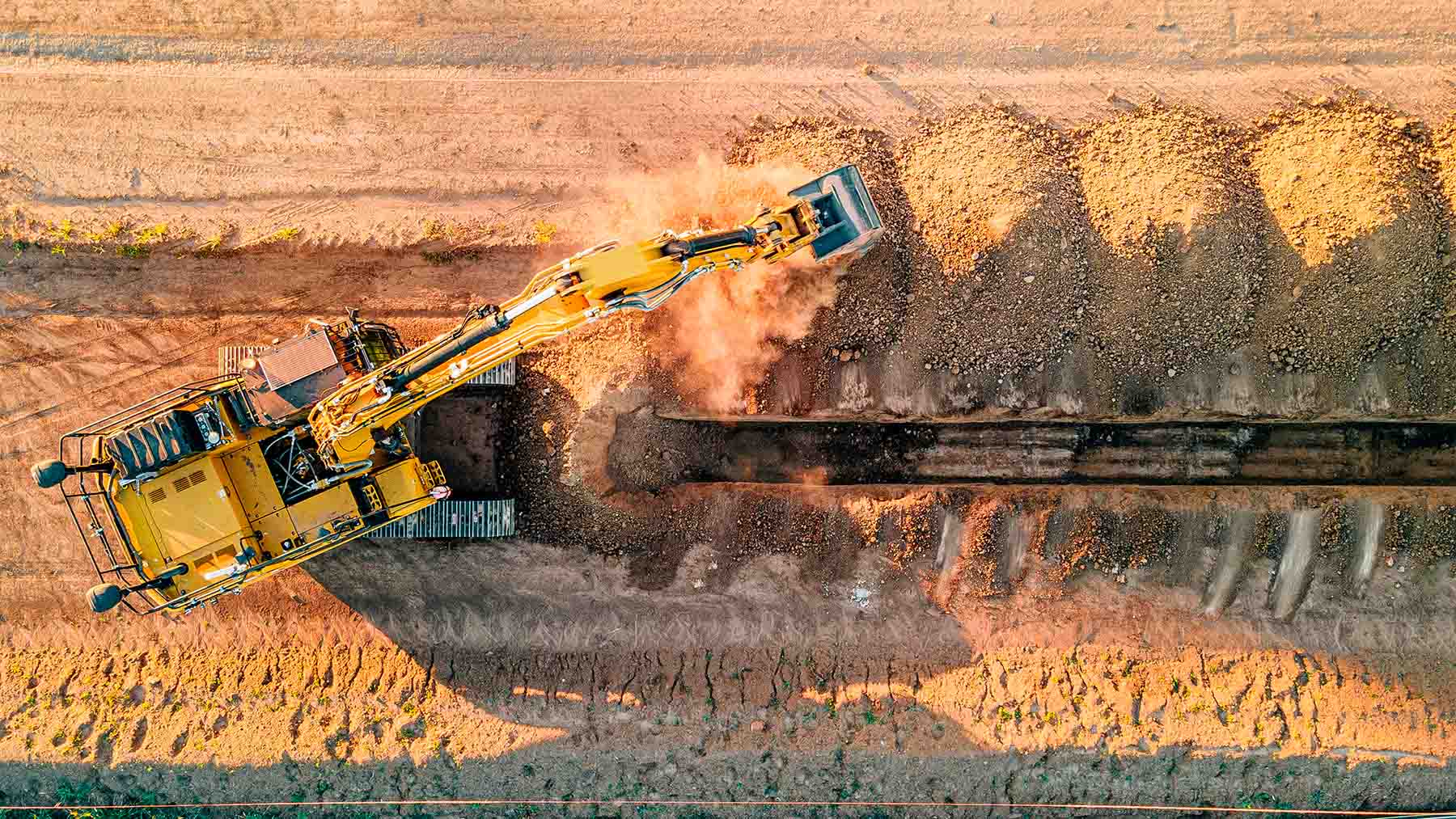
Texas Eastern Transmission just opened a non-binding open season for its proposed Katy to Gillis Expansion Project — a 2-billion-cubic-feet-per-day capacity addition running along the US Gulf Coast. The push comes from Enbridge Inc., Texas Eastern’s parent company, and it’s one of the more concrete steps toward growing one of the region’s key natural gas corridors.
Texas Eastern launches open season for Katy to Gillis expansion project
An open season is the formal tool pipeline companies use to test whether real market demand exists before committing to a major infrastructure build. By launching one, Texas Eastern is asking shippers to submit non-binding requests for service to assess market interest before formalizing commercial contracts, and a successful season gives the project the commercial footing it needs to move forward.
The Katy to Gillis Expansion Project would add 2 billion cubic feet per day of natural gas transportation capacity along the Gulf Coast corridor. That’s a significant volume — enough to supply tens of millions of homes — and it reflects the scale of demand Enbridge thinks is building in the region. This open season is the first formal step in turning that bet into an actual pipeline project.
The non-binding open season is the commercial starting point, and the level of shipper interest it attracts will shape everything that comes next.
Enbridge is sponsoring the initiative through its Texas Eastern Transmission subsidiary, signaling confidence that the Gulf Coast market can absorb this level of new capacity. Whether the open season confirms that confidence depends entirely on how shippers respond.
Why Enbridge is pursuing the expansion
The Gulf Coast natural gas market is under pressure — and from a pipeline operator’s perspective, that’s a good thing. Demand for gas transportation capacity in the region has been climbing steadily, pushed along by forces that don’t look like they’re slowing down anytime soon.
LNG export facilities are among the biggest drivers. Gulf Coast terminals need reliable, high-volume supplies of feed gas to keep liquefaction trains running. As more LNG projects come online or expand, the demand for pipeline access intensifies. A 2-bcfd expansion could meaningfully improve the supply picture for those facilities.
Petrochemical plants, refineries, and manufacturing facilities along the Gulf Coast have been expanding operations, and natural gas sits at the center of their energy and feedstock needs. For these customers, reliable pipeline access isn’t just convenient — it’s a basic business requirement. Electric power generation adds to that pressure, with gas-fired plants now a dominant electricity source across Texas and Louisiana. As the grid evolves, demand for flexible, dispatchable generation tends to grow with it.
The project is also designed to improve interconnection options along the corridor. Better interconnections give shippers more routing flexibility and give producers more ways to reach end markets — a practical benefit that adds real value beyond raw capacity numbers alone.
Anticipated effects on Gulf Coast energy infrastructure
If the project moves forward, the effects on Gulf Coast energy infrastructure could be substantial. LNG plants near Gillis, Louisiana, would gain improved access to gas supplies moving through the expanded pipeline, potentially easing supply constraints during periods of high export demand.
Industrial customers and power generators along the route stand to benefit from better supply reliability. When pipeline capacity gets tight, these users face higher costs or delivery uncertainty — additional capacity on the Texas Eastern system gives them more options and a meaningful buffer against market disruptions. New pipeline interconnections tied to the project could also improve grid flexibility more broadly, opening additional pathways for producers in supply basins feeding into the Katy Hub.
The open season outcome will be a key signal of the project’s viability. A strong shipper response would demonstrate enough commercial interest to justify moving toward a formal application with the Federal Energy Regulatory Commission, which oversees interstate natural gas pipeline projects. FERC review is a lengthy process, but a successful open season is what gets it started.
Background: Texas Eastern, Enbridge, and the Gulf Coast pipeline network
Texas Eastern Transmission is one of the major interstate natural gas pipeline operators in the US. It moves gas across a broad geographic footprint, connecting supply regions to demand centers along the Gulf Coast and into the northeastern US.
Enbridge Inc. is headquartered in Calgary, Canada, and ranks among North America’s largest energy infrastructure companies. Its portfolio spans pipelines, storage, and other midstream assets across the continent. The Katy to Gillis project fits squarely within Enbridge’s broader strategy of expanding capacity where market demand is growing — and the Gulf Coast corridor currently fits that description.
The Katy Hub in Texas is a well-established natural gas trading and transportation node, serving as a convergence point for multiple pipelines and playing a central role in Gulf Coast gas markets. That makes it a logical starting point for an expansion targeting downstream demand. Gillis, Louisiana, sits near several active and planned LNG export terminals — connecting these two points effectively links a major supply hub to one of the most active LNG export zones in the country, tracking closely where Gulf Coast gas demand is heading.
What to watch as the project develops
The Katy to Gillis Expansion Project is still in its early stages. The non-binding open season is the commercial starting point, and the level of shipper interest it attracts will shape everything that comes next. Strong commitments push the project toward FERC review. Weak interest could lead Enbridge to rethink the scope or timing.
The key facts are straightforward: Texas Eastern has launched a formal open season, the project proposes 2 bcfd of new Gulf Coast capacity, Enbridge is backing it, and the corridor connects two strategically critical points in the regional gas network. How the market responds will determine whether this expansion moves from proposal to pipeline.
Kelly is an experienced writer with 15 years of experience exploring the big stories that shape our world, from tech breakthroughs and space exploration to climate, energy, and the fascinating quirks of science. She has a talent for turning complex ideas into sharp, memorable insights that stay with readers long after they’ve finished reading.
