
Texas Governor orders audit of data center grid connection requests as ERCOT faces 474 GW demand backlog
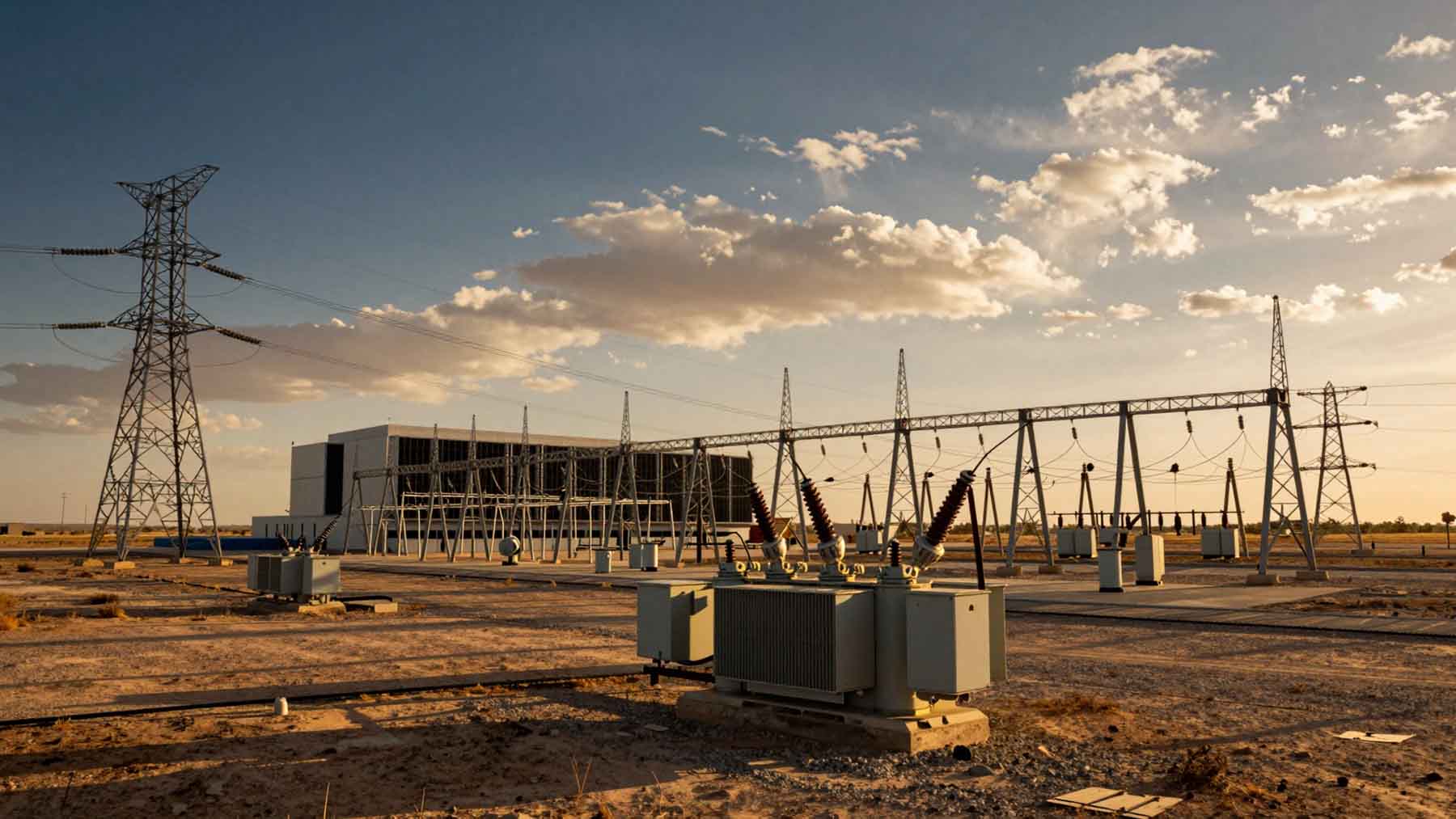 Image generated with artificial intelligence
Texas Governor Greg Abbott has ordered a comprehensive audit of data center projects seeking connection to the state’s electric grid, directing regulators to scrutinize every project advancing through ERCOT’s interconnection process. The review covers electricity demand and generation plans, water use, community impacts, and ownership information.
Projects that fail to meet the audit’s requirements could be denied grid access entirely.
Abbott directs audit of data center grid connection requests
Abbott’s directive puts every data center project in ERCOT’s interconnection queue under the microscope. Texas regulators are now working through each application one by one, checking whether projects actually meet the audit’s standards — a sweeping move that signals the state is done processing connection requests at face value.
Grid reliability has been front of mind in Texas since Winter Storm Uri in 2021, when widespread outages left millions of residents without power for days.
The stakes are real for developers. Any project that fails to comply could be denied grid access entirely. That’s not a minor paperwork issue — it’s a potential full stop for operations that may have already poured serious capital into Texas-based infrastructure.
Why the audit was ordered: record-breaking demand requests
The sheer scale of what’s sitting in ERCOT’s queue explains a lot. The grid operator is currently evaluating approximately 474 GW of requested new load — exceeding five times ERCOT’s all-time record peak demand. That’s not incremental growth by any measure.
According to the Office of the Texas Governor, roughly 90% of those requests are tied to data centers. That concentration raises serious questions about how realistic the pipeline actually is. Could the grid ever absorb that volume of demand, even under the most optimistic buildout scenarios?
Reliability is the core concern. ERCOT manages a largely isolated grid, which means it can’t easily pull power from neighboring systems when demand spikes. A queue this size — even if only a fraction of projects ever reach completion — creates enormous uncertainty for planners trying to keep the lights on across the state.
What the audit will examine and its immediate effects
The audit casts a wide net. Reviewers will look at each project’s electricity demand levels and generation plans, essentially asking whether applicants have a credible path to powering their operations. Water use and community impacts are also on the list, reflecting concerns that extend well beyond grid capacity alone.
Auditors will also examine what public incentives each project has received and who actually owns them. That ownership piece stands out — it suggests regulators want to know whether these requests represent genuine, near-term development plans or just speculative positions in the queue.
The review will have real consequences for ERCOT’s own operations. Officials have warned it may delay large-load interconnection studies, load forecasting, and reliability assessments while the process is underway. Slowing down the planning work that helps the grid prepare for future demand is a genuine trade-off — but one the state appears willing to make to get a clearer picture of what that demand actually looks like.
Background: Data center growth and Texas grid pressure
Texas didn’t end up here by accident. The state has actively courted data center investment for years, offering deregulated energy markets, abundant land, and favorable tax incentives that made it one of the most attractive destinations in the country for large-scale digital infrastructure.
The demand driving that investment is real and still growing. Expanding cloud computing platforms, AI infrastructure, and cryptocurrency mining operations all require enormous amounts of electricity — and they tend to run around the clock, creating a steady baseload draw rather than the variable demand patterns utilities are used to managing.
ERCOT’s grid operates under unique constraints. It’s one of the largest electric grids in the US, but also one of the most isolated, with limited interconnections to neighboring systems. That isolation has its advantages — it keeps Texas largely free from federal regulation — but it also means the state has less flexibility when demand surges unexpectedly.
Grid reliability has been front of mind in Texas since Winter Storm Uri in 2021, when widespread outages left millions of residents without power for days. The storm exposed deep vulnerabilities in the state’s energy infrastructure and put ERCOT under intense public and political scrutiny. Since then, the pressure to avoid another crisis has shaped nearly every major energy policy conversation in Austin.
The review will create delays
Abbott’s audit directive is a significant intervention in how Texas manages its energy future. ERCOT is sitting on 474 GW of pending load requests, the vast majority tied to data centers, and the state is now requiring every project to justify its place in the queue before moving forward.
Projects that can’t satisfy the audit’s requirements — covering demand, generation, water use, community impact, incentives, and ownership — risk losing grid access altogether. ERCOT has acknowledged the review will create some delays in its own planning and reliability work.
For data center developers, the message is pretty clear: Texas is still open for business, but it’s not processing applications on autopilot anymore. The state wants to know exactly what it’s agreeing to before committing grid capacity — and it’s willing to slow things down to find out.
Kelly is an experienced writer with 15 years of experience exploring the big stories that shape our world, from tech breakthroughs and space exploration to climate, energy, and the fascinating quirks of science. She has a talent for turning complex ideas into sharp, memorable insights that stay with readers long after they’ve finished reading.
