
TotalEnergies ships first LNG cargo from ECA LNG Phase 1 in Ensenada, Mexico to Asian markets
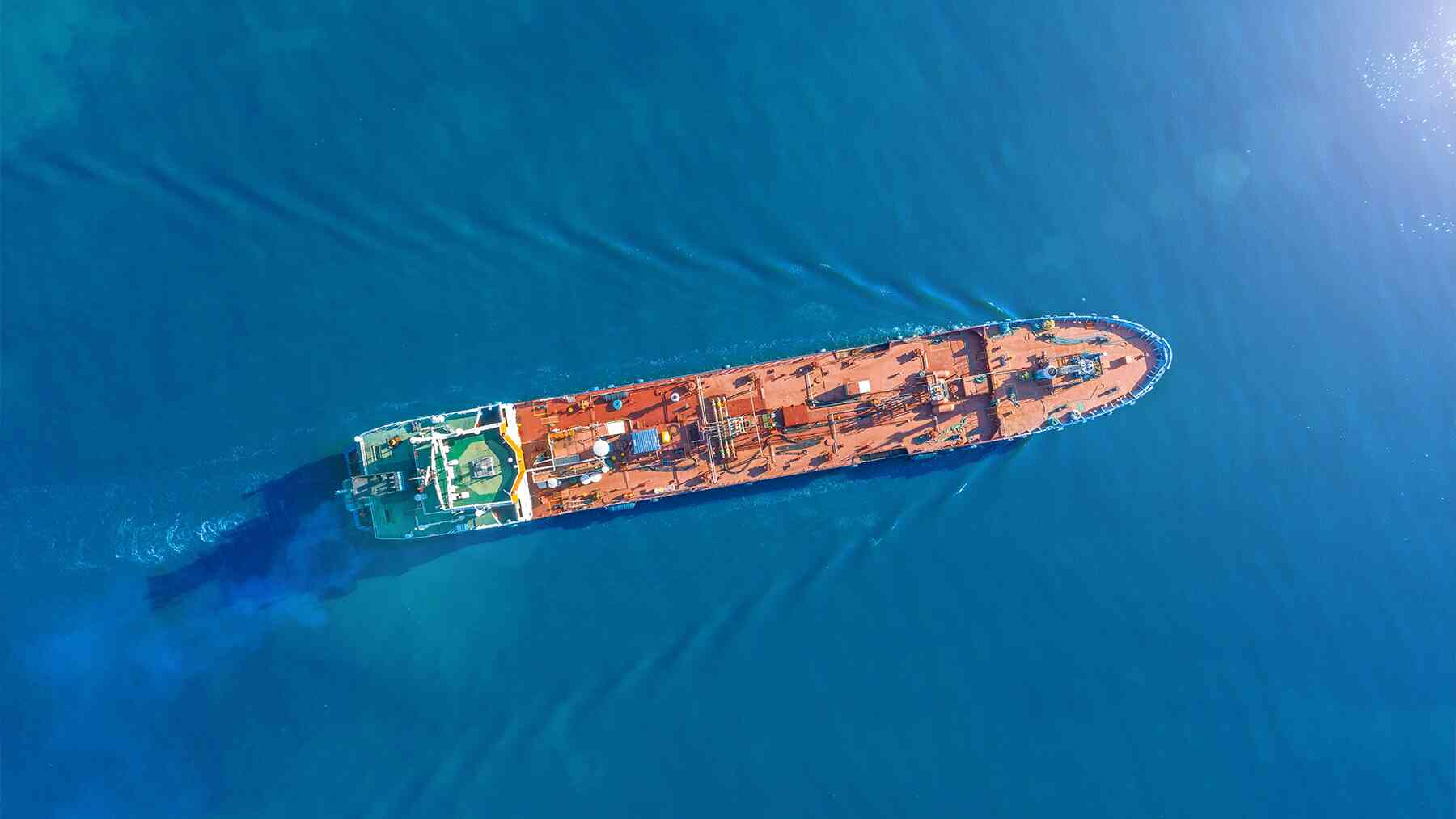 AI-made
TotalEnergies announced Thursday that it has shipped the first LNG cargo from the ECA LNG Phase 1 facility in Ensenada, Mexico — a joint venture with Sempra Infrastructure — bound for Asia. The departure marks the inaugural export from what is set to become the first LNG liquefaction facility on Mexico’s Pacific Coast.
The first cargo departs Ensenada for Asia
TotalEnergies confirmed on Thursday the shipment of the first LNG cargo from ECA LNG Phase 1, located in Ensenada, on Mexico’s Pacific Coast. The cargo is headed to Asia, and it’s a milestone for a project that’s been years in the making.
TotalEnergies holds a 16.6% stake in the facility alongside operator Sempra Infrastructure, a Houston-based subsidiary of utility holding company Sempra. Sempra handled day-to-day operations while the two companies developed the project together.
Sempra highlighted that distinction in its own statement, underscoring the project’s place in the broader history of North American LNG infrastructure.
The facility is still in its commissioning phase, and TotalEnergies is the sole offtaker of LNG during this ramp-up period—meaning it takes all output while the plant works toward full commercial operations.
Sempra Infrastructure CEO Justin Bird put the shipment in broader context. “At a time of increased uncertainty in the global LNG trade,” he said, “we are excited to begin shipping a new and reliable source of natural gas from North America’s Pacific Coast to customers around the globe.”
Why ECA LNG Phase 1 was built on Mexico’s Pacific Coast
The choice of Ensenada wasn’t accidental. ECA LNG Phase 1 processes U.S. natural gas sourced from the Permian Basin in Texas and New Mexico, one of the most prolific regions of production in North America.
Ships departing from Ensenada reach Asian markets via a significantly shorter route than vessels leaving from Gulf Coast terminals, which must transit the Panama Canal or sail around South America entirely. Both options add time and cost. TotalEnergies noted that the facility’s location “enables U.S. natural gas to be exported to Asia and other Pacific Basin markets via the shortest maritime route, reducing transportation times and costs” — and that geographic edge is central to the project’s commercial logic.
Phase 1 received its export authorization from the U.S. Department of Energy back in 2019. That authorization covers exports to countries with which the U.S. has a free trade agreement, plus a separate permit to re-export U.S.-sourced gas — in liquefied form — from the Mexican facility to non-FTA countries.
Offtake agreements and commercial operations timeline
Once ECA LNG Phase 1 enters commercial operations, TotalEnergies will offtake 1.7 million tons per year of LNG for 20 years. Japan’s Mitsui & Co. is also in the picture. Together, the two companies hold a combined offtake of 2.5 million metric tons per annum (MMtpa) for 20 years from Phase 1. The facility has a nameplate capacity of 3.25 MMtpa from a single train, so TotalEnergies and Mitsui account for most of that output.
Substantial completion is expected in summer 2026, with long-term sales agreements kicking in shortly after commercial operations begin. The clock on those 20-year contracts hasn’t started yet.
That distinction matters. Current shipments are happening during commissioning — not under the long-term commercial framework. TotalEnergies is absorbing all output now, with the formal offtake structure taking effect once the facility clears its final milestones.
Background: ECA LNG Phase 2 and broader project context
Sempra Infrastructure announced the start of production last month but was clear that commercial operations were still months away. That gap between “production start” and “commercial operations” is normal for LNG facilities—commissioning involves extensive testing before a plant is declared fully operational.
Once it clears that threshold, ECA LNG Phase 1 will officially become the first LNG liquefaction facility on Mexico’s Pacific Coast. Sempra highlighted that distinction in its own statement, underscoring the project’s place in the broader history of North American LNG infrastructure.
A larger expansion is already under development at the same Ensenada site. Phase 2 would consist of two trains and one LNG storage tank, with approximately 12 MMtpa of export capacity—nearly four times what Phase 1 can handle. It also holds DOE authorization to re-export U.S.-sourced gas to non-FTA countries, a permit Sempra Infrastructure announced in December 2022. TotalEnergies noted the second phase is “under development,” though no completion timeline has been publicly confirmed.
A beneficial Pacific Coast location
Here’s where things stand: TotalEnergies has shipped the first LNG cargo from ECA LNG Phase 1 in Ensenada, Mexico, destined for Asia. The facility remains in commissioning, with TotalEnergies acting as the sole offtaker during the ramp-up.
The project is a joint venture between TotalEnergies (16.6% stake) and operator Sempra Infrastructure, processing Permian Basin gas and benefiting from a Pacific Coast location that offers the shortest maritime route to Asian markets. Substantial completion is targeted for summer 2026.
Once commercial operations begin, long-term offtake agreements with TotalEnergies and Mitsui—totaling 2.5 MMtpa over 20 years—will take effect. Phase 2, carrying roughly 12 MMtpa of capacity, is also in development at the same site.
Kelly is an experienced writer with 15 years of experience exploring the big stories that shape our world, from tech breakthroughs and space exploration to climate, energy, and the fascinating quirks of science. She has a talent for turning complex ideas into sharp, memorable insights that stay with readers long after they’ve finished reading.
