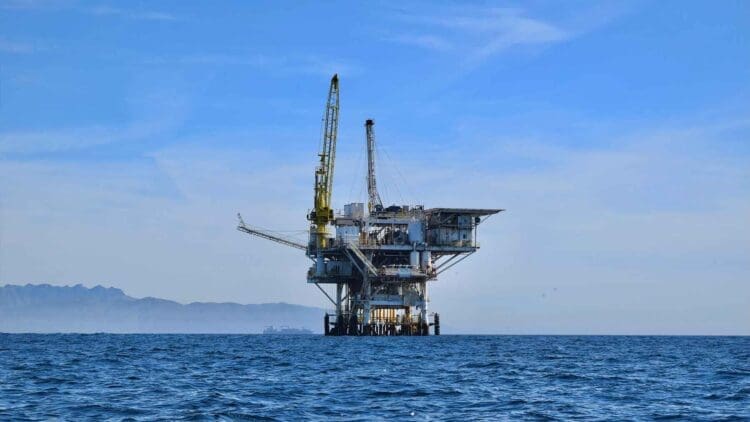

It is clear that there is an increasing level of uncertainty facing the United States’ energy sector. Many stakeholders and community members are asking questions regarding the viability of developing new sources of energy, such as offshore systems. Stakeholders are carefully watching to see which new sources of energy will come online and what implications those decisions will have on the nation’s economy and the environment.
Industry trends and strategic assessments
TotalEnergies’ recent review reflects larger trends in the U.S. energy sector. Companies across the U.S. are evaluating their long-term strategies due to the pressure placed upon them from the rising operating costs associated with producing traditional oil and natural gas.
Additionally, the current favorable policies within the energy sector are causing companies to evaluate their options when it comes to investing in renewable sources of energy. Analysts and stakeholders are paying close attention to these developments because they will likely impact how energy producers meet demands through the use of both conventional sources of fuel and renewable energy.



Local economies impacted by new energy production projects are dealing with issues related to employment opportunities, investment capital, and environmental impacts.
Residents living in areas where coastal and/or inland-based energy infrastructure currently exists are concerned about possible changes resulting from delays or cancellations of certain energy-related projects. Overall, the uncertainty has created a climate of caution amongst both residents and investors awaiting definitive action.
Impacts on regional economies
Regions that already host or plan to support energy production activities will experience significant impacts. Whether you live in a fishing town, an industrial hub, or a suburban area, investment shifts potentially affecting your local way of life are impacting regional economies.
Environmental organizations have expressed concern for both short- and long-term effects related to both present-day and future operations. Organizations emphasize monitoring and sustainability aspects.
Although environmental concerns exist, energy companies still need to contend with multiple layers of complexity. Meeting energy reliability expectations, reducing costs to consumers, and meeting operational obligations create tension around environmental commitment. These competing factors have led to discussions about priority setting for both companies and community members, resulting in more unanswered questions for local communities.
Uncertainty has generated requests for clearer communication from local government officials as well as from federal agencies. Businesses remain cautious with regard to making new investments. Residents remain fearful regarding potential job loss and/or environmental hazards. Ultimately, the shared concern exhibited by local communities highlights how broad-based energy decision-making can have far-reaching effects on daily life.
Gulf and shale focus (TotalEnergies)
The above-referenced review has resulted in defined actions. TotalEnergies has decided to decrease investment in several offshore wind projects while increasing investment in offshore Gulf project operations and shale production. According to the Department of the Interior, the intent behind this decision is to lower costs for American consumers while ensuring continued domestic energy production. By concentrating on projects that produce predictable returns using existing infrastructure, operational risk is reduced for both investors and communities.
Although TotalEnergies’ focus away from renewable projects prompts environmental advocates to voice concerns regarding slowed progress toward achieving renewable energy goals, having more manageable projects allows for enhanced monitoring and more efficient energy production.
Industry observers believe this move could redefine how international energy firms approach the U.S. market. Energy companies may begin to prioritize cost-effective, reliable projects. Federal policymakers may then follow suit. TotalEnergies’ decision-making process may establish a precedent for future investment strategies throughout the energy sector.
TotalEnergies’ decision provides insight into the inherent challenge faced by energy companies today – finding a balance between economic practicality and environmental responsibility. All parties involved, including community members, investors, and policymakers, will monitor how TotalEnergies’ decision-making processes evolve going forward.