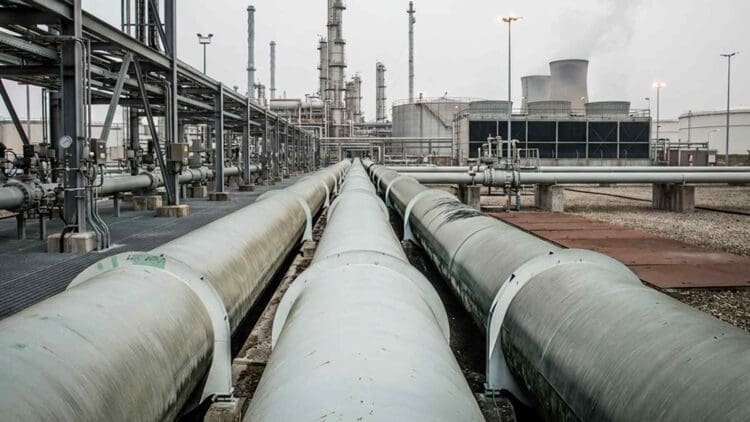

Mid-project adjustments are rare. One exception is taking place in the Southwest – an indication of how fast demand is outpacing forecasts. The expansion of the Transwestern Desert Southwest pipeline project is drawing attention again as a result of the change, so the questions now include: What external or internal pressures are causing this rapid adjustment?
A pipeline is racing to grow at a pace consistent with the area surrounding it
The original Desert Southwest expansion was intended to add natural gas transportation capabilities from the Permian Basin to both Arizona and New Mexico. Both states are growing rapidly due to increased populations and electrical load increases. An open season confirmed that there was sufficient demand for at least 1.5 billion cubic feet per day (Bcf/d) of new takeaway capacity to support the original project design and projected in-service date of late 2029.
The region’s growth rate is accelerating instead of leveling off
Population increases, increased peak cooling demand due to extended periods of extreme heat, and increasing data center activity are all creating additional burdens on the utility resource plans in the region. These elements combined created “additional customer demand” sufficient enough for Energy Transfer to alter the base pipe diameter of the project — changing the original specifications of the project.


This is not a response to a surge in growth alone — it is proof that the region’s energy infrastructure is moving toward a new era of growth, where the previous capacity assumptions do not apply.
Why the upgrade now requires an upgrade of its own
Energy Transfer will be increasing the diameter of the original 42-inch pipeline to 48 inches to accommodate the new commitments made subsequent to the most recent open season. Increasing the diameter of the pipeline has changed the size of the project, allowing the potential capacity to be increased to as high as 2.3 Bcf/d, pending the final compression design configuration. This represents a substantial increase of approximately 1 billion cubic feet per day.
The financial commitment of the project is also expanding along with the engineering scope. Energy Transfer now estimates the project costs to be approximately $5.6 billion (AFUDC excluded), which is estimated to increase their 2026 Growth Capital Spending by approximately $200 million. Although larger capital expenditures may seem to present riskier investment opportunities, the company believes that the larger pipeline is a more cost-effective approach to meeting long-term demand as opposed to potentially revisiting the design in the future.
Major utilities and cooperative companies in the region, including APS, SRP, and AZ G & T Cooperative, have publicly expressed their support for the expansion. As part of their public statements, these companies emphasized the importance of maintaining the reliability and affordability of electric generation through the use of natural gas during a time of increasing electric power requirements.
How the strategy is beginning to come together
The reasoning behind the redesign is becoming clearer: By having a larger, more robust mainline, Energy Transfer can secure current customer commitments now while utilizing existing Transwestern corridors and operational experience.
Simply stated, the company can provide more gas from the Permian Basin to Arizona and New Mexico using the existing Transwestern pipelines without the need for constructing an entirely new Greenfield Project — providing a significant strategic benefit.
Energy Transfer still anticipates the expanded pipeline will begin operations in Q4 2029 — allowing the utility planners’ horizons to remain intact, while preserving the confidence of the marketplace. It appears that for the Southwest’s grid, this project is becoming more than just incremental — it is becoming a foundation of the grid. By increasing the scope of the Desert Southwest pipeline upgrade, Energy Transfer is making sure the region’s infrastructure matches the sustained and structural growth of the region.