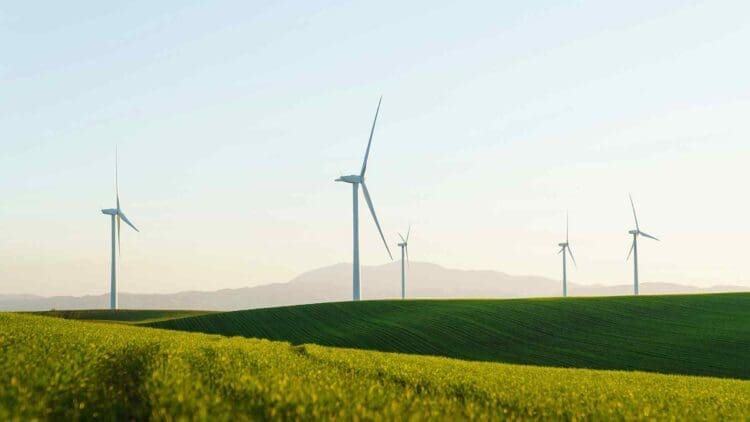

African nations often go under the radar when it comes to energy projects whereas economically advanced countries have the most spotlight shone on them. Nonetheless, the African continent is also on a quest to generate cleaner energy. Hydropower is the most common clean energy in Africa, but solar energy is the fastest growing considering the amount of heat that is in so many nations. Tunisia has decided to pursue a different energy development after signing a long-duration power agreement for a new 75 MW onshore wind facility.
Tunisia signs a monumental agreement for a 75 MW onshore wind facility
The general feeling after news broke of Tunisia’s new venture was excitement from the general public as they are set to benefit massively from a reliable form of electricity. However, energy enthusiasts were quick to investigate the strategic thinking that went into the long term deal. In yet another display of 2026 getting off to a flying start, on 23 January 2026, Scatec ASA made official a 25-year PPA with Tunisia’s national electricity utility, Société Tunisienne de l’Électricité et du Gaz (STEG), for the construction, operation, and power delivery of a 75 MW onshore wind facility.
This particular agreement was awarded through a government tender that is specifically focused on amplifying the usage of renewable energy in Tunisia. Whenever the government is involved in developments, this is a massive positive for any nation because it means that there is greater assurance of the project reaching fruition without any significant obstacles. The agreement is particularly groundbreaking because it is Scatec’s first wind project in Tunisia showing the corporation’s intentions of diversifying Tunisia’s energy portfolio.

The El Fahs wind project: Scatec’s ploy to increase its presence in Tunisia
When large-scale contracts occur, many people tend to believe that it is only the country that stands to benefit but in actuality, companies also have the opportunity of elevating their brand and establishing themselves as powerhouses in the industry. According to Scatec CEO Terje Pilskog:
“The El Fahs wind project is a strategic milestone as we expand our presence in Tunisia and partnership with Aeolus, while broadening our technology footprint. With a strong partner, high-quality wind resources, and long-term contracted revenues, this project reinforces our ability to grow profitably in attractive markets like Tunisia.”
Further unpacking the Investment and partnerships in the El Fahs development
The primary reason why corporations collaborate in large scale initiatives is to share the risks and the finances that are required which individual companies would rather not pursue alone. The El Fahs wind farm will be established in partnership with Aeolus SAS, a subsidiary of the Toyota Tsusho Group. As such, Scatec and Aeolus will possess a 50 % stake in the project’s development. The two companies’ collaboration will be essential considering that the entire capital expenditure is estimated at €100 million (US$135.720 million).
Understanding the imminent impacts of Tunisia’s offshore wind facility
One of the most positive impacts that the wind farm will have is stimulating Tunisia’s local economy. For instance, the construction phase will create jobs, demand for equipment and services. Once the farm is fully operational, people will have the opportunity to receive much more technical jobs. The 25-year-old agreement is significant because it permits careful long-term financial planning and integration of renewables into the electricity grid.
When a company like Scatec pursues its first of a specific type of initiative, it is bound to receive a lot of eyes and attention fixated on it because people are eager to learn how the development will pan out. The El Fahs wind farm will be carefully assessed when it comes to developments that are coming up in Africa and it will be compared to the 2026 developments in other nations.