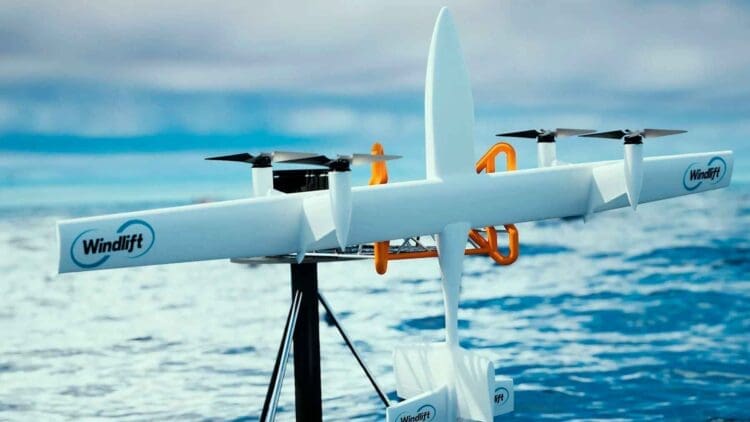

Somewhere high up in the sky, a new turbine innovation is leaving its mark with its lucky number eight.
It is unique, powerful, and has proven to provide a tactical edge, securing interest from the Department of Defense.
In a world where green is the new black, there is pressure to perform sustainably, but general support is lacking.

Where other designs tend to fall short, could this concept truly take off worldwide?
How fossil fuels are no longer trending in the modern world
Trends may come and go, but if approached correctly, a green legacy could last forever.
Many moons ago, fossil fuels emerged as the “new black” in the industrial era. These sources served the world at the height of urban expansion and the beginning of modern travel.
As nations developed and progressed, they became the ultimate symbol of transformation. Nothing else was as reliable or powerful enough to drive mankind into a fast-paced future.
However, this trend started costing humanity the thing most dear to it: the planet.
The “new black” became too literal, pushing Earth into a dark cloud of greenhouse gas emissions. It is now clearer than ever before that these “statement pieces” were simply too much.
Unfortunately, the damage has already been done, and now it is time to face the music.
At least designers are now realizing that lighter, sustainable designs are the way to stay relevant.
Bringing renewable energy designs up to global taste
Researchers and engineers have been actively working to deliver innovative technologies to lower carbon emissions.
As renewable energy has moved past its reputation as a niche choice, capacity reached record highs. More than 30% of global power production can now be attributed to wind and solar installations.
Over the past decade, wind power capacity has doubled in the U.S., proving this trend has gone viral.
However, thanks to digitalization and unlimited access to information on the internet, the whole world is suddenly a critic.
For some, traditional renewable designs, like wind turbines, are not to their taste. They are simply not aesthetically appealing, are way too big and loud, and the costly production is too resource and energy-intensive.
Fortunately, a North Carolina-based tech company has taken the time to create a more refined turbine design. Will it be enough to stay relevant in an age where green trends are highly competitive?
The turbine concept that is soaring above its competitors
Wind energy has always been traditionally bound to Earth, but experts have been experimenting with flying wind power.
Among these pioneers is the company Windlift. Its turbine design is called the Airborne Power Generation (APG) system.
The secret to high-flying wind energy efficiency
Unlike its heavy, bulky counterparts, this system utilizes a drone with propellers on its wings.
It flies in a figure-eight pattern at heights between 400 and 1,000 feet, benefiting from higher wind speeds. The generated power is transmitted with a heavy-duty tether to a mobile ground station.
A drone with a 12-foot wingspan produces enough daily electricity to power an average American home.
Additionally, it promotes the “less is more” philosophy. The design uses 90% less material, can become operational within 30 minutes, and has minimal land and visual impact.
The Department of Defense invested in the technology to provide soldiers easy access to mobile, green power in the field. It also serves a dual purpose in military tactics by keeping a lookout high in the sky.
The silent, sustainable APG system is thus also useful for surveillance and communications for security and disaster zones.
Wind innovation has certainly taken flight, and could finally ensure that renewable designs are up to global taste.
Disclaimer: Our coverage of events affecting companies is purely informative and descriptive. Under no circumstances does it seek to promote an opinion or create a trend, nor can it be taken as investment advice or a recommendation of any kind.