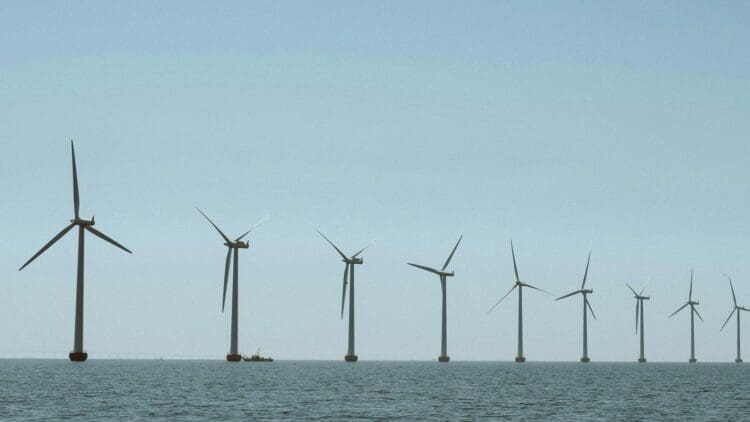

It seemed as though the controversy surrounding the United States’ wind energy initiatives had come to a stop. However, the recent events demonstrate that the nation is still in the middle of stabilizing the wind sector. Nevertheless, there have been groundbreaking initiatives in 2026 that convey that the U.S. is still committed to being one of the leading wind energy-producing nations, and interestingly, it still managed to remain second-ranked amidst the period of uncertainty. It has recently been made public that U.S. Federal Authorities concluded the cancellation process for offshore wind lease areas in New York and Carolina Long Bay.
The United States wind energy sector continues to face major obstacles
When the Trump Administration returned to power, it immediately sent shockwaves in the energy industry after suspending multiple wind energy initiatives, such as Sunrise Wind, in the latter part of 2025. However, as court proceedings unfolded, the majority of the judges involved were of the belief that the initiatives should proceed, considering how much the companies had already invested.
As of late, the U.S. federal authorities have finalized a landmark agreement to cancel major offshore wind lease areas off the coasts of New York and North Carolina. The U.S. federal authorities may not have received sufficient credit for their ability to allow initiatives to move forward, so their decision to cancel initiatives is a reminder to the entire energy industry of just how instrumental they are to the materialization of initiatives.


The decision reached is particularly connected to two projects, namely Attentive Energy and Carolina Long Bay. The initiatives were only able to move forward after being originally awarded during earlier federal lease sales.
However, the latest decision conveys the emerging tension between economic, political, and environmental considerations in U.S. energy policy.
Breaking down the federal government’s decision to cancel offshore wind lease areas
The decision that left the U.S. wind energy sector astounded was made by the U.S. Department of the Interior, in collaboration with the Department of Justice. It concluded agreements to terminate offshore wind leases held by TotalEnergies. These leases were specifically for the Attentive Energy project in the New York Bight and the Carolina Long Bay project off the Carolinas.
Following the decision, the federal government is obligated to compensate TotalEnergies with approximately $928 million. This money represents the company’s original winning bids for the lease areas. The agreement spells the end of development plans for both initiatives, which represented several gigawatts of potential offshore wind capacity.
Interestingly, the facilities were both still in the early development phase, but they were expected to contribute significantly to future U.S. renewable energy generation.
Understanding what the project cancellations mean for TotalEnergies
It is always interesting to receive the opinion of the entities affected when decisions of this magnitude are made. Patrick Pouyanné, Chairman of the Board of Directors and Chief Executive Officer of TotalEnergies, stated the following:
“we will reinvest the refunded lease fees to finance the construction of the 29 Mt Rio Grande LNG plant and the development of our oil and gas activities, allows us to support the development of U.S. gas production and export.”
The company is clearly prepared to move on following the decision, which is understandable considering that it is receiving a massive amount of money in reimbursements.
Looking ahead: How will TotalEnergies continue its presence in the United States
A key prerequisite of the agreement is that TotalEnergies will shift its investment strategy within the United States. Instead of executing offshore wind development, the company has committed to expanding its involvement in oil and natural gas projects.
The lease cancellation creates more uncertainty in the U.S. offshore wind sector, which has already faced regulatory delays and legal challenges.
The U.S is back in a position where developers and investors will be hesitant to invest their money into wind initiatives. However, other offshore wind developments in the United States will continue to move forward.