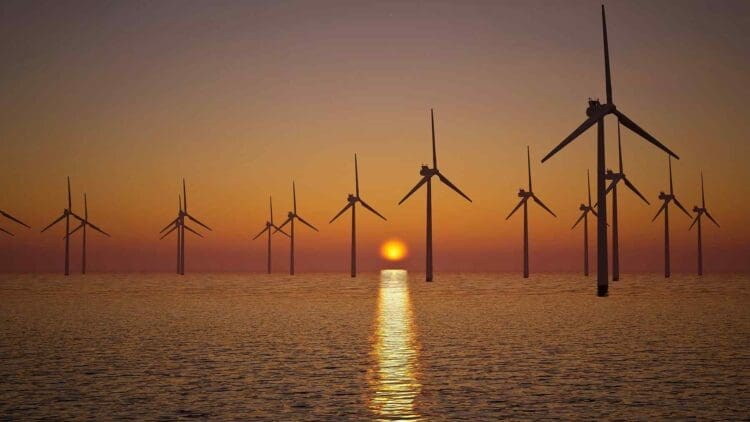

The United States is in a strange position whereby it is more surprising for a wind project to proceed as initially planned than it is for it to be halted. The situation is detrimental, particularly to the general population, who are already anticipating receiving perks and benefits from projects only for them to be prematurely halted. In another display of this trend, the U.S. Interior Department placed a temporary hold on new large-scale offshore wind leasing.
Analyzing the actions that led up to the leasing suspension
The most obvious reason why so many wind developments are not coming to fruition in the United States is the Trump Administration’s return to power. President Trump has a long and well-documented history of expressing his dislike for wind farms because they are ugly and expensive.
Unfortunately, large-scale developments in the United States cannot go on without the approval of the government, which is the reason why so many companies have suffered from the Energy Department’s decision to suspend most wind initiatives.



In a December 22, 2025, press release, the U.S. Interior Department announced that it is pausing leases “effective immediately” for all large-scale offshore wind projects now under construction in U.S. federal waters. This is a massive blow, considering that the department is aware that most of the developments that it chose to suspend have been in the works for a long time and are now in a state of near completion.
As expected, the news was not received well by the public, who are not accustomed to the surplus of projects being suspended in 2026.
Delving deeper: Unpacking the exact reasons why the U.S. large-scale wind initiative was temporarily suspended
The Department has remained consistent when it comes to the reasons why it has elected to pause so many developments simultaneously. In this instance, they stated that the decision comes after classified reports from the Department of War unveiled the potential national security risks associated with the existence of large turbine structures and reflective towers near saturated or densely populated coastal regions.
The most obvious question or rebuttal that people might have to this is how other nations manage to develop large-scale wind initiatives without jeopardizing their national security, and why can’t the United States learn from those nations? For instance, China is by far the largest wind energy-generating nation and has repeatedly provided a blueprint for countries like the U.S. to follow.
An in-depth review of the Interior Department’s strategy
Ever since Trump’s return to office, the United States has been somewhat meddling in the business of warring countries, so the decision to maintain national security might be more urgent than the general public thinks. The DOI unveiled that radar systems used for defense and surveillance could be affected by clutter, which may perturb targets or create misconstrued readings in the event of a war. Ultimately, this can present a weakness in America’s national defense operations.
Unveiling the areas that have been affected by the newly-issued temporary hold
The public will be most interested to know which areas have been affected by the latest decision so that they may learn whether they are part of the people who will be missing out on the initiatives’ advantages. The five affected lease areas include: Vineyard Wind 1 off Massachusetts, Revolution Wind near Rhode Island and Connecticut, CVOW-Commercial off Virginia, Sunrise Wind off New York/Long Island, and Empire Wind 1 near New York waters.
The Interior Department can excuse its decision-making by pointing out that national security is way more important than the generation of wind energy. However, the question remains why the U.S. is part of the nations that are halting their wind energy initiatives when others are proceeding despite the risks. Nevertheless, the latest temporary hold joins the many that have been postponed since the Trump Administration’s return to power.