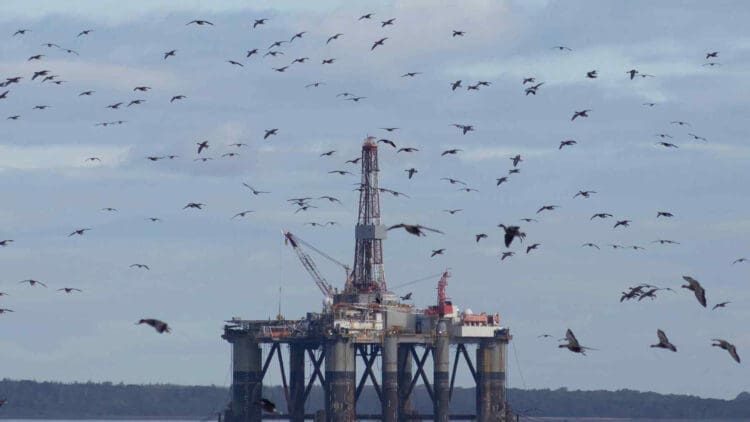
The U.S. energy sector has been growing at an astonishing pace over the past year, thanks in no small part to the efforts of the Trump administration. As new energy projects develop and new opportunities present themselves, the U.S. Department of Transportation has recently approved the plans and licenses for the Texas GulfLink development, the first deepwater port license issued under the President’s Unleashing American Energy Executive Order.
Can the United States foster a new era of energy dominance on the global stage?
By all accounts, that is exactly what the U.S. is now attempting under the president’s executive order. Since coming into office to serve his second term, Donald Trump has revived the energy sector through several executive orders aimed at transforming the U.S. into the dominant force on the international energy stage.
To accommodate the anticipated increase in energy resource production, several pipelines in the United States are being expanded, which, along with the notable expansion plans for the market, will position the country at the forefront of the new world order, aiming at keeping the aging oil and gas sector alive.



A major announcement has been made by the U.S. Department of Transportation Secretary
U.S. Department of Transportation Secretary Sean Duffy announced that Texas GulfLink, a company created to advance the project, has received the necessary license to construct, operate, and own the deepwater port in Texas.
The license for the development and operation of the Texas GulfLink deepwater port is the first of its kind to be issued under the President’s Unleashing American Energy Executive Order. The port will provide several benefits for locals and the regional energy production market by:
- Supporting the populace by creating up to 720 jobs during the construction and operation phases
- As noted by the Secretary, the port will export up to 1 million barrels of crude oil per day, earmarked for the U.S.’s allies
- Enhance the nation’s ability to accommodate Very Large Crude Carriers (VLCCs) from the international market
- Reduce vessel congestion in nearshore waters and streamline export capabilities
“The Texas GulfLink project is proof that when we slash unnecessary red tape and unleash our fossil fuel sector, we create jobs at home and stability abroad. This critical deepwater port will allow the U.S. to export our abundant resources faster than ever before.” – U.S. Department of Transportation Secretary, Sean Duffy
Can the port reduce the bottlenecking issues for the U.S. energy export market?
Whenever new production reaches the coast, the inevitable bottlenecking of shipping vessels becomes an issue. To alleviate concerns over bottlenecks forming, the Texas GulfLink deepwater port has seen its regulatory process being fast-tracked, with the USDOT’s Maritime Administration (MARAD) coordinating with the U.S. Coast Guard and State officials to review the application for the GulfLink port.
With market data revealing that the U.S. oil and gas pipeline capacity is set to surge this year, the Texas GulfLink has become a major necessity for the continued expansion of the energy market this year.
“Texas GulfLink provides a critical offshore logistical asset that keeps our nearshore waterways safer and allows American energy to reach the global market with unprecedented speed and efficiency.” – Maritime Administrator Captain Stephen M. Carmel
Texas may be in store for a wave of new export opportunities
As noted by the federal government, the Texas GulfLink deepwater port project will be located approximately 26.6 nautical miles off the coast of Brazoria County, Texas. To continue to advance the litany of new U.S.-led energy developments, several energy majors have launched bidding seasons for developments. The reality is that the nation now dominates the global energy production market and needs a tried and tested method to export the wave of new crude from Texas to the world.