
SEIA’s Capitol Hill expo reveals that U.S. solar manufacturers can now build every major component of the supply chain at home
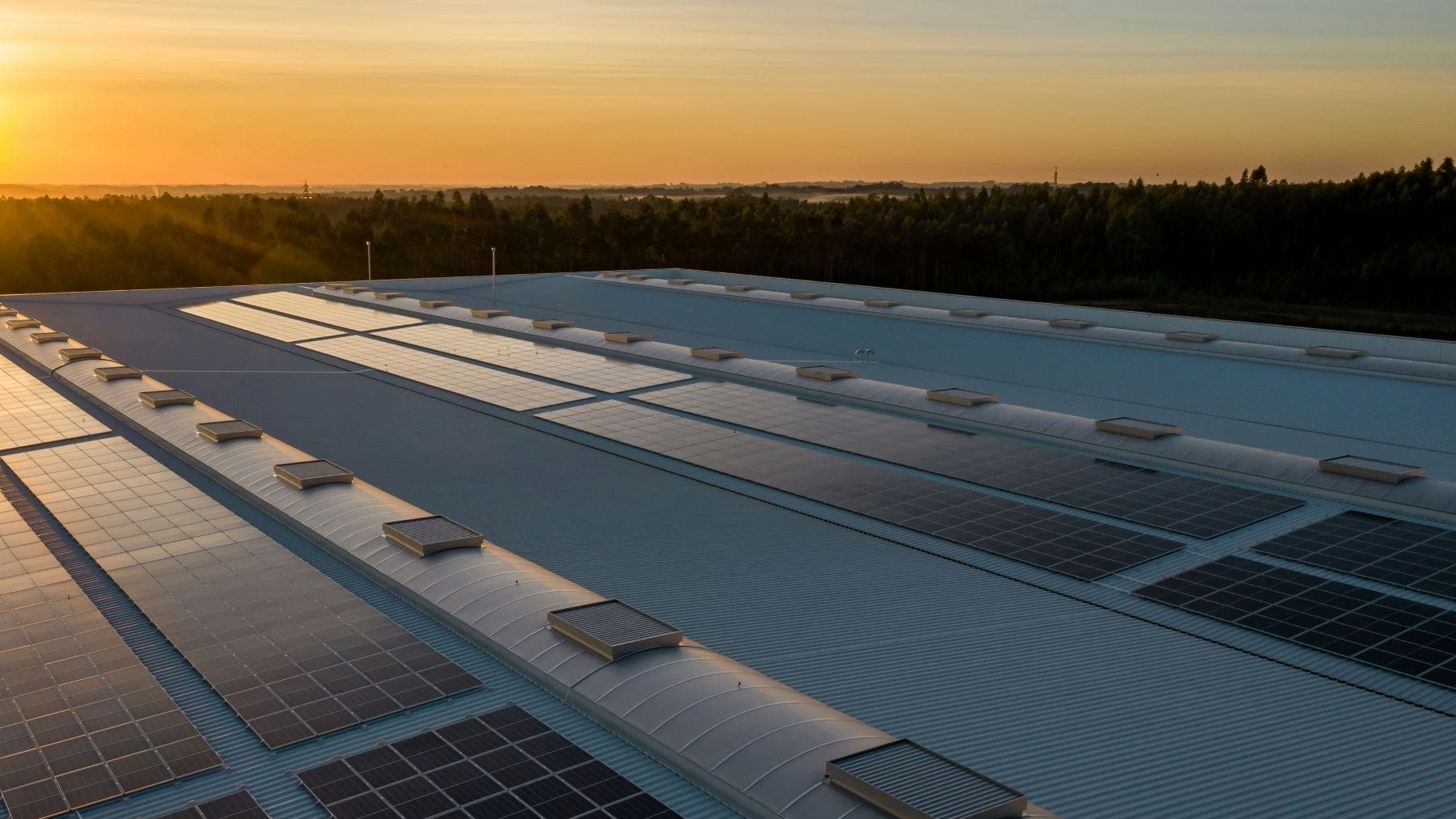
Dozens of solar and energy storage manufacturers lined the halls of Capitol Hill this week for the Solar Energy Industries Association’s American Solar and Storage Manufacturing Expo — a rare gathering that put everything from solar wafers and battery packs to racking systems and pile drivers on display in one place.
The range of what’s on the floor is striking. But for many of the companies here, the expo is less about showcasing individual products and more about illustrating something that’s been quietly building across the country since 2022.
A gathering that reflects a bigger shift
The SEIA’s American Solar and Storage Manufacturing Expo isn’t a typical trade show. Held directly on Capitol Hill, it carries a dual purpose: putting the physical evidence of U.S. manufacturing progress in front of lawmakers, and making the case for keeping the policy conditions in place that made that progress possible. The technologies on display span the full supply chain — solar wafers, cells, modules, inverters, battery cells and packs, racking systems, and specialized solar pile drivers.
Vermeer’s specialized tools help contractors address labor shortages and improve productivity — a persistent bottleneck as the industry pushes to build faster.
That breadth is intentional. With global tensions running high, including ongoing instability in the Middle East, the event sharpens the conversation around energy security. The question isn’t just how much solar the U.S. can install — it’s how much of that supply chain the country actually controls.
From dependency to self-sufficiency: the numbers behind the growth
The scale of what’s happened since 2022 is hard to ignore. The United States now ranks third globally in solar panel manufacturing and second in energy storage system manufacturing. More than $43.1 billion in new manufacturing investments have been announced across more than 40 states in just a few years.
Domestic solar module manufacturing capacity has reached 70 gigawatts per year — a figure that matches national demand. The most significant milestone, though, may be this: as of last year, the U.S. can produce every major component of the solar supply chain domestically. That marks a meaningful departure from the import-dependent model that defined the industry not long ago. Tens of thousands of positions have been created or supported as companies build out factories and supply networks from scratch.
Why energy security is driving the push
SEIA’s interim president and CEO, Darren Van’t Hof, framed the moment plainly. American-made solar and storage technologies, he said, are playing a key role in strengthening energy security at a time when global instability highlights the need for reliable domestic resources. Dozens of manufacturers are investing heavily in U.S. factories, workers, and supply chains to ensure that growing electricity demand can be met with affordable and dependable products made at home.
That demand is rising fast. AI data centers are placing new pressure on the grid, and higher energy rates are pushing affordability to the forefront for consumers — the urgency showing up in electricity bills and infrastructure planning across the country. Domestic manufacturing, in this context, isn’t simply an industrial policy goal. It’s a practical response to a supply chain that proved fragile under stress, and to an energy economy that needs to scale quickly.
Industry voices: what manufacturers say they need next
Several manufacturers at the expo offered their own views on what’s at stake — and what still needs to happen.
Raghu Belur, co-founder and chief products officer at Enphase Energy, pointed to products like the company’s IQ Microinverters and IQ Batteries as examples of how U.S.-made components can reinforce both the grid and the supply chain at once. Phillip Vyhanek, CEO of GameChange Solar, emphasized that domestic investment in solar and storage creates more stable supply chains while generating jobs and supporting long-term energy security.
Dan Shugar, founder and CEO of Nextpower, was direct about what the industry needs to sustain its momentum: stable policies, predictable permitting, and continued support for domestic manufacturing. His company operates more than 30 U.S. manufacturing facilities. Supply chain resilience, he stressed, depends on the ability to build energy infrastructure at scale without regulatory uncertainty undermining that effort.
Dan Barcelo, Chairman and CEO of T1 Energy, described his company’s goal as building a fully domestic solar supply chain — centered on a 5-gigawatt solar module facility in Texas designed to deliver scalable, reliable, and low-cost American energy.
Jobs, steel, and the road ahead
The manufacturing story extends well beyond modules and inverters. Costa Nicolaou, CEO of PanelClaw and part of the Enstall Group, noted that his company has been investing in U.S. steel and aluminum manufacturing for nearly two decades, with a presence across 18 states. As solar deployment accelerates, that kind of foundational materials capacity becomes increasingly important.
Ed Savage, Lead Product Manager at Vermeer, highlighted a different but equally critical piece: the equipment used to install solar infrastructure. Vermeer’s specialized tools help contractors address labor shortages and improve productivity — a persistent bottleneck as the industry pushes to build faster.
Throughout the expo, manufacturers are meeting directly with lawmakers and congressional staff. The message is consistent: the investments are real, the jobs are real, and the supply chain is more resilient than it’s ever been. What the industry needs now is policy stability to protect what’s been built. How Congress responds — particularly as trade and energy policy remain contested — will likely shape the next chapter of U.S. solar manufacturing as much as any single factory announcement.
Daniel García is an Editor-in-Chief with strong expertise in structural work and engineering principles. He combines this technical foundation with deep knowledge of energy, spatial design, and emerging technologies, bringing a forward-thinking and analytical approach to editorial leadership.
