

Valero’s plans for the idling of their Benicia facility have sparked a small amount of interest in Northern California regarding a change in how fuels are produced in the area, especially given the planned closure date of the plant in April of 2026. At first glance, this seems like just another day in terms of normal business practices; however, upon closer inspection, there may be more at play here.
The idling of the facility was done in accordance with regulations
The company indicated that they would continue to produce gasoline at the facility until they had depleted all inventory available at the site and could be supplied by importing gasoline into the area until all refining activity ceased in April 2026.
State officials and Governor Gavin Newsom were pleased with the way the situation was handled, as it protected consumers from experiencing any disruption in the availability of gasoline due to the limited supplies currently being experienced.
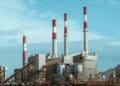

In effect, this transition from producing gasoline using the resources available within the facility to relying solely on imports indicates a transitional strategy, and not a complete cessation of operation.
There appear to be implications from this shutdown that extend far beyond Benicia, California.
Valero’s Benicia facility is one of the largest producers of transportation fuels in Northern California. The announced plan to continue production of gasoline at the facility through April 2026, followed by the idling of the primary production units at the site, represents a unique blend of regulatory pressure, current economic conditions, and long-term analysis of whether it makes sense to continue operating the refinery in the future.
According to reports, power-down activities will commence no later than February 2026, and the sequential shutting down of units will continue until the majority of the refinery’s production equipment has been shut down by April 2026.
California state officials expressed their intent to engage in ongoing dialogue with Valero
Officials want to determine if there are long-term production alternatives available. Governor Newsom also issued a statement expressing his appreciation for Valero’s efforts to minimize disruptions to the availability of fuel during the shutdown period, and noted that California is working closely with Valero during this transition.
The California Energy Commission also expressed its intent to engage in collaborative planning with all relevant stakeholders in order to mitigate the impact of the shutdown and characterized the idling of the refinery as part of a broader energy transition effort.
What is expected of the workers employed at the refinery and the fuel market?
About the impending shutdown, Valero has stated that it anticipates some job losses, and that it intends to provide workers with notice under the Worker Adjustment and Retraining Notification (WARN) Act, and opportunities to be transferred to employment at other company facilities. While the company has not formally announced a permanent closure of the refinery, the shutdown raises serious concerns about the future viability of the local economy and the state’s overall refining capabilities.
In contrast, Valero’s refinery located in Wilmington, CA., in Los Angeles County continues to operate on a regular basis and serves to illustrate that the shutdown of the Benicia refinery is specific to that location and does not represent a wholesale departure from the state.
The collective effort of the idling, importation of fuels, and the cooperative nature of the state’s actions clearly illustrate a deliberate attempt to manage the transition to a stable supply environment, while the larger policy discussion continues. With regards to California, the state relies heavily on domestic refineries for its fuel requirements, and any loss of capacity—whether temporary or permanent—will force the state to weigh its desire to meet environmental objectives and lower fuel prices against maintaining the reliability of the state’s fuel supply.