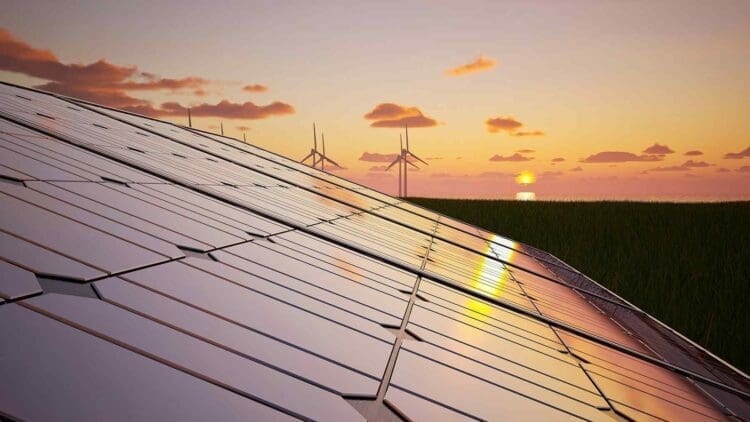

A huge part of the energy industry is being opportunistic and striking while the iron is hot in order to ensure that projects are completed at the most appropriate time. In the modern landscape, companies are becoming more aware of this and are displaying a desire to capitalize. Thus, it is unsurprising that VDE Americas issues construction-readiness guidelines for solar developers ahead of looming tax credit timelines.
Transformation of the solar energy landscape in the United States
VDE Americas is a wholly-owned subsidiary of the German-based VDE Group, which is a European technology company with over a century of experience. In expansion to America, it became headquartered in the state of California. This was convenient considering that this is the highest solar energy-generating state in the entire country.
Thus, the intentions are clear: to further solidify California as the United States’ hub for solar energy generation. In what might turn out to be a major turning point of the solar industry, VDE Americas officially released a new set of construction-readiness guidelines that aim to assist project developers in meeting urgent tax credit qualification timelines.

To outsiders, the news came as a shock, but to the energy industry enthusiasts, it was not overly surprising. In the current landscape, solar project developers are in a race to make their proposed developments eligible for the revised beginning of construction criteria linked to federal clean energy tax incentives.
In simple terms, there is a new criterion that solar projects must meet if they are to receive certain governmental support, which is why they are all aiming to qualify for that.
A general overview of the looming tax credit timelines in solar developments
It is interesting to uncover how changes are made in the energy industry, specifically relating to how they are passed as sufficient to proceed. For instance, wind energy developments in the U.S. are being suspended because of national security concerns.
In this case, it is the U.S. clean energy tax credit framework that was significantly altered under the One Big Beautiful Bill Act (OBBBA). Before uncovering the changes, it is essential to briefly highlight what the qualifying terms were under the previous regime.
Project developers had the freedom to establish the beginning of construction through two ways, which included: spending at least 5% of project costs (the safe harbor test) or performing physical work of a significant nature.
VDE Americas issues construction readiness guidelines for solar developers
The newly established IRS and Treasury guidance tied to the OBBBA state that the 5% safe harbor is largely eliminated for solar projects with capacities greater than 1.5 megawatts. This is a significant change that, if implemented earlier, would have resulted in many projects not materializing.
As of now, the physical work test is the primary route to secure tax credit eligibility. The overall implication of the change is that it increases the significance of demonstrable onsite or offsite work that qualifies for the new criteria before the July 4, 2026, deadline.
Looking ahead: Assessing the key guidelines released by VDE Americas
VDE Americas has greatly assisted developers with what they need to know moving forward. The guidelines suggest that the key factors for developers to consider include detailed activity analysis, which lists the activities that constitute the beginning of construction.
Documentation standards – there is a need for developers to improve documentation practices by including things like date-stamped photos, and Contract strategy – making contracts consistent with tax credit eligibility terms can ensure that EPC agreements and supply contracts represent the timing and work needed to meet the physical work test.
Every year comes with its own changes, which significantly transform energy generation strategies. The U.S. solar landscape is thriving at the moment, and this change only increases the urgency of developers who were hoping to initiate projects in the near future.