
About half of Venezuela’s oil output now flows to US refineries, officials say
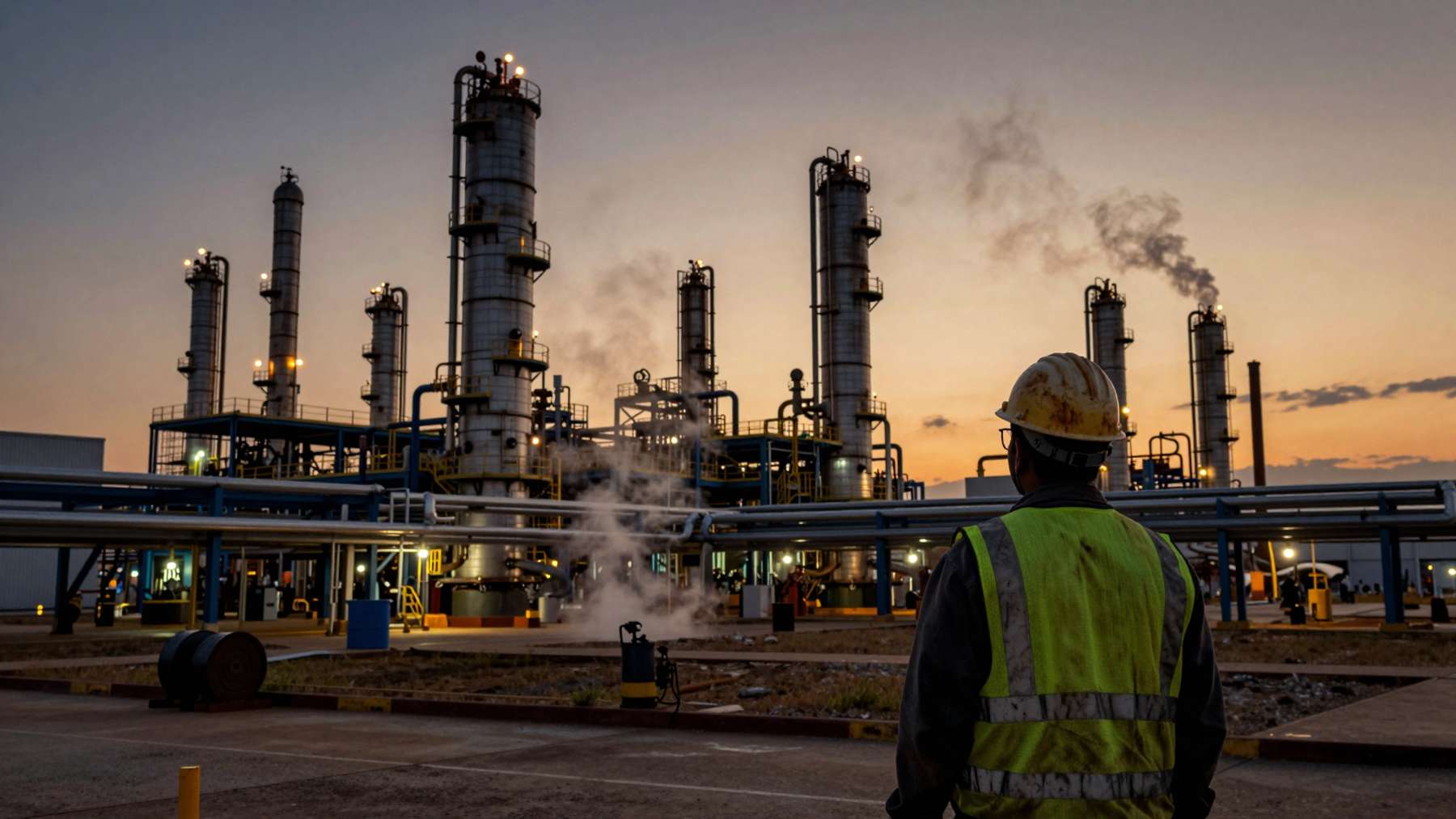
More than 500,000 barrels of Venezuelan oil per day — roughly half the country’s total output — are now flowing to American refineries, a senior U.S. official said Monday. Speaking at an energy event in Houston, Under Secretary Haustveit noted that Venezuela is currently producing around 1.25 million barrels per day, and that over recent months a growing share has been heading to U.S. facilities built specifically to process that country’s heavy crude grades.
Half of Venezuelan output now reaches US refineries
The numbers Haustveit put on the table are hard to ignore. Over 500,000 barrels per day — roughly half of Venezuela’s current production — is now reaching American refineries. That’s a real shift in a trade relationship that sanctions had seriously disrupted for years.
Haustveit made the remarks in Houston, sitting at the heart of US refining capacity. He noted that the refineries receiving this crude were “built specifically for that crude” — and that detail matters. Venezuelan heavy oil isn’t interchangeable with lighter grades from other suppliers; you need specific equipment to process it. That’s not a minor operational footnote. It’s the reason this particular trade relationship keeps reasserting itself despite political friction.
Approximately half of Venezuela’s current oil output — over 500,000 barrels per day — is now flowing to US refineries, according to Under Secretary Haustveit.
Beyond the volume figures, Haustveit signaled something industry observers tend to care about deeply: sanctity of contracts would be respected. For energy companies weighing investment decisions in a relationship that’s seen plenty of turbulence, that kind of assurance carries real weight.
Venezuela’s heavy crude grades drive US demand
The American appetite for Venezuelan oil isn’t random — it’s structural. PDVSA Vice President Jovanny Martinez, also speaking at the Houston event, put it plainly: the US economy depends on Venezuela’s heavy oil grades to feed its refineries. That’s not a sales pitch. It’s a description of how Gulf Coast infrastructure was built and what it actually runs on.
Martinez reported that Venezuelan crude exports have risen 19.7% so far this year, projecting the country’s output would reach 1.245 million barrels per day by the end of August — a figure that lines up closely with Haustveit’s estimate of around 1.25 million bpd.
One technical challenge Martinez flagged: heavier crude grades need diluents to flow through pipelines and be processed efficiently. He said those diluents should be developed domestically within Venezuela rather than imported — pointing to a broader push for self-sufficiency across the country’s oil sector.
Venezuela’s domestic energy sector shows mixed progress
The picture inside Venezuela’s own energy industry is one of gradual gains alongside persistent gaps. Fuel output has increased 12.9% in 2025 so far — a meaningful improvement, though it comes against a backdrop of years of underinvestment and infrastructure decay.
Domestic fuel supply has grown by 5.4% this year. Positive, but it also suggests Venezuela is still working to reliably meet its own population’s needs even as exports ramp up.
Martinez called for modernization and expansion of Venezuela’s refinery infrastructure. The implication is straightforward: the country wants to capture more value from its oil at home, not just extract and ship raw crude to someone else’s refineries.
The most acute challenge Martinez identified is a natural gas deficit of 500 million cubic feet per day. That’s a substantial shortfall, and it highlights how unevenly the country’s energy sector has recovered. Exporting crude while facing a domestic gas deficit reflects the complex, sometimes contradictory pressures Venezuela’s energy planners are navigating right now.
Background: Venezuela’s oil sector and US energy ties
Venezuela sits on some of the world’s largest proven oil reserves — but they’re predominantly heavy crude, the kind requiring specialized refining capacity to turn into usable fuels. That geological reality shaped decades of investment decisions along the US Gulf Coast, where refineries were configured specifically to handle Venezuelan grades.
That long-standing relationship frayed badly after the US imposed sweeping sanctions on Venezuela’s oil sector in 2019, targeting PDVSA and restricting American companies from doing business with it. The sanctions were aimed at pressuring the government of Nicolás Maduro. In practice, they redirected Venezuelan exports toward China and other buyers while US refiners scrambled for alternative heavy crude supplies — often at higher cost.
The current flow of over 500,000 barrels per day to American facilities suggests the relationship is being rebuilt, at least commercially. Whether that reflects a formal policy shift or a more informal easing of restrictions isn’t fully clear from the available reporting.
Martinez referenced an ongoing energy reform effort in Venezuela, saying the country had “made a big effort for an energy reform” and was now “looking for real results in terms of development.” That language points to a government trying to attract outside investment while demonstrating measurable progress — a pitch aimed squarely at the energy industry players gathered in Houston.
Key takeaways
Here’s what the reporting tells us. Approximately half of Venezuela’s current oil output — over 500,000 barrels per day — is now flowing to US refineries, according to Under Secretary Haustveit. Venezuela is producing around 1.25 million barrels per day, with exports up nearly 20% this year.
US Gulf Coast refineries were built for Venezuelan heavy crude, giving this trade relationship a structural logic that outlasts political disruptions. Venezuela’s domestic energy sector is showing incremental gains — fuel output up 12.9%, domestic supply up 5.4% — but a natural gas deficit of 500 million cubic feet per day remains a significant challenge. Both sides, it seems, have practical reasons to keep the oil flowing.
Disclaimer: Our coverage of events affecting companies or institutions is purely informative and descriptive. Under no circumstances does it seek to promote an opinion or create a trend, nor can it be taken as investment advice or a recommendation of any kind.

Carlos is an engineer with strong expertise in technical and industrial topics. He previously worked at international companies such as Siemens and is multilingual.
