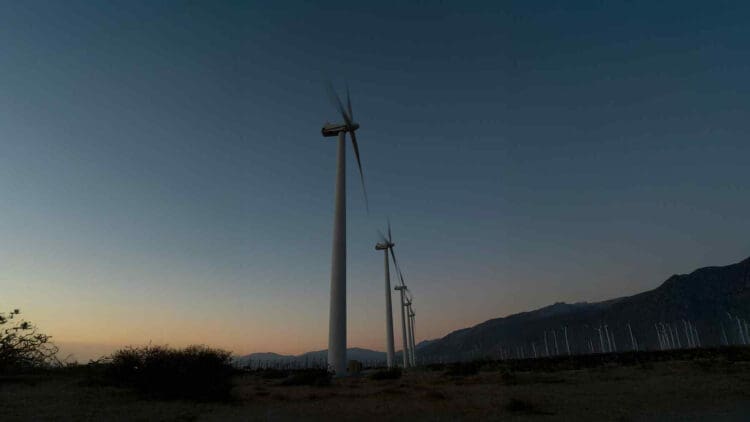
Vestas has been one of the most active companies in 2026 as it works towards improving its reputation and solidifying itself as a major player in the energy industry. The company has already amassed a lot of respect, but with emerging companies in the contemporary landscape, it hopes to separate itself from the rest of the pack. In the latest development, Vestas was awarded a 26 MW wind project contract in New Zealand.
A brief overview of Vestas’s expansion into New Zealand
One of the most commendable aspects of Vestas’ activity is that it appears to be building developments in different countries, which is a testament to the relationships that it has established over time. Its expansion to New Zealand is logical, considering that the nation ranks among the top countries for wind energy efficiency.
Reports from 2024 stated that wind was responsible for approximately 9.4%-11% of New Zealand’s total electricity generation. Since then, various countries have expanded to the country, and Danish wind turbine manufacturer Vestas Wind Systems is the most recent to be awarded the contract to supply and install turbines for the new 26 MW Kapuni Wind Farm in New Zealand.

The order, made by Hiringa Energy Limited, marks a monumental event in the country’s renewable energy transition, especially when it comes to integrating wind power with green hydrogen production.
Delving deeper into what the Vestas-led initiative will deliver for New Zealand
Before getting into the specific details of the development, it is essential to highlight that it is only intended to start in early 2026, with commissioning expected in 2027. As such, people will have to remain patient before they can enjoy reliable electricity from the facility.
The brief overview of Vestas’ initiative is that it perfectly combines top-notch turbine technology with long-term service support.
The introduction of technology into the energy industry has grown in 2026 because of the relentless technological innovation taking place. Countries like New Zealand can decarbonize key industries and expand clean power generation in their energy sector because of technology.
Unpacking the partnership for renewable energy and hydrogen development
The energy industry is not as competitive as others, where companies have the ability to copyright certain things and prevent their competitors from using them or copying similar strategies. This is why there is an increase in the number of firms that are open to partnering up with the common objective of delivering clean energy.
The Kapuni Wind Farm will be developed as a collaboration between Hiringa Energy and numerous partners, including Balance Agri-Nutrients, Todd, PKW, and the Ministry of Business, Innovation and Employment (MBIE).
This is particularly crucial because it means that all the entities involved can share the risks as well as the expenses associated with building the large-scale wind farm.
Four Vestas wind turbines to transform the energy landscape
The terms of the contract indicate that Vestas will supply and install four V162-6.4 MW EnVentus wind turbines that will deliver up to 26 MW capacity. The turbines have received a lot of credit and a significant push as the future of wind energy in initiatives. They are designed to maximize energy output in the site’s wind conditions, which are extremely strong.
Vestas has also signed a 20-year service agreement to ensure system reliability and high performance throughout the lifespan of the project. As per reports, the project has reached financial close and will possess a 5 MW hydrogen electrolyzer that uses renewable electricity to split water into hydrogen and oxygen.
The people of New Zealand will enjoy an incredible 100 GWh of renewable electricity per year once the project is operational. This is enough to power about 24,000 homes. Vestas is a company that the U.S. could use at the moment as it attempts to navigate through the issues surrounding project delivery without jeopardizing national security.