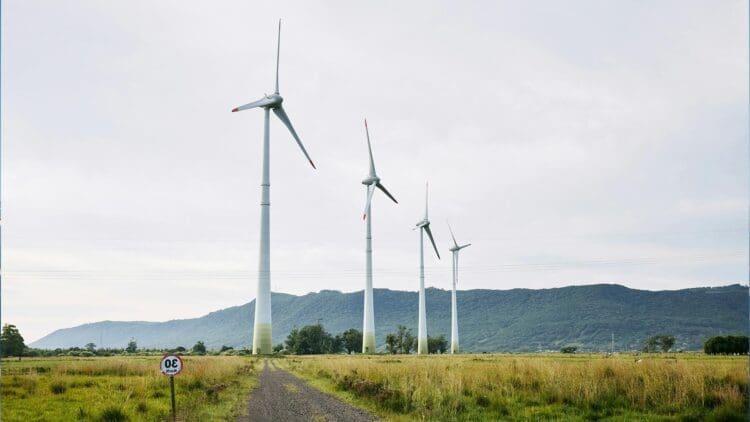
Australia is seemingly on a quest to diversify its energy portfolio and significantly enhance its energy projects as 2026 is now fully underway. There are many projects that are currently in the works and waiting for approval, but that has not stopped the country from pursuing more. A company called Vestas recently found itself in the headlines after it won a contract to supply 108 MW of turbines for Western Australia’s Waddi wind project.
Vestas earns a golden opportunity: Waddi wind project in a nutshell
According to reports, Australia consistently falls among the windiest countries in the world because of the geography and weather systems associated with the country. As such, it is not a great surprise that it has elected to pursue a large-scale wind energy project, which has garnered much attention among the citizens. The initial plan was submitted by Tilt Renewables, which is a widely known and respected renewable energy facilitator in Australia. The developer has a reputation and so was able to once again present another project in line with the government’s criteria for a renewable energy project.
In summary, the project will have 18 Vestas V162-6.0 MW En Ventus turbines installed about 125 miles away from Perth, which is a firm representative of Australia’s plans to expand renewable energy. As the country is always among the windiest in the world, Vesta is capitalizing upon that fact and using it to develop yet another wind proje,ct which will benefit the citizens if executed as well as the others.

108 MW of turbines: Vestas and Tilt Renewables enter a groundbreaking partnership
Many people believe that Vestas would not have won the Waddi contract if it had not aligned itself with Tilt Renewables. For instance, the Tilt Renewables CEO, Anthony Fowler, said the following:
“Waddi Wind Farm is a proud investment in Western Australia, not only generating clean, affordable energy for around 68,000 homes but also delivering real benefits for the Dandaragan region. By working closely with local communities and employing local businesses, we’re ensuring this project leaves a lasting legacy. Together with Vestas, we’re building a reliable, long-term source of clean power that reduces carbon and strengthens the Wheatbelt’s energy future.”
The heartfelt statement conveys the deeply rooted partnership between Vestas and TR, which has existed for multiple years and has also led to rewards in other projects.
Assessing how Vestas aims to make the most out of the opportunity
What is imperative to highlight is that Vestas was not the only company seeking this opportunity, so it must prove throughout the entire project that the correct candidate was elected. What works in Vestas’ favour is that it has extensive experience. The 18 wind turbines to be supplied by the company are said to have the EnVenturus platform, which is able to produce 6 MW of power. The turbines have a height of 125 meters, which makes them suitable to withstand wind conditions and generate energy. In the agreed upon contract, there is a 30-year service agreement that intends to ensure that there is continuous maintenance and operational support even after the project has been installed.
Understanding the Economic ramifications of Vestas’ upcoming project
Australian citizens are excited at the prospect of receiving more reliable power, but what is even more exciting to them is the numerous economic opportunities that will arise from the project. For instance, a total of 150 jobs will open up during the construction phase and six permanent opportunities after the project’s completion. The projects also fulfil the state’s target to reduce greenhouse gas emissions by replacing fossil fuels.
The idea of providing electricity for over 68,000 homes per year is one that unveils just how far Australia has come in its energy endeavours. The country is showing its desire to actively participate in the green revolution by producing clean energy instead of planning without acting. The project has finally been accepted, and now the real work can begin, furthering the renewable energy projects already established in 2026.