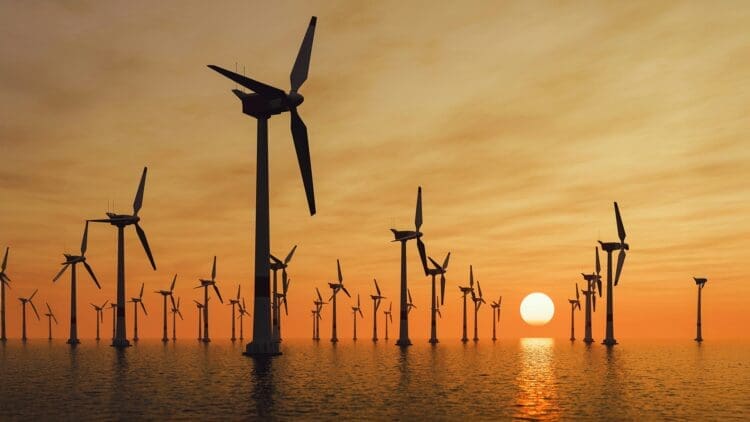
The U.S is heavily focused on pursuing offshore wind projects as they are seemingly beneficial to its citizens. However, it is not easy for the facilitators to execute all of the projects especially considering the decisions being made by the Trump administration. Nevertheless, Vineyard Wind I offshore project is not limiting its ambition as it is targeting commercial operations by December 2026 at 800 MW capacity.
Assessing the hurdles faced by the Vineyard Wind I offshore project
When news first broke relating to the plans of a wind farm, many people were excited and greatly anticipating it but that joy was short-lived. Interestingly, the Vineyard area was not the only one that was affected or halted in its tracks as it was on its way to becoming a major supplier of electricity. The big question is what exactly curtailed the project from coming to fruition in accordance with the initial schedule?
When the Trump administration came into office, it made decisions relating to many upcoming wind farms such as the one in Virginia. In Donald Trump’s second return to office, he and his administration labelled turbines as expensive, unreliable, and capable of jeopardizing the country’s national security. This was particularly devastating for America because it was in the middle of executing a long-term objective of tapping into the potential from offshore wind farms.

800 MW of electricity in jeopardy: Understanding the legal battle faced by the Vineyard Wind I
In a decision that left the project facilitators flabbergasted, the U.S Department of the Interior’s Bureau of Ocean Energy Management (BOEM) issued a controversial suspension order that stopped the operation taking place on the Vineyard Wind I as well as other offshore projects.
The reason for this was reportedly national security concerns, which, to many people, sounded like an incomplete statement that needed further development. This was terrible news for the people working on the project. In response, the developers filed a lawsuit in federal court asking for a temporary restraining order and preliminary injunction against the suspension.
This issue is one which was dealt with in terms of administrative law. The project facilitators brought forward the advantages that the wind farm was set to have such as employment opportunities for people, and argued that the suspension took away something from the people.
Was the decision made by Vineyard Wind I developers to file a lawsuit harsh?
Some people were of the belief that the facilitators were not in their rights to file a lawsuit against the government. However, the decision is reportedly justified because the project was completed lawfully and was nearly complete before Trump made changes.
In the words of the developing company’s representative:
“As of Dec. 21, 2025, the date before BOEM’s order, the project was on schedule to be completed by March 31, 2026, bringing the project to its planned 800 [megawatts] capacity from 62 wind turbine generators.”
Reports suggest that the project was 95% complete, with 61 of the 62 turbines already installed.
How has the U.S political decisions affected the energy landscape?
There is a strong feeling from Vineyard that they are affected by U.S political tariff decisions. An official of the company stated:
“Vineyard Wind believes the order violates applicable law and, if not promptly enjoined, will lead to immediate and irreparable harm to the project, and to the communities who will benefit from this critical source of new power for the New England region.”
There is a bright spotlight shone on the Trump administration and its decision making at the moment. Thus, it will be important to assess how it manages this current situation because the decision made now will affect future developments. Virginia has already overcome the issue and now Vineyard will also have to remain patient throughout.