
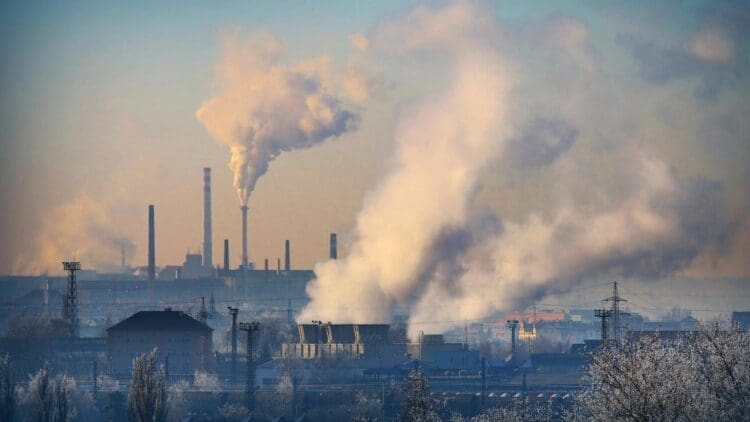

A coal-burning power plant in Washington has led to the clash of two U.S. titans.
Transitioning to green energy solutions to meet climate goals may seem straightforward, but choices are not only black or white.
Sometimes, one decision carries so many varying consequences that it is impossible to decide whether it is the right one.



In Washington, the fossil fuel choice seemed right, but will it end up costing the state more than expected?
How the world’s energy needs are in a gray area
Years ago, global power production was simple. Coal, gas, and oil were the key sources to keep the lights on and homes warm.
On paper, all seemed well, especially as “baseload” plants ensured uninterrupted electricity to meet people’s needs.
This continued for decades, with the world blissfully unaware of the “black cloud” slowly forming around the planet.
Soon, it was no longer possible to ignore a problem that was becoming more visible each day.
The need to transition to cleaner power production was growing as climate change escalated. This led to the rise of renewable energy capacity and climate goals worldwide.
Unfortunately, the choice between fossil fuels and renewable energy was neither black nor white.
Instead, the world is stuck in a very complex “gray area.” There, outdated infrastructure, power demands, and climate targets often collide.
Choosing the right “Plan B” and its consequences
The Global Energy Forum is an annual event hosted by Reuters Events. At this forum, industry leaders get together to discuss a low-carbon future and sustainable, secure energy systems.
This usually represents the typical “Plan A.” For several states across the U.S., this means focusing on phasing out fossil fuels.
One major challenge of transitioning to renewable energy systems is their intermittency.
“Plan B” thus means investing in renewable facilities, such as solar, paired with battery storage. This ensures excess energy generated at non-peak hours can be stored for later use.
However, battery production is expensive, energy-intensive, and requires critical minerals, a resource the U.S. is currently short on. Battery lifespan is generally short, and they pose significant safety risks.
This makes green solutions much grayer than most would like to admit.
That is why the U.S. Department of Energy (DOE) had another backup plan in mind for the Northwest.
The controversial Washington plant that has sparked debate
Washington is seen as a forerunner in implementing “Plan A” to ensure a low-carbon future. In January 2023, the carbon tax went from concept to legislation under the Climate Commitment Act (CCA).
Taking this into consideration, the DOE’s decision to keep Washington’s coal-fired Centralia Generating Station operational is certainly controversial.
Centralia as “Plan B” and the potential consequences
The emergency intervention to keep the plant’s second unit open was in March 2026. The ruling is in clear contradiction with direct orders to retire Centralia once and for all.
The decision was made to prevent the risk of regional blackouts and price increases.
The Environmental Defense Fund (EDF) argues that federal data showed the plant generated zero power in the 2026 quarter 1.
Meanwhile, hydropower reserves provided over 18,000 GWh to the Pacific Northwest during the “emergency period.”
Additionally, keeping Centralia on “standby” is expensive, and these costs will most likely fall upon ratepayers.
The energy security clash between these “titans” is a reminder that walking the green future line is hardly straightforward.
The consequences of both “Plan B’s” are clear. However, while state leaders debate which choice would be less detrimental, consumers hang in the balance.
Only time will tell what this intervention’s outcome will be for Washington and the greater Pacific Northwest. But would it not make more sense to focus on deploying next-generation nuclear power?
Disclaimer: Our coverage of events affecting companies is purely informative and descriptive. Under no circumstances does it seek to promote an opinion or create a trend, nor can it be taken as investment advice or a recommendation of any kind.



