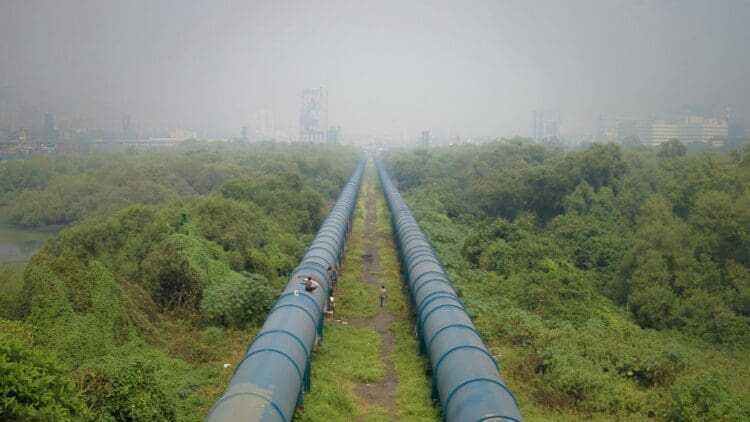
The remarkable expansion of the United States gas and oil production sectors has positioned the nation at the forefront of a new era of energy domination on the global stage. WhiteWater, a major Texas-based energy infrastructure company with several assets in the US, recently outlined plans to boost throughput along the Eiger Express natural gas pipeline, a major energy transportation pipeline sourcing its supply from the Permian Basin.
The US expansion: A geopolitical nightmare, or simply the new normal?
The rapid expansion of the US energy market has come with the inevitable sense of increasing the US’s geopolitical power on the global stage. The United States is now the number one gas producer by capacity in the world, and in order to move all those essential energy resources, upgrades to existing pipelines are necessary.
WhiteWater recently announced its plans to expand the Eiger Express natural gas pipeline to meet the anticipated increase in demand for natural gas in the US. The company secured the necessary transportation agreements and has now outlined the expansion plans for the latest US gas pipeline.



The Eiger Express Pipeline: An exemplar of the rapid expansion of the US energy market
WhiteWater recently stated that the company is now planning to increase the mainline capacity from 2.5 billion cubic feet per day (Bcf/d) to 3.7 Bcf/d. The mainline has been upsized to a 48-inch pipeline to effectuate the increase in gas flow through the pipeline.
WhiteWater has stated that the expansion of the Eiger Express Pipeline has not affected its previously announced in-service date of mid-2028, and that the project is moving ahead following the joint venture that owns it taking a final investment decision on the development last year.
Can the Matterhorn Joint Venture deliver an expanded Eiger Express Pipeline?
The EIger Express Pipeline was designed to transport substantial volumes of natural gas from the Permian Basin to the Kay Area in the US Gulf region, which holds most of the processing facilities for the US market.
The pipeline is owned by several joint ventures, including Matterhorn JV (70%), ONEOK (15%), and MPLX (15%). Matterhorn JV is owned by several companies with strategic interests in the US energy market, including WhiteWater (65%), ONEOK (15%), MPLX (10%), and Enbridge (10%).
The Eiger Express Pipeline will run for approximately 450 miles from the cornerstone of the US energy market, the Permian Basin, to the many processing facilities in the US Gulf region. The Permian Basin has become a strategic asset for the US energy industry in recent years as the nation aims to meet the lofty expectations of the current administration and its significant push to increase energy production in the US.
2026: an expansionary year for the US energy market
With the new year revealing the substantial domination of the US on the international energy market, several reports have pointed to the oil and gas pipeline capacity reaching new heights in 2026, positioning the US as the king of the new era of energy production across the world. The Permian will remain the most strategically important region for the US energy market.
“The general rule of thumb is the Permian needs a mega pipeline every 16 to 18 months.” – Amol Wayangankar of Enkon Energy Advisors
Can the other basins in the US compete with the Permian in 2026?
The reality is that in 2026, the United States will undoubtedly dominate the global oil and gas markets. The Permian stands as the backbone of the US market; however, other basins in the US have become almost as important, such as the Delaware Basin, which recently saw Western Midstream revise major commercial agreements that will allow for an increased capacity to flow into the US market this year.