
Workplace Safety In The Oil Industry – How Fatigue Plays a Major Role
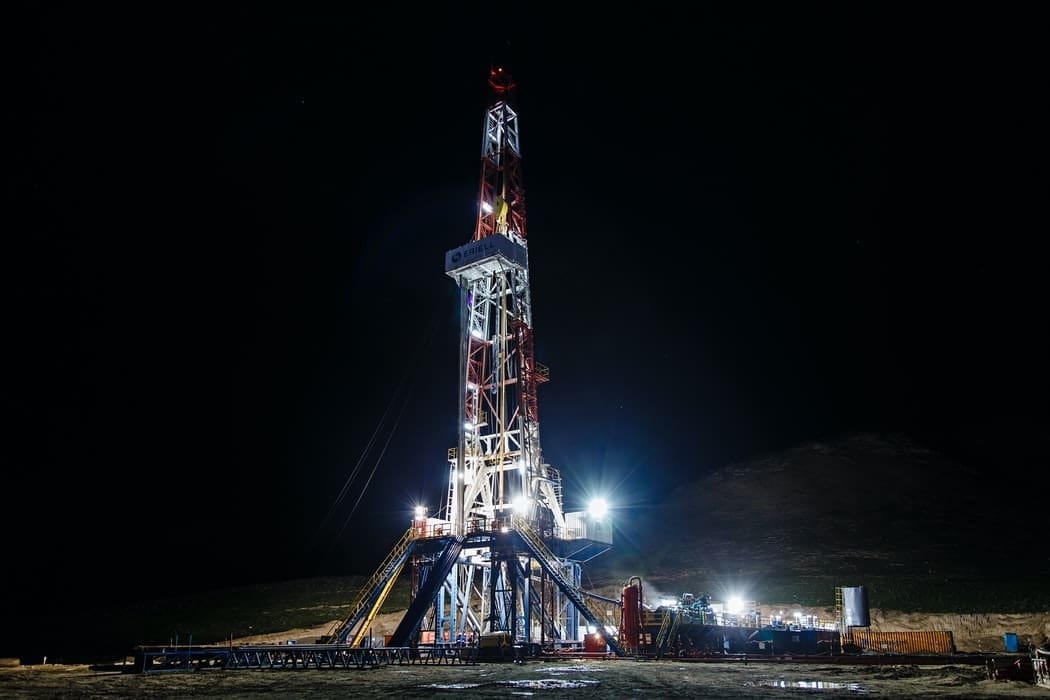
The upstream oil and gas industry has one of the highest rates of severe injury in the country, according to an analysis of workplace data by E&E News. However, while working in the oil industry is notorious for being a dangerous job, the dangers of fatigue are often overlooked. With that in mind, here’s how fatigue can play a major role in workplace safety, and how those in the field can effectively stay safe.
The Dangers Involved and the Common Causes of Injury
Fatigue is defined as a constant and extreme feeling of tiredness or weakness that can affect someone in different ways – whether it be mentally, physically, or even both. With that said, fatigue can quickly become a major safety concern in the workplace, and is common among those in the oil field who are constantly working long shifts or are routinely exerting themselves on the job. Oil workers who are fatigued can experience low energy and a lack of focus or alertness that can lead them to make mistakes more easily, which can cause injury – in fact, workers who are excessively fatigued are actually 70% more likely to be involved in industrial accidents than those who are aren’t, proving that rest really matters.
Thankfully, there are several ways that employees can stay safe, such as by maintaining open lines of communication and ensuring that safety policies are enforced.
While a multitude of injuries in the oil field can occur, fatigue can heighten the risk of head injuries (including lacerations and even brain damage), neck and back injuries, eye injuries, falls and burns. Vehicle accidents are also a major concern – for example, the Occupational Safety and Health Administration (OSHA) reports that vehicle accidents are the number one cause of fatalities within the industry, and fatigue can be a contributing factor. For instance, a fatigued worker can fall asleep at the wheel or easily become unfocused while driving.
The Benefits of Worker’s Compensation
With the many dangers that come with working in the oil field, worker’s compensation programs are essential in protecting employees should anything ever happen. For example, worker’s compensation insurance can help workers in covering the costs of medical treatment, and can even cover paid time off while the employee recovers. Depending on the package, compensation for permanent disability may also be an option. Not only can worker’s comp help to reduce the stress of an injury on financial terms, but it can also help to protect the business as well.
Staying Safe
While worker’s compensation can help protect employees in the event that an injury occurs, it’s important to prevent injuries from happening in the workplace to begin with. Thankfully this can easily be achieved in several ways, with some of them being as simple as implementing a safety program or training to educate workers on the dangers and symptoms of fatigue, to ensuring that safety precautions (such as rest breaks) are enforced throughout the working day. Employers can take additional precautions as well, such as rearranging or reviewing schedules in order to allow for adequate rest time for all employees.
Other things, like monitoring the mental health of employees and allowing for full communication between managers and employees could also be beneficial in preventing injury. This is because workers who feel comfortable discussing any personal workplace concerns with management are more likely to report problems – for example, employees should feel comfortable communicating their physical and mental state in order to let coworkers and managers know that they might need to rest, or are too fatigued to do their job safely.
Working in the oil industry can be a rewarding job, but it’s necessary to keep in mind that it can be dangerous. Thankfully, there are several ways that employees can stay safe, such as by maintaining open lines of communication and ensuring that safety policies are enforced.
