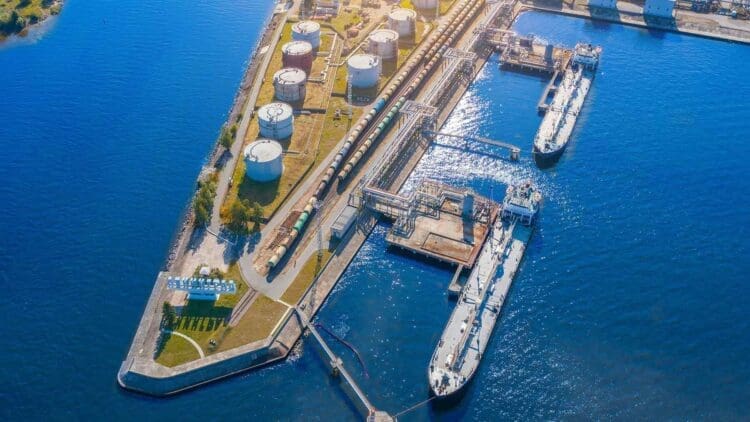

The European energy industry has been leading the global energy transition from fossil fuel-based refining towards a cleaner process through the use of electrolyzers at refineries across the continent, among other measures. A consortium of energy companies has come together to deliver the world’s largest SOEC electrolyzer at a refinery at Rotterdam in the Netherlands. The project has been supported by the EU and will play a vital role in proving that the use of hydrogen in refining can drastically reduce emissions.
Can the MultiPLHY consortium increase the use of hydrogen at refineries?
That would be the hope of the MultiPLHY demonstrator project, which aims to prove to the international energy industry that the reliance on fossil raw materials in refining operations can effectively come to an end over the coming years, drastically reshaping the global refining industry.
As the momentum around hydrogen usage grows, even the United States has jumped on board the hydrogen train, despite the best efforts of the current administration.
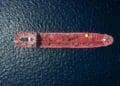
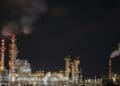
Europe has overall been a welcoming destination for the hydrogen market, and through the new development at the Neste Rotterdam refinery, the world’s largest high-temperature electrolyzer (HTE) in an industrial environment has been commissioned and is now fully operational.
Who exactly is part of the MultiPLHY consortium in Europe?
The pilot program aims to demonstrate that replacing fossil raw materials in the refining process with renewable hydrogen is not only viable but has become a necessity to meet the emission reduction ambitions of the world, all while keeping the role of refining of essential energy resources at the top of the long list of priorities for the international energy market.
The project brings together some of the largest and most experienced energy companies in Europe to bring the electrolyzer online. The companies that form the MultiPLHY consortium and their respective responsibilities are:
- Neste, which brings its refinery in Rotterdam to the table
- Sunfire, which will oversee the operation and maintenance of the new electrolyzer
- CEA will provide the necessary research and technology services for the project
- ENGIE will be responsible for the techno-economic assessment of the project
What makes this landmark electrolyzer developed by the consortium so special?
The unit, which has been installed at the Rotterdam refinery, is based on Sunfire’s SOEC (Solid Oxide Electrolysis Cell) technology and consists of 12 electrolysis modules, which, when combined, make the world’s largest high-temperature electrolyzer installed in an industrial location.
The new system operates at 1562 °F and produces over 132 lbs of renewable hydrogen every hour of operation. Due to the extremely high temperatures that the electrolyzer uses, the refining process needs far less electricity to produce the hydrogen when compared to traditional processes.
Several new projects have been developed across the European market in recent years, such as the Galp project in Portugal, which was recently commissioned.
” High-temperature electrolysis has the potential to make renewable hydrogen more affordable while increasing the energy efficiency of various industrial processes globally. The construction and commissioning achieved by Sunfire and Neste is a tremendous achievement and a big step in making green hydrogen competitive,” – Estibaliz Gonzalez-Ferrer, Director of the CRIGEN Lab at ENGIE R&I
Hydrogen production has become the latest must-have across the world
The reality is that the MultiPLHY hydrogen project exemplifies the remarkable growth of the hydrogen industry across the world. The proclivity for hydrogen production has reached into every nook and cranny of the world, with Australia seeing Samsung CT and its partners advancing a new green hydrogen development at the Port of Brisbane. No matter how you look at it, hydrogen will inevitably become the energy resource for the world of tomorrow.