
Iran, Qatar and Brazil set for major jump in crude and gas output as new reserves come online
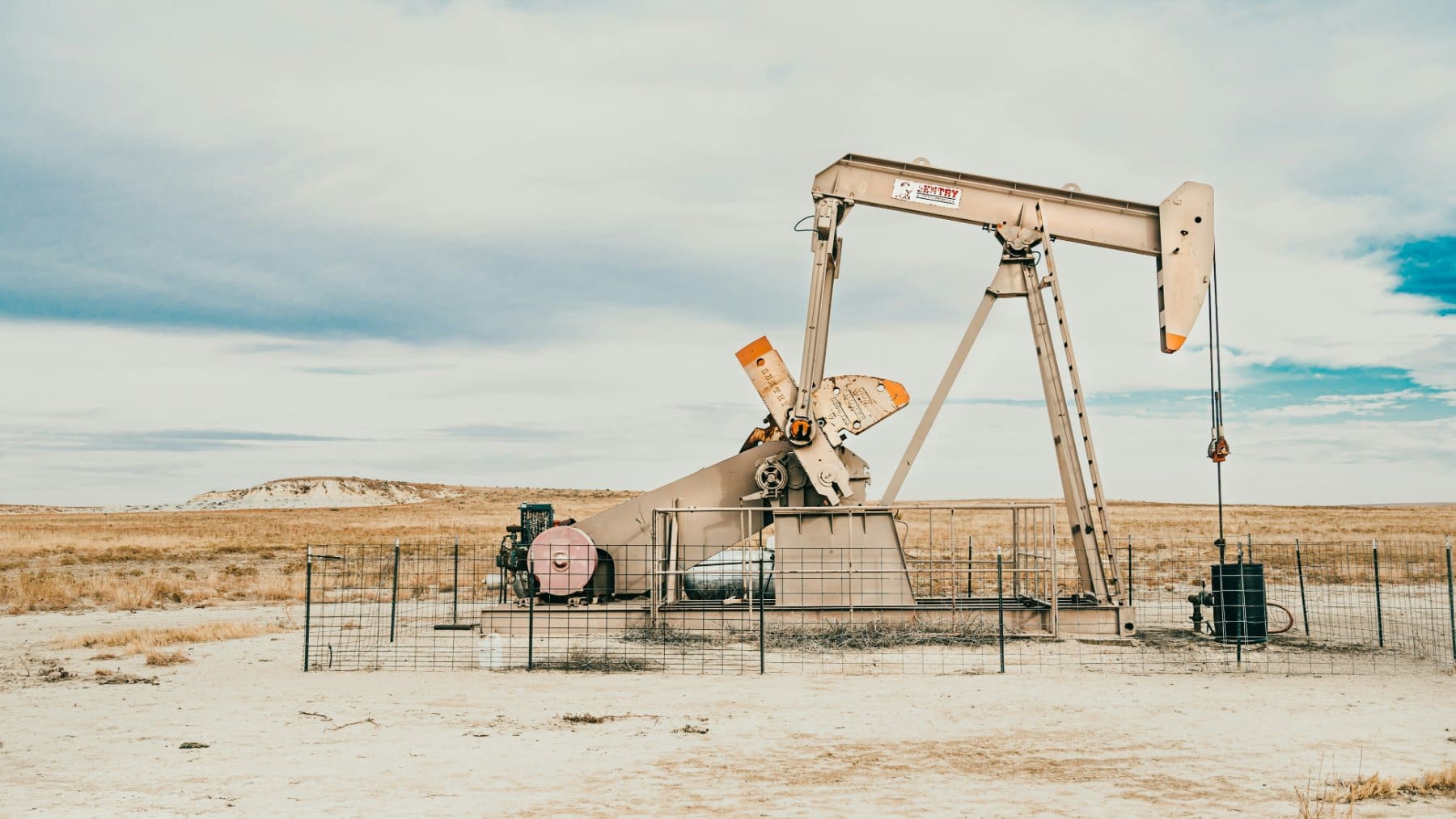 Credits: Colton Sturgeon on Unsplash
With the new year right around the corner, a new report states that several nations are set for a major jump in crude and gas output as new reserves come online. The global energy market is in a constant state of change, with the increase in oil prices once the new sanctions on Russian energy supplies took hold, the market has had a tough 2025 so far. However, new reserves provide some much-needed relief for the international energy market as Iran, Qatar, and Brazil are set to see vast amounts of new reserves enter their markets.
Iran and Qatar prepare for a wave of new reserves to hit their respective markets
Iran and Qatar share access to one of the world’s largest gas reserves, and have outlined plans to develop the reserves to reach new levels of output in the near future. This comes as Iran is still struggling to develop its energy market in the face of substantial tariffs preventing the nation from gaining access to vital technologies. Regardless, Iran is pushing forward in the face of adversity.
Hamdi Bovard, the CEO of the National Iranian Oil Company, has stated that engineers have started drilling development wells at the Belal oilfield to fast-track access to new reserves of natural gas in the field. The CEO noted that the project is essential to Iran’s strategy to increase gas output while also strengthening the nation’s national gas supply network.
Regardless, the Belal field holds an estimated 3 trillion cubic feet (84.95 billion cubic meters) of natural gas and around 100 million barrels of condensate.
Iranian engineers are also constructing the associated infrastructure for new gas developments
Bovard has stated that the plan calls for the engineers to also construct a large production platform and a 20-kilometer pipeline that will connect the Belal oilfield to the nearby facilities at South Pars. The project will benefit Qatar as well as the two nations share access to the world’s largest gas reserve, marking the cooperative nature of the international oil and gas market.
The development of the project has been a long time coming for Iran
Iran first began producing oil and gas from the Belal field in 2003. Since then, the field has become a crucial economic driver for a nation ensnared in sanctions over its nuclear weapons program. Regardless, the Belal field holds an estimated 3 trillion cubic feet (84.95 billion cubic meters) of natural gas and around 100 million barrels of condensate.
Following the initial exploration of the field in 2003 with the help of French energy giant Total, the production of gas from the field has stagnated due to a lack of new investments and sanctions on Iran. Six years ago, Iran awarded the rights to drill new wells at the field to local energy company Petropars, which then went on to drill eight wells, including six development wells.
The Iranian government has noted that its expectation is that the new project, which is going to cost approximately $440 million, will produce 500 million cubic feet per day (14.2 million cubic meters) of gas and 15,000 barrels per day of condensates, and that’s just in the first phase of development. The new development comes as several Middle East nations are preparing to invest heavily in oil and gas projects in the near future.
The global upstream sector is set to reach new heights in the years to come
Despite the overwhelming calls to diversify the global energy market and integrate more renewable energy projects, some nations, such as Iran, Qatar, and Brazil, are preparing to double down on their respective oil and gas projects to develop the market into new levels of output capacity over the coming years. This is exemplary of the sentiment towards the oil and gas sector being shared by a litany of nations and companies, such as Petronas, Malaysia’s state-owned oil company, preparing for a procurement drive to boost their upstream sector.
