
Sweden bets on wind “hydroturbines” — Up to 6 MW above the water for 30 years, even during storms
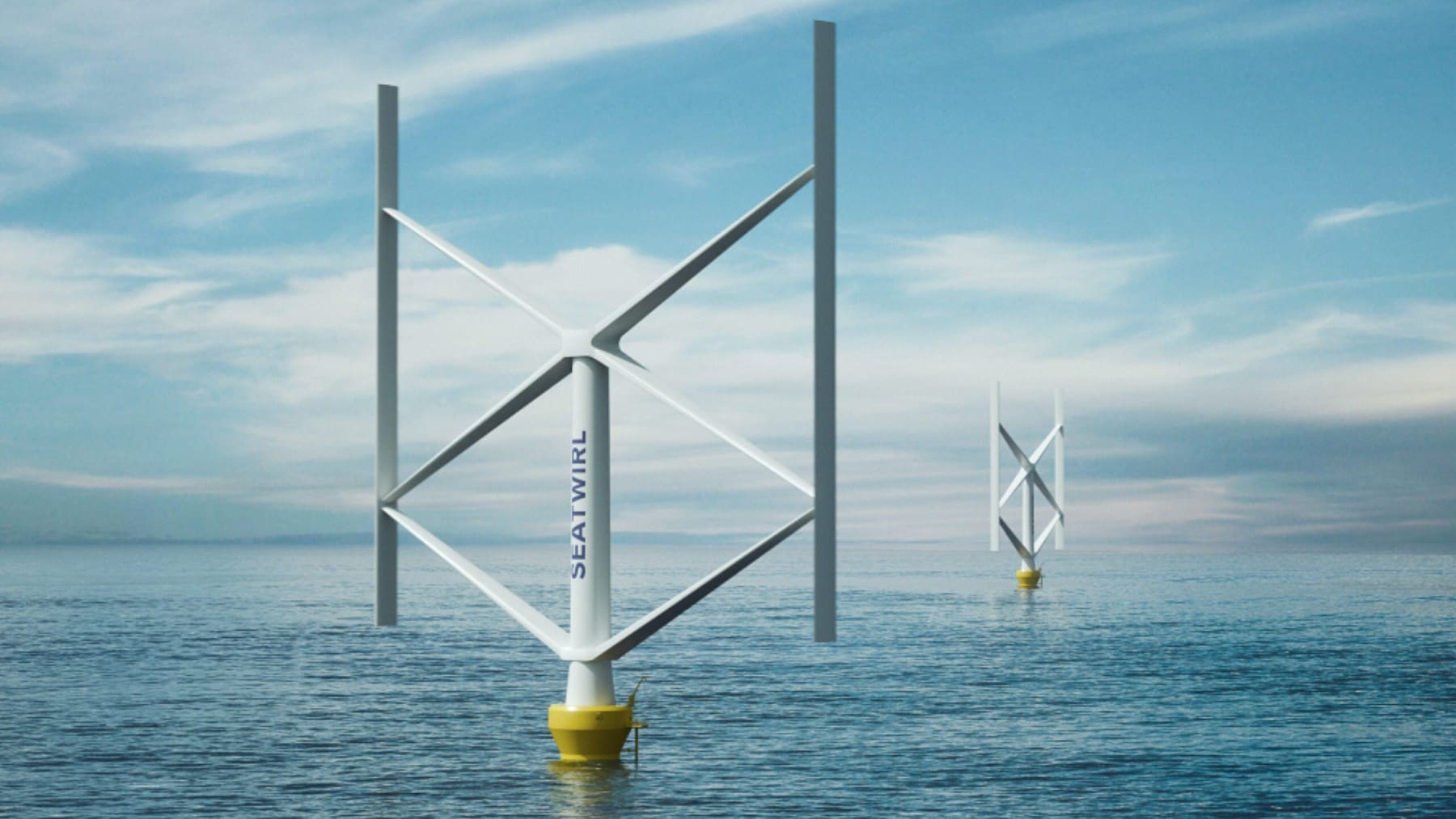 Credits: SeaTwirl
Some people believe you should not fix something if it ain’t broken, but what if it doesn’t work as intended anymore? This is the case with most traditional technologies, as they still work but have shortcomings. This is why Sweden is betting on wind “hydroturbines,” something beyond conventional systems but can produce up to 6 MW above the water for 30 years, even during storms. These unconventional turbines are favored by the Swiss for many other reasons.
Sometimes ‘traditional’ does not work anymore
When it comes to Sweden, its people value clear, assertive communication, and, in general, are significant lovers of nature. This is why it should come as no surprise that 68% of the country’s total energy consumption is from renewable energies. According to a ScienceDirect report, the Swedish Government has set a goal to achieve 100% renewable energy production by 2040.
However, traditional wind power may not be this country’s biggest contributor to its total renewable capacity, mainly due to local impact and public perception. This source also presents shortcomings. According to Statkraft, the following proves that ‘traditional’ wind production will not work in Sweden:
This is why Sweden bets on wind “hydroturbines,” as these hydro installations will be the best way for the country to achieve its energy goals.
- Noise pollution
- Habitat disruption
- Visual pollution
- Lower property values due to pollution and habitat disruption
- Intermittency of onshore installations
- Location and transmission limitations
This is why Sweden bets on wind “hydroturbines,” as these hydro installations will be the best way for the country to achieve its energy goals.
Sweden bets on wind “hydroturbines”
Sweden is a global leader in the renewable sector, boasting a variety of renewable energy installations, including its hybrid wind and solar park. However, a Swedish company called SeaTwirl has taken its interest in wind energy far offshore, with a special focus on manufacturing unique vertical-axis wind turbines (VAWTs) for energy production.
The company’s hydroturbines have been successful in their two test installations, with a special proposal currently under development. The proposed S3 model, which is the company’s biggest turbine, will have a primary functionality of providing power for big applications, such as:
- Offshore asset electrification
- Wind farms
- Power for islands
- Power for remote locations
Up to 6 MW above water for 30 years and more
SeaTwirl’s S3 wind hydroturbine will have a height of 127 m above sea level. The turbine itself will be 128 m in diameter, with a 102 m rotor blade. The S3 will have a rated power ranging between a minimum of 4 MW and a maximum of 6 MW. What makes it even more beneficial is that it is intended to operate in extreme wind conditions of 50 m/s, enduring 70 m/s wind gusts.
The S3 VAWT hydroturbine is presently in the developmental phase, and the company is pursuing a variety of commercial efforts. SeaTwirl signed a feasibility study agreement this month, which will focus on providing power for fish farms in Chile. This study is predicted to be completed in 2026.
Additional benefits of SeaTwirl offshore wind hydroturbines
- Simpler manufacturing and installation
- Easy maintenance
- More affordable
- Reduced visual pollution
- No noise pollution
- Reduced impact on valuable land
- Clean power production
- Reduced impact on habitats and animal life
- Ability to function in deeper water
- Higher stability
- High scalability
- Versatility in application
- Higher power density
As the Swiss company continues to develop the S3 VAWT hydroturbine, one thing is certain for the country: Traditional turbines may soon become irrelevant, especially as SeaTwirl continues to achieve more success and reach new heights with its wind hydroturbines. Furthermore, these turbine designs, once commercially in production, will not only help Sweden achieve its climate goals more quickly but will also decrease the global carbon footprint. Sweden is also switching its focus to nuclear power, as Vattenfall chooses a list of potential vendors for the Swiss SMR nuclear projects.
Disclaimer: Our coverage of events affecting companies is purely informative and descriptive. Under no circumstances does it seek to promote an opinion or create a trend, nor can it be taken as investment advice or a recommendation of any kind.
Anke Maree is a writer with a clear and engaging editorial style. Her work focuses on making complex topics accessible, informative, and relevant for readers across different areas of interest.
