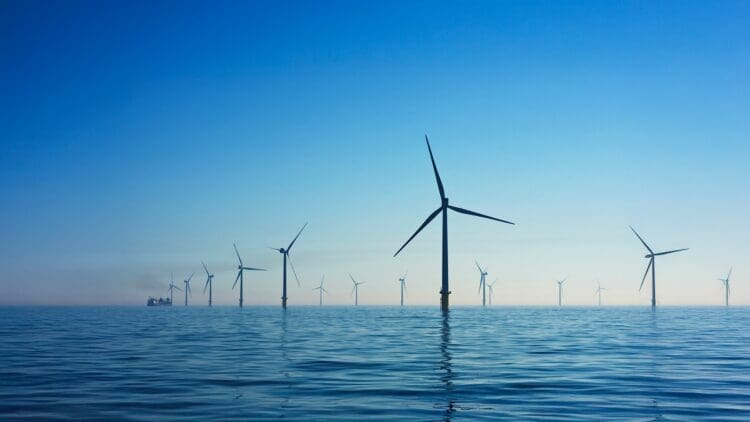

In a world that has been developing initiatives to advance renewable energy projects, the European Commission stands at the top of the proverbial approval mountain. The EU has recently added five new renewable energy projects to its CB RES list. CB RES projects are identified as renewable energy projects that span across more than one European nation, and once added to the CB RES list, can apply for funding from the European Commission. The Liivi Bay offshore wind project in Estonia has been selected as one of the five projects added to the EU CB RES list.
Wind energy generation can transform the international energy market
The world has relied on fossil fuel-based energy generation for decades, leading to the current climate crisis that has enveloped the world. With the latest Earthquake in Japan at the forefront of our collective minds, it has become abundantly clear that action needs to be taken to develop a more welcoming environment for the renewable energy sector.
To advance the renewable energy sector, the European Commission has added five new renewable energy projects to its CB RES list, enabling said projects to apply for significant funding under the CB RES window of the CEF Energy programme. Europe has become an open destination for the renewable energy market thanks to its substantial financial support.

Estonia’s Liivi Bay offshore wind project is one of five new renewable energy projects added to the CB RES list
The five renewable energy projects span across the European continent, and once operational, will provide vast amounts of clean energy to national grids that do not require the use of oil or gas. The Liivi Bay offshore wind project aims to construct a massive wind farm in the Baltic Sea. The farm will be built in Estonian waters in the Gulf of Riga region and is expected to add 1 GW of installed electricity to the nation’s grid by 2031.
Another renewable energy project that has been added to the EU’s CB RES list is the Utilitas Eleja-Jonišķis Wind Park, which spans the Latvian-Lithuanian border. The cross-border wind project will reach an astonishing 200 MW of capacity once operational by 2028. The project establishes a cooperative relationship between the two central European nations.
The Comprehensive Offshore Renewable Energy Studies (CORES) project aims to develop a framework for future cross-border deployment of wind energy assets in Portugal and Luxembourg. It will assess the viability of offshore wind projects between the nations and pave the way for a cross-border relationship that will benefit both Portugal and Luxembourg.
Europe has become a welcoming destination for the offshore wind energy market
As a myriad of European nations aim to increase their wind energy generating capacity over the coming years, the EU will have the exceedingly challenging task of assessing the wind energy projects that may foster cross-border cooperation across the renewable energy sector. Poland has recently made progress on its inaugural wind farm, exemplifying the positive sentiment for clean energy in the European continent.
Developing the wind energy market in Europe can shift the global energy sector to clean energy
The world has languished in its embrace of clean energy projects. Some parts of the world have embraced the energy-generating potential of the renewable energy market, such as Europe with its CB RES list, while other regions, such as the United States, have been actively rolling back wind energy projects. The need to integrate more renewable energy into national grids has led to several nations outlining plans to develop wind energy projects at an astonishing rate, such as Romania’s Gurbanesti wind project, backed by Greenvolt and supplied by GE Vernova.