
Charps LLC receives CalFire approval to offer hydrostatic pipeline testing services in California
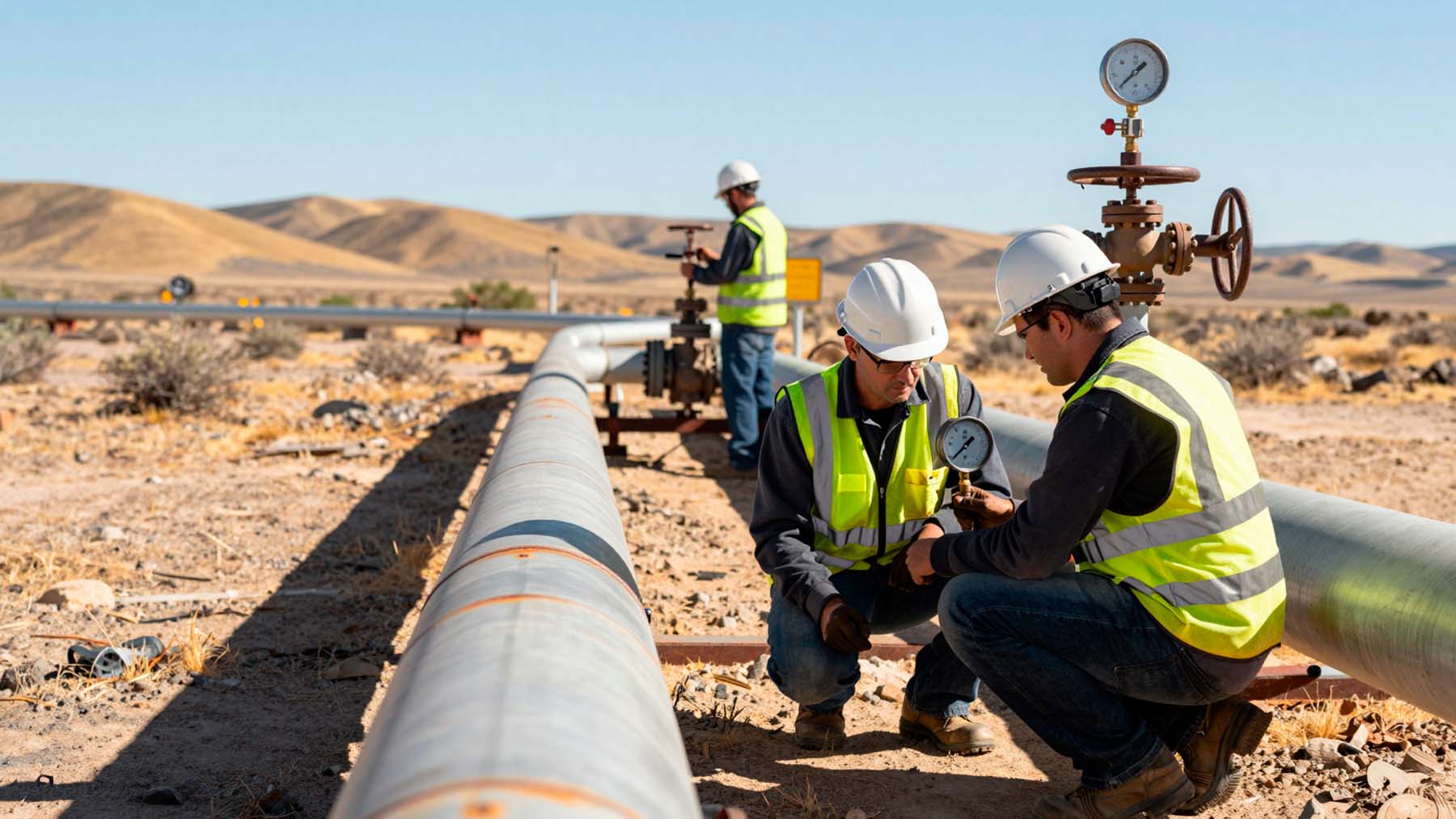 AI-made
Charps LLC just received official designation as an approved hydrostatic testing company by the California Department of Forestry and Fire Protection (CalFire). That makes the North American pipeline contractor a state-authorized provider of hydrostatic testing services in California. The designation was confirmed earlier this month.
Charps earns CalFire designation as an approved hydrostatic testing company
What this means practically: Charps is now formally eligible to provide hydrostatic testing services to pipeline operators across California. That eligibility wasn’t handed over easily — the company had to prove it has the in-house expertise and resources specifically required for pipeline integrity testing.
A big part of meeting CalFire’s criteria was Charps LLC’s pressure testing service range, which covers hydrostatic test planning and full execution—the end-to-end workflow regulators want handled by a single, accountable provider. It’s a turnkey capability, and that’s exactly what the state was looking for.
For pipeline operators in California, the practical impact is straightforward: they now have access to Charps’ full suite of hydrostatic testing services.
Charps operates across North America, delivering construction, maintenance, integrity, and emergency response services to pipeline clients. That breadth of operational experience gave the company a solid foundation going into the approval process and a compelling portfolio to put in front of state reviewers.
Why California’s approval process is stricter than other states
California doesn’t play by the same pipeline safety rules as most other US states. Its requirements are more rigorous, which means the list of CalFire-approved hydrostatic testing vendors stays short and highly specialized—getting on that list is a genuine achievement for any contractor.
To support its application, Charps leaned on decades of operational history. Project records and customer testimonials were brought to the table, documentation that backed up a track record of reliable, high-quality pipeline integrity work across North America.
That combination of experience and evidence matters in a process this selective. California isn’t just checking boxes — it’s vetting companies that’ll be trusted with infrastructure directly affecting public safety and environmental outcomes. The bar is high, and Charps cleared it.
What the approval means for California pipeline operators
For pipeline operators in California, the practical impact is straightforward: they now have access to Charps’ full suite of hydrostatic testing services. That includes real-time monitoring, leak detection, and digital reporting, all delivered through PipeSense, a Charps subsidiary.
PipeSense develops, designs, and implements technology-driven pipeline leak detection and monitoring services. Its flagship product is PipeTest, a 360° hydrotesting platform built around advanced dynamic pressure pulse technology.
PipeTest delivers pressure trending and instant stabilization insights directly to customer dashboards, along with real-time, AI-driven leak detection data. Operators get faster, clearer information during testing windows rather than waiting on post-test analysis—the goal being to cut downtime and support sharper decision-making.
Charps and PipeSense are also exploring pressure test mobile trailer deployment in the California market. Designed for rapid on-site mobilization, these trailers would serve as self-contained operational hubs for hydrostatic testing, bringing the full setup directly to the pipeline site.
California’s pipeline safety context and Charps’s role in it
California is under heightened scrutiny when it comes to energy infrastructure. State and local authorities are actively working to balance energy supply needs with environmental protection — a tension that makes pipeline integrity a particularly sensitive issue.
Leaks or structural failures carry consequences well beyond operational disruption. In California’s regulatory and environmental climate, the pressure on operators to demonstrate safe, compliant infrastructure is significant and ongoing.
CEO Joe Van Vynckt spoke directly to what this approval means. “This is a huge development for us here at Charps,” he said, “as this new certification creates opportunities to explore the West Coast market with backing from the state.” He also framed it as meaningful for the local market itself, noting that California’s pipeline operators are navigating a real balancing act between energy delivery and environmental responsibility.
Van Vynckt added that as a CalFire-vetted supplier, Charps aims to give “operators, regulators, and local communities the confidence that they are well looked after and that the flow of key resources can continue without disruption or fear.” It’s a direct positioning statement—Charps isn’t just selling a service; it’s presenting itself as a long-term resource for the region’s pipeline safety ecosystem.
Real-time monitoring with AI assistance
Here’s what this all adds up to, in plain terms.
Charps LLC is now officially on CalFire’s list of approved hydrostatic testing companies—a designation that required demonstrating in-house expertise, a full pressure testing service range, and a documented track record. California’s standards are stricter than most states, so the approved vendor list is limited by design.
Pipeline operators in California can now tap into Charps’ turnkey hydrostatic testing services, backed by PipeSense’s PipeTest platform: real-time monitoring, AI-assisted leak detection, and digital reporting delivered through a technology stack built specifically for this kind of work.
Mobile trailer deployment is also being explored in the state, which would expand on-site testing capacity further. With CEO Van Vynckt citing West Coast market opportunities as a direct outcome of the certification, it’s clear Charps sees this approval as a strategic foothold—not just a compliance milestone.
For California’s pipeline infrastructure, adding another vetted, technology-equipped testing provider is a practical step toward the kind of ongoing integrity assurance the state’s regulatory environment demands.
Kelly is an experienced writer with 15 years of experience exploring the big stories that shape our world, from tech breakthroughs and space exploration to climate, energy, and the fascinating quirks of science. She has a talent for turning complex ideas into sharp, memorable insights that stay with readers long after they’ve finished reading.
