
JAPEX and JOGMEC launch consortium study to assess exploration potential in Indonesia’s North Sumatra Basin
 AI-made
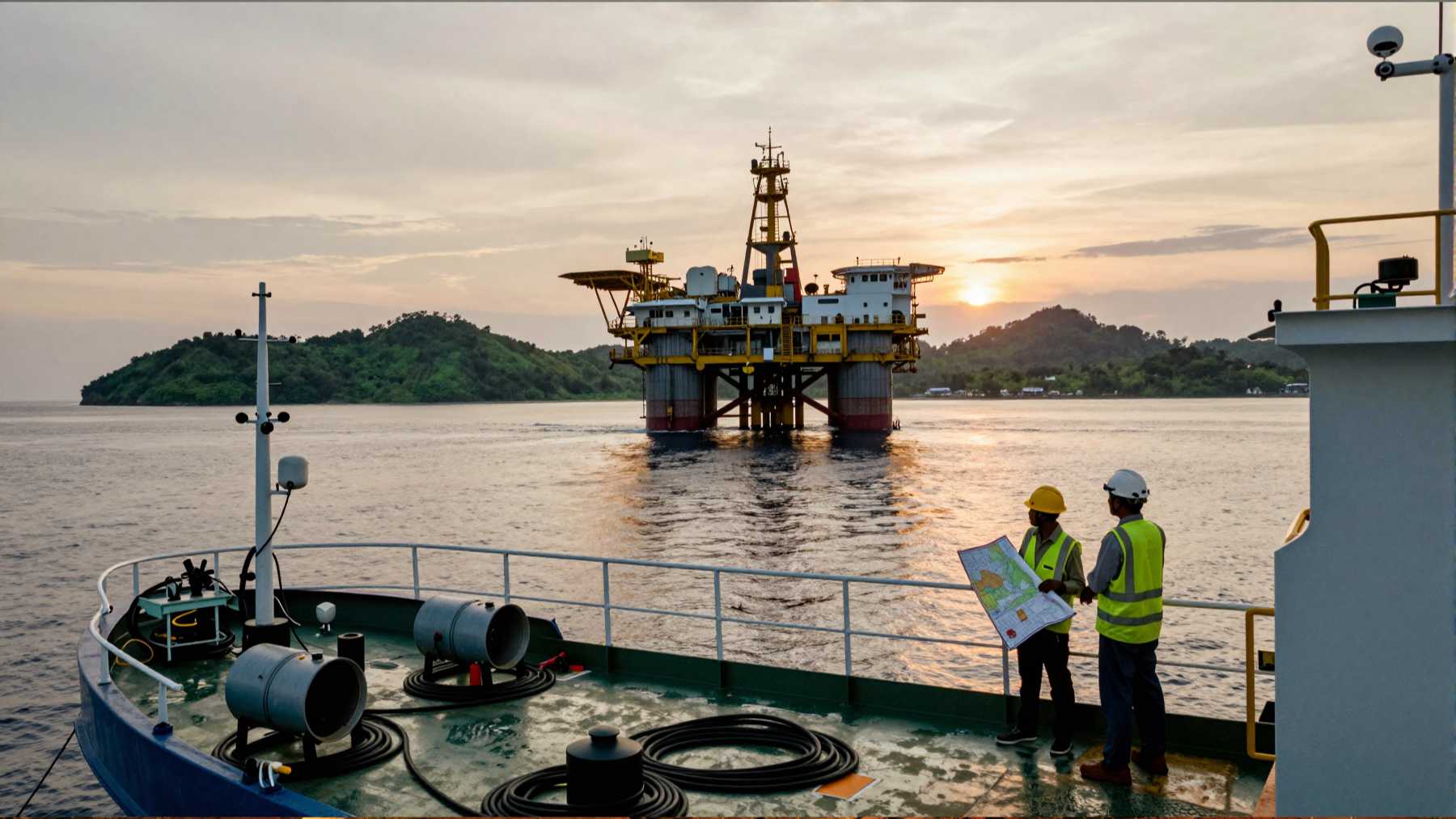
Japan Petroleum Exploration Co. (JAPEX) has announced a consortium study to evaluate oil and gas exploration potential in Indonesia’s North Sumatra Basin. The effort brings together JAPEX, the Japan Organization for Metals and Energy Security (JOGMEC), and Padjadjaran University, a state institution in Indonesia. Field surveys and data analysis will cover both offshore and onshore areas of the basin.
JAPEX announces North Sumatra Basin exploration study
JAPEX made the announcement after discussions with relevant Indonesian authorities — meaning the groundwork was laid through formal government-level engagement before anything went public. The study targets both offshore and onshore areas of the North Sumatra Basin. This isn’t a narrowly scoped survey. It’s a broad evaluation of the whole picture.
The consortium structure is worth paying attention to. JAPEX leads the effort, while JOGMEC provides institutional and methodological support. Padjadjaran University—known locally as UNPAD, a respected Indonesian state university—brings regional academic expertise into the mix. That setup blends Japanese energy sector experience with on-the-ground knowledge of the basin’s geology in a way that’s genuinely practical rather than just diplomatically convenient.
The consortium isn’t starting from scratch—they’re working within a structured, credible approach that already has institutional traction.
Why the North Sumatra Basin was selected
The North Sumatra Basin isn’t a blank slate. It’s a historically significant oil and gas-producing area, with a track record stretching back generations. That history alone wouldn’t justify a new study—but recent activity in the basin has shifted the calculus considerably.
Large-scale gas field discoveries have continued in recent years, according to JAPEX’s announcement. That ongoing discovery activity points to meaningful resource potential still sitting in the ground, and JAPEX and its partners believe further undiscovered resources are likely present. That’s the core rationale driving this effort.
The study’s methodology leans on an established framework. JOGMEC runs a recognized scheme for overseas geological and geophysical surveys, built around cooperative relationships with foreign governments, national oil companies, and major international energy players. The consortium isn’t starting from scratch—they’re working within a structured, credible approach that already has institutional traction.
What the study will involve
The study covers both onshore and offshore portions of the North Sumatra Basin. Field surveys will be conducted across both areas, followed by geological and geophysical data analysis—a combination that’s standard for exploration assessments at this scale. The goal is to build a clearer picture of what resources may exist and where.
JOGMEC’s cooperative framework does a lot of heavy lifting here. Its established relationships with foreign governments and national oil companies help facilitate data access and local cooperation, the kind of thing that could otherwise take years to negotiate independently. Structuring this as a consortium rather than a solo JAPEX operation provides a real practical edge on that front.
UNPAD’s involvement adds another layer. Researchers who know the basin’s geology and the broader Indonesian energy landscape can provide context that raw field data alone can’t. It also reflects something worth noting: Japanese energy companies have been building academic partnerships across Southeast Asia as part of their long-term regional engagement, and this study fits that pattern.
Indonesia’s role in JAPEX’s long-term strategy
This study doesn’t exist in a vacuum. It fits directly into JAPEX’s stated strategic direction for the next decade.
In April 2026, JAPEX formulated its Management Plan 2026–2035, which explicitly designates Southeast Asia—Indonesia included—as one of the company’s core areas. The stated goal is to build a portfolio of core assets and pursue revenue growth by creating businesses that leverage technologies JAPEX has developed and refined in Japan.
Indonesia is a logical focus for that ambition. It’s one of Southeast Asia’s largest energy markets, with an established oil and gas sector and active exploration across multiple basins. The North Sumatra Basin, given its history and recent discovery activity, fits the profile of exactly the kind of area JAPEX would prioritize under its new strategic framework. The technology angle matters too — JAPEX has signaled it wants to apply domestically developed expertise overseas, positioning itself not just as a capital investor but as a technical contributor. That distinction can set JAPEX apart from competitors who mostly bring financing to the table.
Incorporating local academic expertise through UNPAD
The JAPEX-JOGMEC-UNPAD consortium study is a structured, multi-partner effort to assess whether the North Sumatra Basin holds additional undiscovered oil and gas resources. The basin’s producing history, combined with continued large-scale gas field discoveries in recent years, gives the partners solid reason to believe more is out there.
The study will run onshore and offshore field surveys using JOGMEC’s established overseas survey framework, then incorporate local academic expertise through UNPAD. Geological and geophysical data analysis will determine whether further exploration steps make sense.
For JAPEX, all of this lines up directly with the Management Plan 2026–2035, which identifies Southeast Asia as a core region for asset development and revenue growth. Indonesia sits at the center of that strategy. The North Sumatra Basin study is an early, concrete step in putting that plan into action.
Kelly is an experienced writer with 15 years of experience exploring the big stories that shape our world, from tech breakthroughs and space exploration to climate, energy, and the fascinating quirks of science. She has a talent for turning complex ideas into sharp, memorable insights that stay with readers long after they’ve finished reading.
