
Duke Energy Florida completes 74.9-megawatt Bailey Mill Solar Center in Jefferson County, projected to save customers $250 million
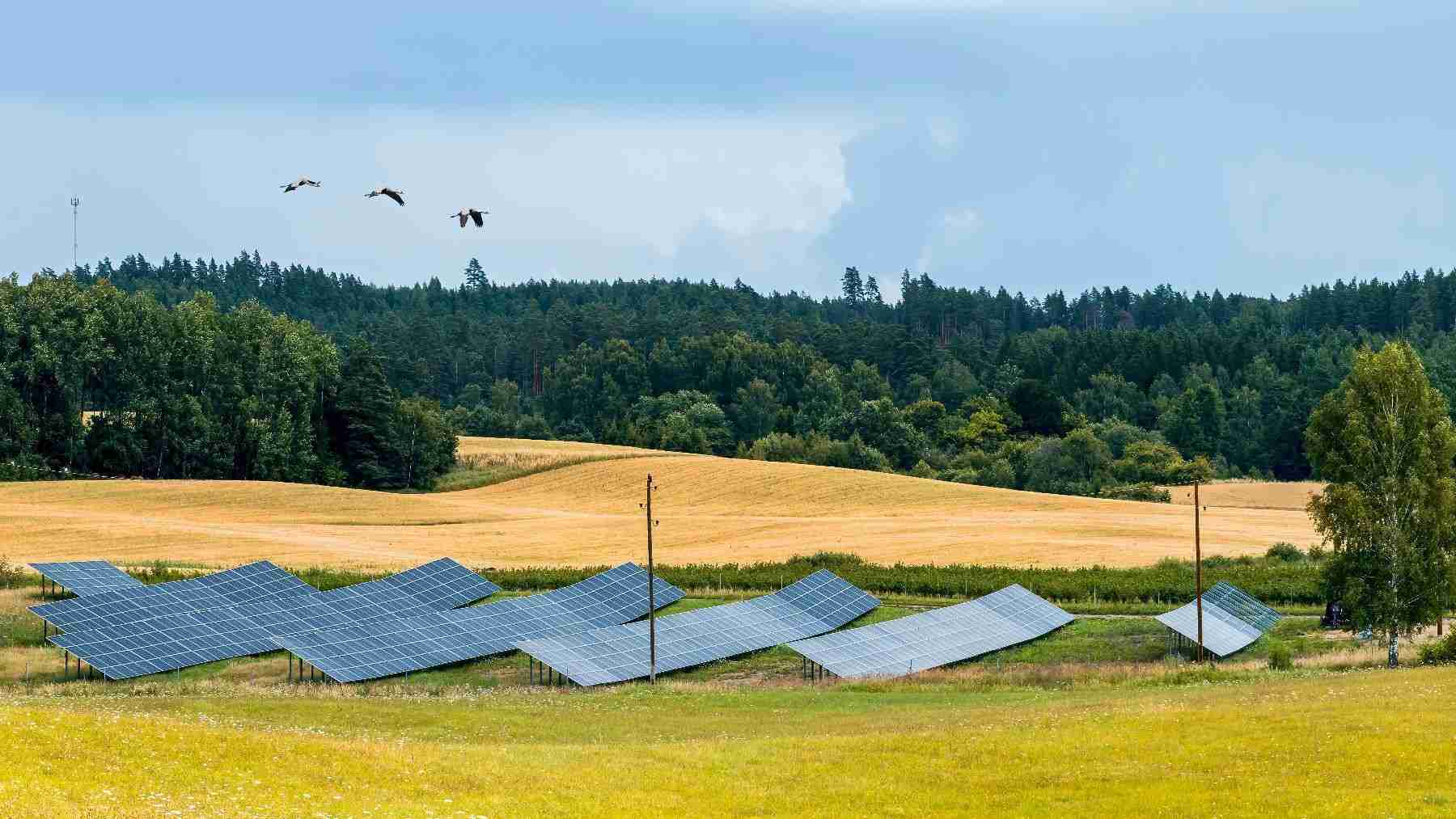
Duke Energy Florida just finished building the Bailey Mill Solar Center near Monticello, in Jefferson County. The facility’s 163,000 solar panels can generate up to 74.9 megawatts of electricity — enough to power around 15,000 homes — and do it without carbon emissions or noise. Duke Energy Florida owns and runs the site, which recently came online as one of five solar projects the company has wrapped up since 2025.
Bailey Mill Solar Center comes online in Jefferson County
That 74.9-megawatt figure is worth a second look. It’s peak output — the maximum the site produces under ideal conditions — and at that level, Bailey Mill’s 163,000 panels can run roughly 15,000 homes at once without burning a single cubic foot of fuel or making a decibel of noise.
The facility sits near Monticello, a small city in Florida’s northern panhandle. Duke Energy Florida owns, operates, and maintains it. The site recently came online as part of a broader push to add carbon-free generating capacity to the state’s grid, though the company’s ambitions extend well beyond this single installation.
Natural gas in particular is the primary fuel Duke Energy Florida would otherwise use to meet demand, making those displacement figures especially significant.
Why Duke Energy Florida built the facility
Florida keeps growing — in population, in development, in electricity demand. More residents and businesses put more pressure on the grid, and utilities have to plan years ahead to keep supply from falling behind.
Solar offers one specific financial advantage: it displaces fuel. When the sun powers homes and businesses, Duke Energy Florida doesn’t have to burn natural gas to do the same job. That matters to customers directly, because fuel costs aren’t something the company absorbs — they pass straight through to your bill. Less fuel purchased means lower charges on your statement, which is why Duke Energy Florida has set a target of more than 5,500 megawatts of utility-scale solar capacity by the end of 2033.
Projected savings and environmental impact for customers
The headline number tied to Bailey Mill is $250 million — the projected savings in fuel costs for customers over the site’s lifetime. That’s not a guarantee, but it reflects the expected value of displacing fossil fuel generation across the facility’s operational years.
At peak output, the site will displace 1.2 million cubic feet of natural gas, 15,000 barrels of fuel oil, and 12,000 tons of coal annually. Natural gas in particular is the primary fuel Duke Energy Florida would otherwise use to meet demand, making those displacement figures especially significant.
Duke Energy Florida state president Melissa Seixas put it plainly: “Every solar site we bring online reduces the amount of fuel we need to purchase, and those savings go directly to our customers’ bills.”
The company also frames its solar buildout in cumulative terms. For every four solar sites completed, its 2 million customers collectively save an estimated $1 billion in fuel costs over service lifetimes. Bailey Mill, as one of five sites completed since the start of 2025, adds to that running total.
Duke Energy Florida’s broader solar expansion plan
Bailey Mill doesn’t stand alone. Duke Energy Florida already owns and operates more than 25 solar sites across the state, with a combined capacity of roughly 1,850 megawatts — a solid portfolio, but one the company is moving aggressively to grow.
Five sites have come online since the beginning of 2025, with Bailey Mill among them. Before the end of 2028, Duke Energy Florida plans to finish an additional 11 solar sites, continuing to build out its renewable holdings across the state.
The longer-term target is more ambitious still. By the end of 2033, the company projects it’ll have over 5,500 megawatts of utility-scale solar capacity online — nearly triple its current installed base of roughly 1,850 megawatts. That’s a substantial shift in how it generates power for 2 million customers across a 13,000-square-mile service area.
What the Bailey Mill project means in sum
Bailey Mill Solar Center is, at its core, a fuel-cost story as much as an energy story. The 74.9-megawatt facility near Monticello adds clean generating capacity to Duke Energy Florida’s grid while cutting the company’s dependence on purchased fossil fuels, and those savings flow directly to customer bills.
The $250 million in projected lifetime savings is the figure Duke Energy Florida is leading with. It reflects the company’s broader argument for solar: building these sites isn’t purely an environmental call — it’s a financial one. The more solar generation displaces natural gas, the less customers pay for fuel they never see.
With five sites completed since 2025, 11 more planned before 2028, and a 5,500-megawatt target set for 2033, Duke Energy Florida is treating this expansion as a core part of how it plans to serve a growing state. Bailey Mill is one data point in that trajectory. At 163,000 panels and a quarter-billion dollars in projected savings, though, it’s not a small one.
Kelly is an experienced writer with 15 years of experience exploring the big stories that shape our world, from tech breakthroughs and space exploration to climate, energy, and the fascinating quirks of science. She has a talent for turning complex ideas into sharp, memorable insights that stay with readers long after they’ve finished reading.
