
UK publishes draft legislation for permanent North Sea tax regime to replace Energy Profits Levy in 2030
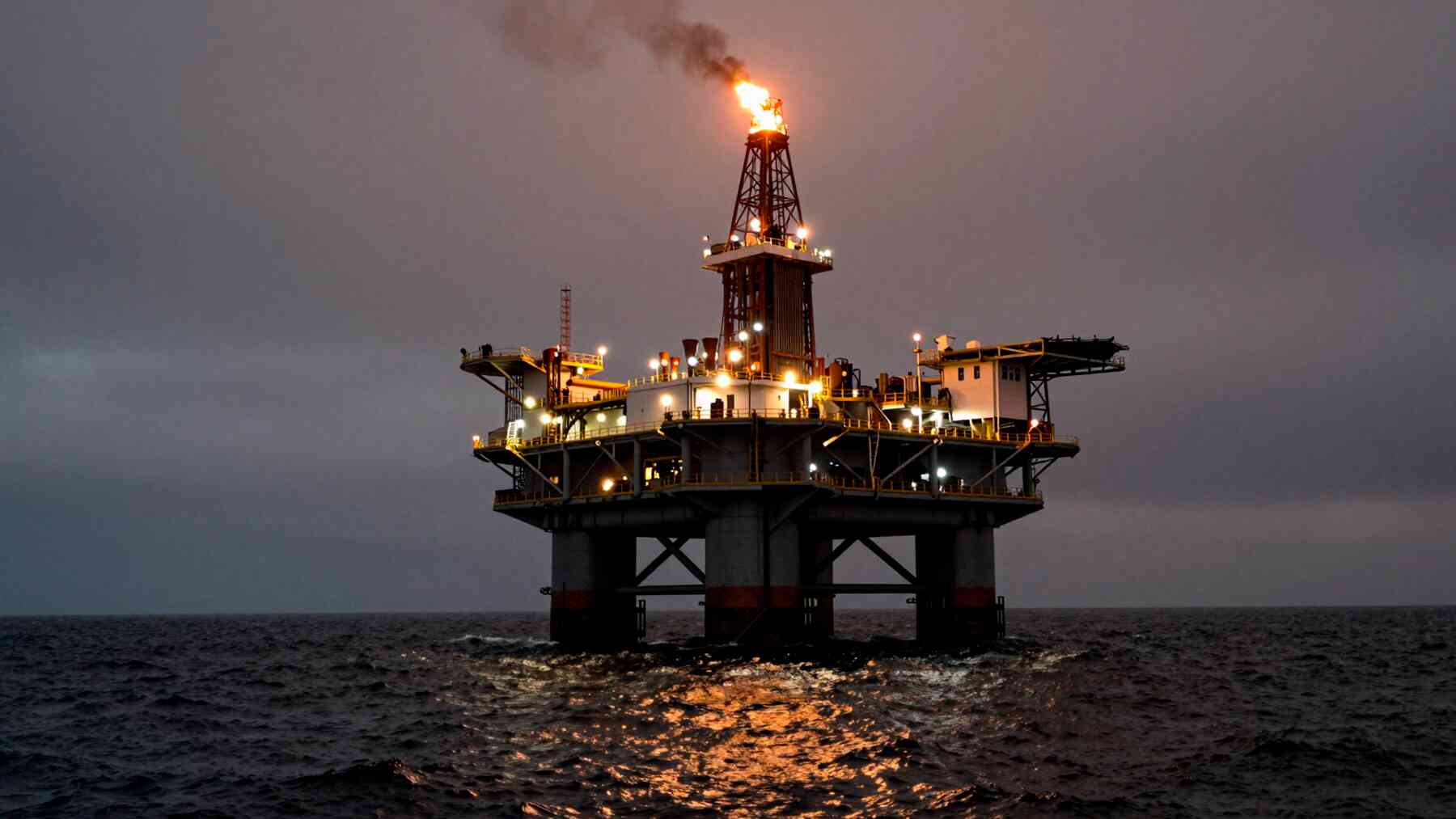 AI-made
The UK Government has published draft legislation for the Oil and Gas Revenue Levy (OGRL), the permanent tax framework that’ll take over from the Energy Profits Levy (EPL) when it expires in March 2030. Released ahead of the next Finance Bill, the legislation sets out how North Sea oil and gas operators will be taxed once the current windfall levy — long criticized for its impact on investment and jobs — comes to an end.
Government releases OGRL draft legislation ahead of finance bill
The draft formally names the regime the Oil and Gas Revenue Levy — previously referred to as the OGPM. That name change is minor compared to what the publication actually signals: the government is moving away from reactive, crisis-era taxation toward a structured, long-term framework for North Sea fiscal policy.
The OGRL comes into force when the EPL expires in March 2030, though there’s an earlier exit clause. If the Energy Security Investment Mechanism is triggered before that date, the new regime could activate sooner. Publishing the draft now — well ahead of the Finance Bill 2026-27 — gives the industry time to engage through technical consultation before the Chancellor finalizes the bill at the next Budget.
The EPL has been blamed for thousands of job losses in the North Sea sector, a significant blow to communities in Scotland and elsewhere that depend on the industry.
How the new levy is structured and what triggers it
The OGRL isn’t a flat tax. It only kicks in during periods of exceptionally high commodity prices — a key distinction from how many critics have characterized North Sea taxation in recent years.
Under the new framework, upstream oil and gas companies operating in the UK and on the UK Continental Shelf will pay a 35% levy on revenues generated above specific price thresholds. For 2026-27, those thresholds are set at $90 per barrel for oil and $1.21 per therm for gas. Both rise annually in line with inflation — they aren’t frozen, which the government says prevents the levy from becoming a drag on operators during normal or low-price market conditions.
The design is deliberate. The OGRL is meant to capture windfall revenues when prices spike, not to function as a permanent surcharge on all production. That framing is central to how the government is pitching this to both industry and the public.
Government says the regime balances fair taxation with investment certainty
The government’s stated goal with the OGRL is to thread a needle: make sure companies pay what it calls “their fair share of tax in times of high prices,” while also offering the kind of fiscal stability that encourages long-term investment. It’s a balance the North Sea sector has been pushing for.
In the government’s own words, the regime is designed to provide “a stable and predictable fiscal environment, supporting investment and jobs whilst capturing windfall revenues of energy companies.”
Energy Minister Michael Shanks addressed parliament directly. “We have been really clear that the energy profits levy comes to an end in 2030,” he said. “We have also put in place what the future of that scheme looks like to provide certainty for the long-term future.” Chancellor Rachel Reeves echoed that message, reminding MPs that the EPL was introduced by the previous government and confirming it’ll end at the close of this parliament. Publishing the OGRL framework now is part of that commitment — giving operators a clearer picture of what comes next before the EPL even winds down.
Background: The EPL and its impact on the North Sea sector
To understand why the OGRL matters, it helps to look at what the EPL has meant for the sector over the past few years. Introduced by the previous government as a windfall tax on oil and gas profits, it was a direct response to the surge in energy prices that followed Russia’s invasion of Ukraine.
The levy drew immediate criticism. Operators argued it created uncertainty, discouraged investment, and made the UK Continental Shelf less competitive against other jurisdictions — and those concerns weren’t just theoretical. The EPL has been blamed for thousands of job losses in the North Sea sector, a significant blow to communities in Scotland and elsewhere that depend on the industry.
Ministers have repeatedly committed to ending the EPL within this parliament, and the OGRL draft is the clearest sign yet that the government intends to follow through. Rather than simply letting the EPL lapse, it’s being replaced with a defined framework — one that still lets the state capture revenues during price spikes, but without the blunt, across-the-board structure that critics say damaged investment.
Thresholds that increase with inflation
Here’s what the OGRL draft legislation means in practical terms. The EPL ends in March 2030, or earlier if the Energy Security Investment Mechanism is triggered. At that point, the OGRL takes over, applying a 35% levy only when oil prices exceed $90 per barrel or gas prices exceed $1.21 per therm — thresholds that increase with inflation each year.
The draft is currently open for technical consultation, with the Chancellor set to finalize the Finance Bill 2026-27 at the next Budget. North Sea operators, industry groups, and other stakeholders can engage with the legislation before it’s locked in.
The government’s position is that the OGRL gives the sector the long-term certainty it’s been asking for, while preserving the state’s ability to collect a fair share when commodity prices surge. Whether industry agrees with that framing will likely become clearer once the consultation period gets underway.
Kelly is an experienced writer with 15 years of experience exploring the big stories that shape our world, from tech breakthroughs and space exploration to climate, energy, and the fascinating quirks of science. She has a talent for turning complex ideas into sharp, memorable insights that stay with readers long after they’ve finished reading.
