
America has 3.9 million abandoned oil and gas wells, and researchers found the heat inside could turn them into underground batteries for wind and solar
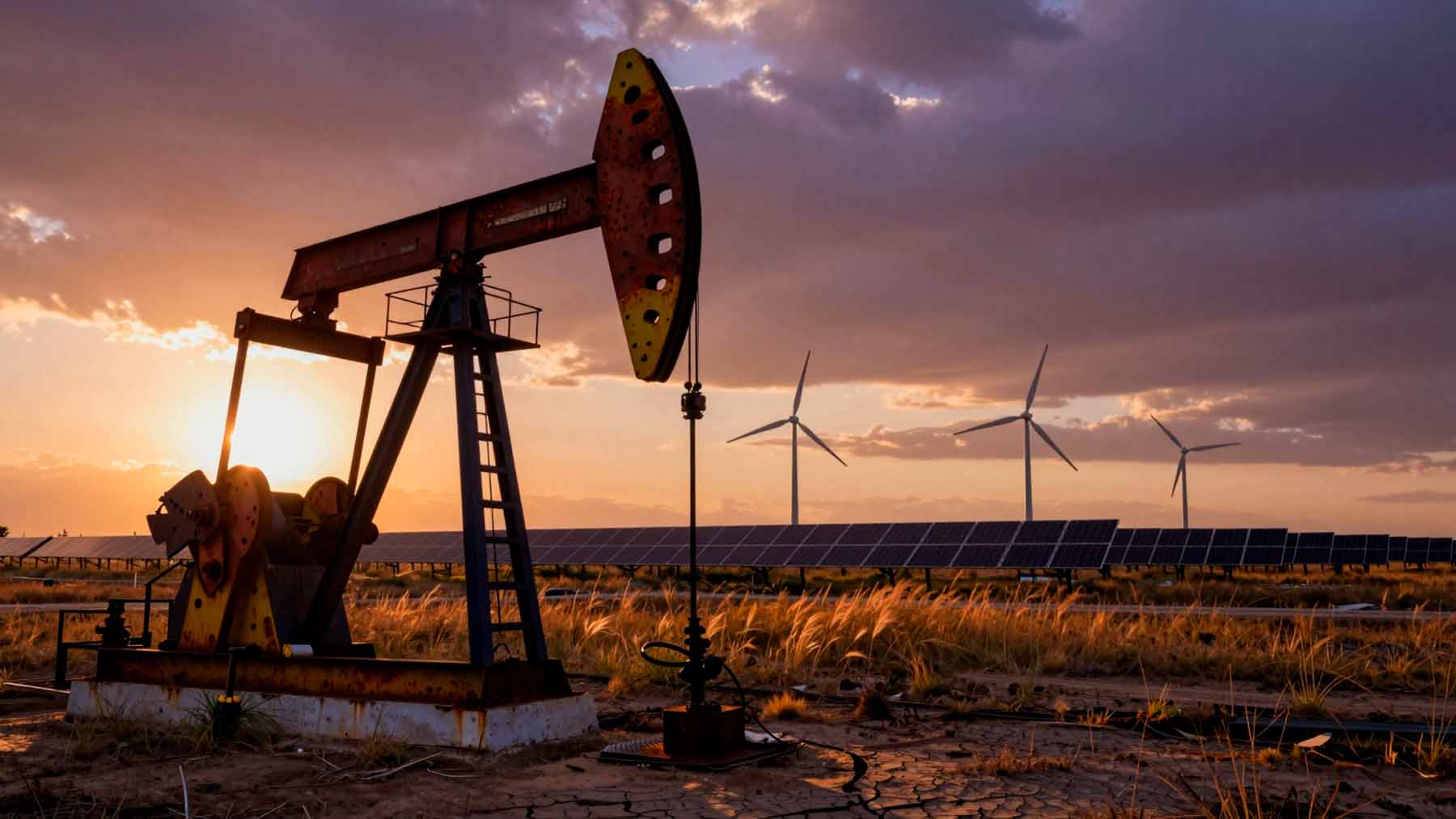 AI-made
They sit leaking, forgotten, and scattered across nearly every state.
They look like useless trash from our fossil fuel past. But an exciting new study suggests these rusty relics are hiding a secret second life.
As our power grid leans harder on green energy, an old problem keeps haunting us. What happens when the sun sets and the wind stops blowing?
Scientists at Penn State’s Repurposing Center for Energy Transition (ReCET) asked a simple question: What if we stopped drilling new holes and used old ones instead?
Researchers at Penn State think part of the solution is already buried right beneath our feet.
The renewable energy grid’s hidden weakness
Solar panels and wind turbines have transformed how we generate electricity. Yet they share one massive flaw: they only work when nature decides to cooperate.
The sun goes down every night. The wind slows to a whisper without warning. Human power demand does not care about weather forecasts.
Grid operators desperately need massive storage systems. These giant batteries must absorb excess energy during peak generation hours and feed it back out when the grid runs dry.
Without a reliable buffer, green power remains stuck in a dangerous cycle. It stays super strong on clear, breezy days but is totally unreliable when conditions change.
We have options like lithium-ion batteries and pumped water reservoirs. But high costs, land limits, and material shortages keep slowing them down.
Compressed-air energy storage (CAES) could fix this gap. Yet it has been stuck on the sidelines for decades—until now.
What is compressed-air energy storage—and what holds it back
The idea behind compressed air is surprisingly simple.
When solar and wind make extra power, you use that energy to pump compressed air down into subterranean rock formations. When power demand spikes, you release that trapped, high-pressure air. It rushes back up to spin turbines and generate instant power.
The science is rock-solid. The technology works in the real world. So why aren’t we using it everywhere? Money.
Building a brand-new facility requires drilling fresh wells thousands of feet into the ground. Those upfront drilling costs easily reach tens of millions of dollars per site. That price tag kills most projects before they ever start.
Scientists at Penn State’s Repurposing Center for Energy Transition (ReCET) asked a simple question: What if we stopped drilling new holes and used old ones instead?
Tapping geothermal heat from depleted wells
The Environmental Protection Agency estimates there are roughly 3.9 million abandoned oil and gas wells across the United States.
These are not shallow backyard holes. They plummet deep into hot rock layers where natural geothermal heat builds up over time.
That deep subterranean heat is a game-changer for compressed air.
Basic physics tells us that gases expand and gain pressure as they get hotter. If you push compressed air into a scorching underground rock chamber, the natural heat boosts the air pressure. Hotter wells do not just store energy—they supercharge it.
The Penn State team ran advanced computer simulations to test placing CAES systems inside old oil wells.
The results were crystal clear. Air stored inside heat-trapping wells reached far higher temperatures than air in standard storage setups.
“Without taking advantage of the geothermal setup, you could not get enough encouraging numbers,” explained lead researcher Arash Dahi Taleghani. The underground heat was not just a bonus—it was the secret ingredient.
A 9.5% efficiency gain — and what it means in practice
The geothermal-boosted system beat traditional setups by a whopping 9.5% in total energy efficiency.
That means operators get far more usable electricity back out for every single megawatt they pump down into the earth. In the energy market, a nearly 10% jump in efficiency translates directly into millions in added profits.
Taleghani called this boost a total game-changer for the industry.
When you combine that extra performance with zero drilling costs, the math changes instantly. Cheap setup costs paired with high daily output turn an expensive experiment into a cash-generating reality.
Instead of spending fortunes to build new infrastructure, energy companies can use pre-drilled holes to save millions upfront.
Beyond energy: Sealing leaks and sustaining communities
The benefits reach way beyond cheaper power grids.
Abandoned wells are a massive environmental headache. When left uncared for, they leak dangerous methane gas into the air and taint local drinking water. Pennsylvania alone harbors hundreds of thousands of these orphaned wells, according to the study “Reusing old oil and gas wells may offer green energy storage solution,” published by Penn State University in Science Daily.
Converting these wells into power storage units permanently seals them up. It stops methane leaks and protects local water supplies at zero extra cost to taxpayers.
It also helps local economies. Many old wells sit in rural towns built around oil and gas. Repurposing this equipment brings clean energy jobs back to fossil fuel communities without throwing away their history.
What comes next
Penn State’s DOE-backed team proves we do not need to tear down our past to build a green future.
The infrastructure is already dug. The geothermal heat is already boiling down below.
Which brings us back to those 3.9 million forgotten wells.
Why build expensive new power storage sites when America’s greatest clean energy secret has been sitting under our feet all along?
The smartest way to power our future isn’t digging from scratch—it’s turning yesterday’s dirty oil wells into tomorrow’s ultimate green energy batteries.
Kelly is an experienced writer with 15 years of experience exploring the big stories that shape our world, from tech breakthroughs and space exploration to climate, energy, and the fascinating quirks of science. She has a talent for turning complex ideas into sharp, memorable insights that stay with readers long after they’ve finished reading.
