
TotalEnergies approves investment decision for Abu Dhabi’s Umm Shaif Gas Cap project, targeting 600 Mcf/d by 2030
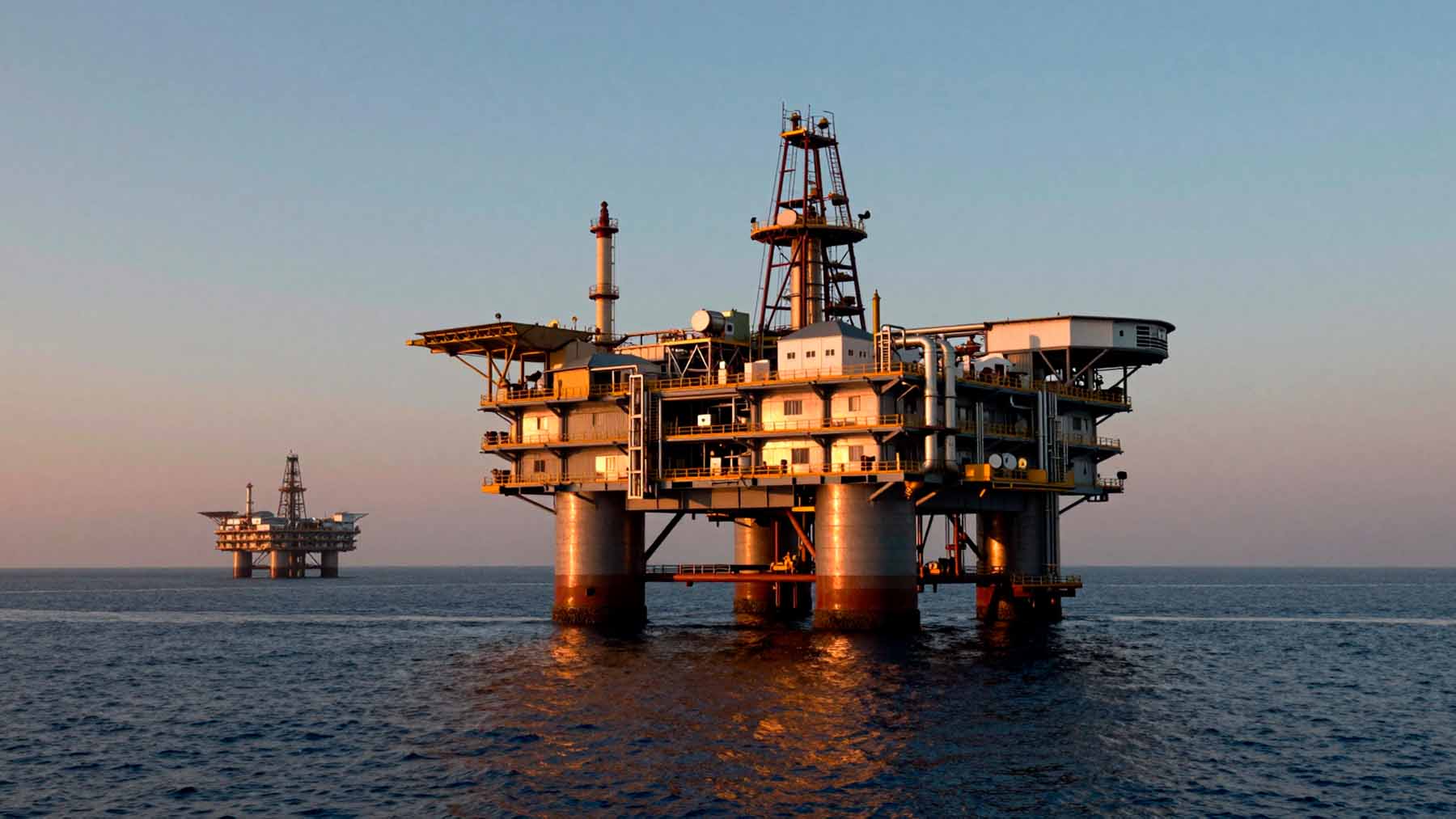 AI-made
TotalEnergies just gave the green light to the Umm Shaif Gas Cap development in Abu Dhabi. The target: more than 600 million cubic feet per day of gas production by 2030. The project sits inside the Umm Shaif and Nasr offshore concession, operated by ADNOC Offshore. TotalEnergies holds a 20% stake, alongside ADNOC (60%), CNPC (10%), and ENI (10%).
TotalEnergies greenlights Umm Shaif Gas Cap development
The final investment decision covers gas cap resources sitting directly above the existing oil reservoirs in the Umm Shaif and Nasr concessions. ADNOC Offshore operates the project, while TotalEnergies serves as asset lead—a technical role that puts the French energy company in direct charge of driving development alongside its partners.
The concession itself isn’t new. ADNOC awarded it back in 2018 for a 40-year term. What’s new is the formal commitment to develop the gas cap at scale, given that this layer of the reservoir had stayed largely untapped until now.
TotalEnergies says there’s potential to scale output up to 1.5 billion cubic feet per day in future phases — more than double the opening target.
The production target is ambitious but specific: more than 600 million cubic feet per day of gas by 2030, plus condensate recovery. That’s a significant volume for a single offshore development—and it’s set to land within this decade.
Why the gas cap is being developed now
Umm Shaif has been producing oil since 1962. It’s Abu Dhabi’s oldest offshore field. For decades, the gas cap sitting above those oil reservoirs was mostly left alone—developing it now makes sense for one straightforward reason: the infrastructure is already there.
By tying into existing offshore facilities, the project skips building from scratch. That cuts capital costs significantly and speeds up the path to first gas. It’s the kind of synergy that makes a project financially attractive even in a competitive upstream environment.
Emissions factor in too. Rather than relying on gas-fired generation offshore, the project draws clean power from the UAE grid, which directly limits the carbon footprint of operations — a consideration that increasingly shapes how large energy companies structure new developments.
Timing isn’t accidental. TotalEnergies CEO Patrick Pouyanné pointed to the recent award of the Bab Gas Cap concession as context, calling the Umm Shaif FID “another important step in developing Abu Dhabi’s significant gas resources.” The two moves together signal a deliberate push to unlock gas cap potential across multiple fields simultaneously.
Expected output and emissions profile
The 600 million cubic feet per day figure is initial production capacity, but the project is built with room to grow. TotalEnergies says there’s potential to scale output up to 1.5 billion cubic feet per day in future phases — more than double the opening target.
That scalability matters. The FID approved today isn’t just a standalone project; it’s the foundation for a much larger gas development if market conditions and reservoir performance support expansion.
On emissions, the design choices are deliberate. Shared facilities reduce the material and energy intensity of the whole operation. Grid power eliminates dedicated offshore power generation, which is typically one of the biggest emissions sources in offshore work. TotalEnergies describes the resulting resource as “low-cost and low-emissions”—language the company uses to position this within its broader upstream strategy beyond 2030.
Condensate recovery adds another layer of value. While gas is the headline product, condensate — a light liquid hydrocarbon produced alongside natural gas — generates additional revenue that improves the project’s overall economics.
Context: UAE’s long-term gas strategy and TotalEnergies’ role
The fact that Umm Shaif’s gas cap went undeveloped for so long isn’t unusual. Many of the world’s oldest oil fields were built when oil was the priority and associated gas was secondary. As the energy landscape shifts and domestic gas demand grows, those overlooked reservoirs are turning into attractive targets.
The UAE has been clear about where it’s headed. Growing domestic gas production and building an integrated gas value chain are stated strategic priorities. Projects like Umm Shaif Gas Cap fit directly into that plan—adding volume, leveraging existing assets, and reducing dependence on gas imports.
TotalEnergies‘ role as asset lead gives it more than a financial stake. It carries technical accountability for how the development gets executed, which aligns the company’s expertise with Abu Dhabi’s ambitions. That kind of operational involvement tends to deepen partnerships over time.
The 40-year concession term, running from 2018, also provides a long investment horizon. Phased expansion — from 600 million to potentially 1.5 billion cubic feet per day — becomes more viable when partners know they have decades to optimize and grow the asset.
Capacity could eventually scale to 1.5 billion cubic feet
TotalEnergies has taken a final investment decision on the Umm Shaif Gas Cap development, targeting more than 600 million cubic feet per day of gas production by 2030. ADNOC Offshore operates the project within a concession that also includes CNPC and ENI, awarded in 2018 for 40 years.
The development uses existing offshore infrastructure and UAE grid power to keep costs and emissions down. Initial capacity could eventually scale to 1.5 billion cubic feet per day. For TotalEnergies, it adds low-cost, low-emissions upstream production beyond 2030. For Abu Dhabi, it’s another concrete step in a broader push to expand domestic gas output and strengthen its integrated gas value chain.
Kelly is an experienced writer with 15 years of experience exploring the big stories that shape our world, from tech breakthroughs and space exploration to climate, energy, and the fascinating quirks of science. She has a talent for turning complex ideas into sharp, memorable insights that stay with readers long after they’ve finished reading.
