
New Champlain Hudson Power Express line delivers Canadian hydropower to New York during July 2026 heat wave
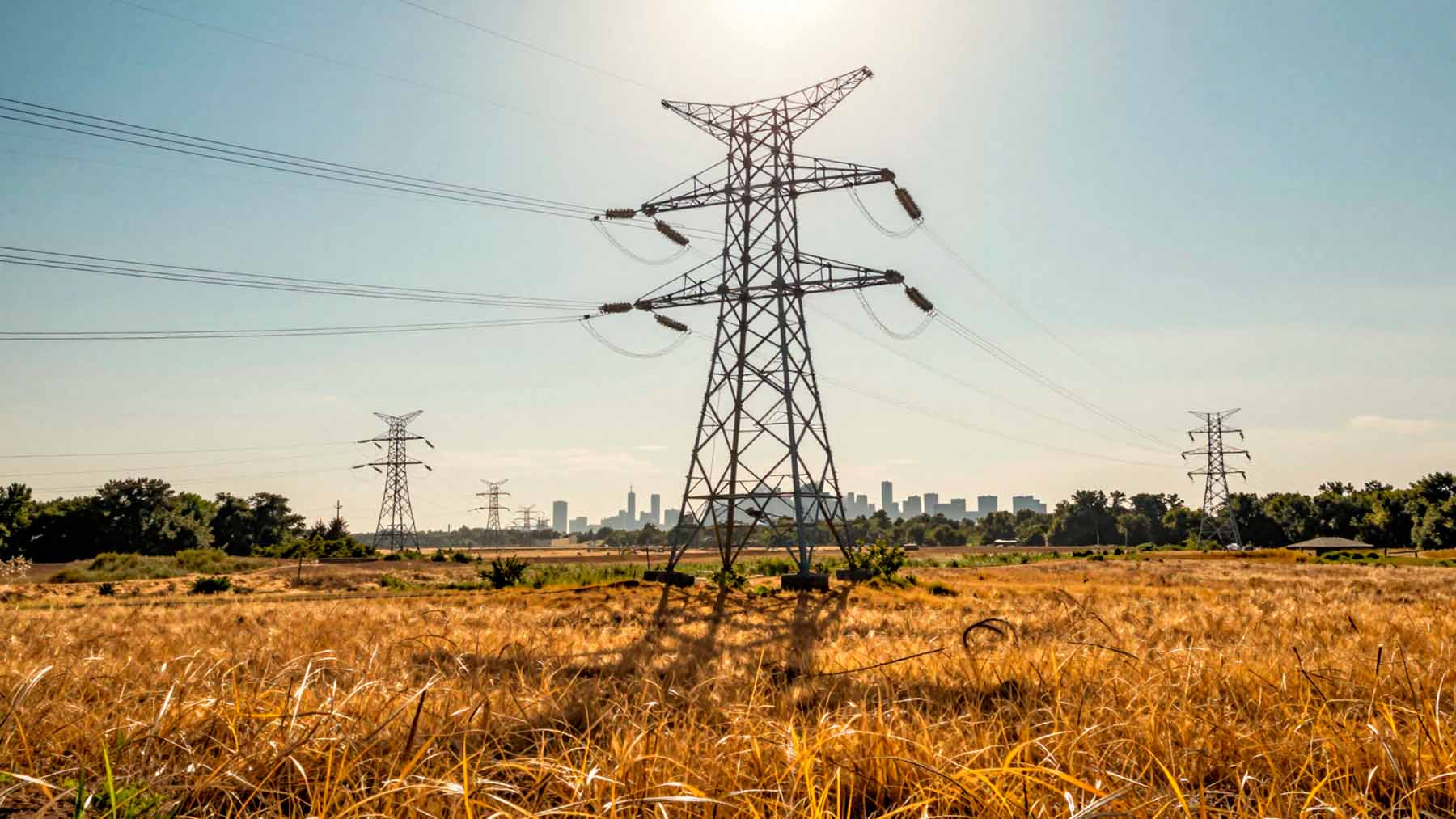 Image generated with artificial intelligence
On July 3, 2026, New York’s grid operator imported 52 gigawatt-hours of electricity from Canada—the highest single-day total since January 2025. Some of that power traveled through the Champlain Hudson Power Express, a new high-voltage transmission line connecting Hydro-Québec’s grid to New York City. The line had only reached commercial operations two months earlier, in May 2026.
Record Canadian imports flow into New York on July 3
That 52 GWh figure wasn’t a small bump — it was a real milestone. NYISO drew a daily average of 1,400 MW per hour from Hydro-Québec and 800 MW per hour from Ontario’s Independent Electric System Operator. Together, those Canadian imports covered 9% of NYISO’s total electricity demand on July 3.
The CHPE line ran at full capacity — its rated maximum is 1,250 MW, and the grid used every bit of it. Full utilization so soon after the line’s commercial launch shows how quickly it became a meaningful part of New York’s supply picture.
Those outages don’t erase what CHPE delivered on July 3, but they raise legitimate questions about reliability as the line settles into regular service.
That 9% figure deserves a closer look. On a calm day it might seem modest, but during a heat wave — when grid operators are scrambling to balance supply against surging demand — an extra 9% from a reliable, low-carbon source is far from trivial.
Heat wave drives peak electricity demand across New York
The reason Canadian power was so urgently needed comes down to one thing: heat. A strong heat wave pushed NYISO’s peak hourly load to 31,097 MW on July 2 at 7:00 PM. Substantial, though it stopped short of last summer’s peak of 31,857 MW, recorded on June 24, 2025.
The all-time NYISO record still stands at 33,956 MW, set in July 2013. The July 2026 peak didn’t break that mark, but it came close enough to put real pressure on grid operators managing supply across the region.
Elevated demand forces grid operators to pull from every available source. Domestic generation gets prioritized, but when it isn’t enough—or when cleaner, cheaper imports are on the table—cross-border electricity becomes a critical backstop. Canada played exactly that role during the first week of July 2026.
CHPE line begins commercial operations after three years of construction
The Champlain Hudson Power Express didn’t appear overnight. Three years of construction preceded its commercial operations launch in May 2026, and the U.S. Energy Information Administration has noted its progress. It runs from Hydro-Québec’s grid down into the NYISO network, with a rated capacity of 1,250 MW—the same capacity that was fully tapped on July 3.
The New York State Energy Research and Development Authority has projected that CHPE could eventually meet up to 20% of New York City’s power demand. That’s an ambitious target, and the July heat wave gave the line an early chance to prove its value under real conditions.
The line’s early record isn’t without complications, though. An outage occurred in June 2026, shortly after commercial operations began, and then — just one day after the July 3 peak import event — the line went offline again on July 4 for further repairs. New infrastructure, no matter how well-planned, often hits bumps in its first months of operation.
Those outages don’t erase what CHPE delivered on July 3, but they raise legitimate questions about reliability as the line settles into regular service. Grid operators and state energy officials will be watching closely through its first full summer season.
Declining Canadian imports and new transmission infrastructure provide context
To understand why July 3 stood out, it helps to know where Canadian electricity imports have been trending. In recent years, both NYISO and ISO-New England have pulled back on Canadian power—drought conditions have limited hydroelectric generation in Québec and elsewhere, leaving less surplus available for export.
That trend has made cross-border imports less of a given and more of an occasional resource, pushing grid operators in both regions to lean more heavily on domestic generation.
Both regions have also been investing in new infrastructure to reconnect with Québec’s hydropower potential. CHPE is New York’s version of that bet; ISO-New England has pursued its own high-voltage transmission projects toward the same goal. The logic is straightforward: if hydroelectric output in Québec recovers or expands, these new lines will be ready to carry that power south.
Increased precipitation and improved reservoir levels in Québec could reverse the recent decline in cross-border imports. Whether that happens depends on factors no grid operator controls — weather patterns, long-term climate trends, and what falls out of the sky in Canada.
What this means for New York’s energy future
The July 3 import record offers several clear takeaways. The CHPE line is operational and capable of delivering at full capacity when conditions call for it. Canadian hydropower remains a significant potential resource for New York, particularly during high-demand periods like summer heat waves. And the line’s early outages mean reliability will need close monitoring through its first full year of service.
More broadly, CHPE is a long-term infrastructure investment aimed at decarbonizing New York City’s power supply. Whether it hits its projected potential — meeting up to 20% of the city’s demand — will depend on both the line’s operational reliability and the availability of surplus hydroelectric generation in Québec in the years ahead.
Kelly is an experienced writer with 15 years of experience exploring the big stories that shape our world, from tech breakthroughs and space exploration to climate, energy, and the fascinating quirks of science. She has a talent for turning complex ideas into sharp, memorable insights that stay with readers long after they’ve finished reading.
