
Biologists studying a glowing ocean bacterium feared for cholera suddenly found it generating hydrogen at volumes no one thought possible
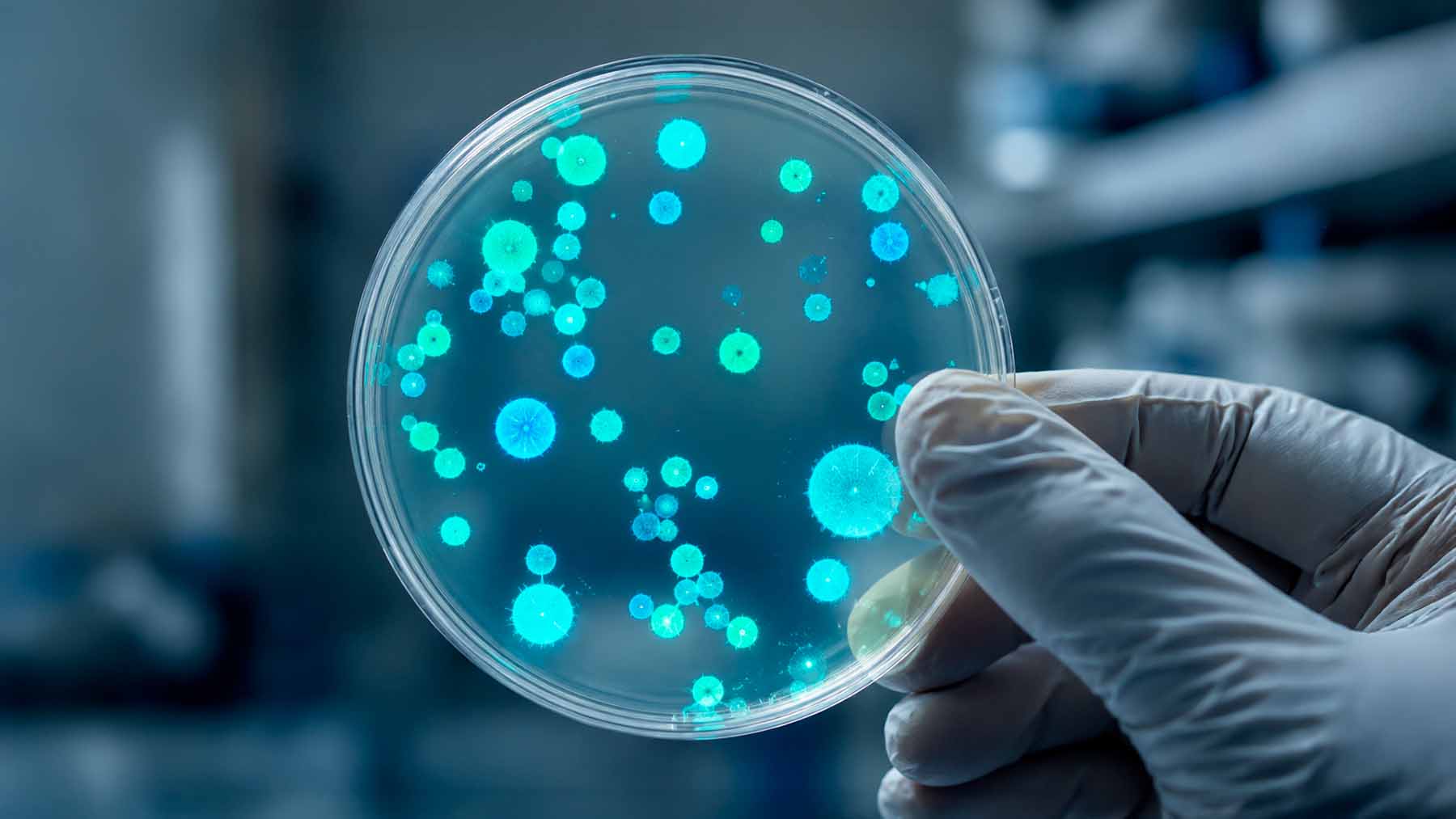 AI-made
For thousands of years, Vibrionaceae bacteria have lit up the ocean surface. They are also famous for harboring one of humanity’s most feared diseases. For most scientists, that was the entire story.
Then a team of marine biologists stumbled onto something completely unexpected. Hidden deep inside these ocean microbes was a biochemical mechanism operating in the dark. It had nothing to do with emitting light or causing disease.
An unlikely candidate for clean fuel
Vibrionaceae occupy a unique spot in microbiology. The family is famous for two traits. Some species emit an eerie blue glow in deep ocean waters. Another member, Vibrio cholerae, causes fatal cholera outbreaks. Neither feature made them obvious candidates for bioenergy research.
The microbes weren’t trying to generate fuel; they were furiously pumping out hydrogen just to flush out toxic waste so they wouldn’t poison themselves.
That view changed when scientists looked at how these microbes process formate, a simple carbon compound. Vibrionaceae can ferment formate into clean hydrogen gas and carbon dioxide. They produce hydrogen at volumes that crush standard laboratory microbes.
Common E. coli bacteria perform a similar chemical trick, but on a much smaller scale. This massive performance gap motivated a new genomic study published in Current Microbiology.
Inside the hydrogen-making machinery
Researchers focused on a complex molecular structure called the Hyf-type formate hydrogenlyase (FHL) gene cluster. This complex holds the key enzyme that splits formate into hydrogen gas and carbon dioxide. E. coli carries a version of this system too, but Vibrionaceae tune their internal engine for much higher output.
To figure out why, scientists sequenced the genomes of all 16 known Vibrionaceae species. Many of these bacteria live inside deep-sea creatures, making them hard to study.
The team analyzed the structure of the FHL gene cluster in every species to find the root cause of this massive output. Professor Tomoo Sawabe at Hokkaido University led the international study alongside researchers from India and Brazil.
Six gene clusters—and two that no one knew existed
The findings surprised the team. Across the 16 species, they uncovered six distinct types of FHL gene clusters. Two of these genetic configurations had never been seen before in science.
This genetic variety highlights a long evolutionary history. As Vibrionaceae adapted to diverse ocean environments, their hydrogen-making machinery evolved alongside them.
Different species showed major variations in performance. Vibrio tritonius and mangrove-dwelling Vibrio porteresiae produced the highest hydrogen volumes. Vibrio aerogenes ranked near the bottom. The team also linked high output directly to how fast each species absorbs formate from surrounding water.
Why these bacteria evolved to make so much hydrogen
Why did these marine microbes develop such powerful hydrogen machinery? Researchers proposed the “formate detoxification hypothesis” to explain it.
High levels of formate are toxic to bacterial cells. Some species likely evolved high-volume hydrogen output to clear formate from their immediate environment. Natural selection favored bacteria that eliminated the toxic compound fast.
Over time, evolutionary pressure created distinct FHL gene clusters tuned to specific habitats. This discovery sheds light on how hydrogen fermentation evolved in other organisms, proving that formate processing drives biological hydrogen production.
What this means for green hydrogen energy
Green hydrogen plays a key role in clean energy goals. Burning hydrogen releases zero carbon, creating only pure water vapor. Scientists want biological production methods to replace high-emission industrial chemical processes.
Finding wild bacteria that generate high volumes of hydrogen gives bioengineers a powerful starting point. Mapping the exact gene clusters that produce peak output could help scientists clone the trait into industrial settings.
Scaling lab discoveries into commercial energy facilities takes time. Still, this research proves that marine microbes hold untapped potential. Sustainable energy solutions might come from the glowing ocean bacteria we once feared.
What made this bioenergy discovery so surprising? The microbes weren’t trying to generate fuel; they were furiously pumping out hydrogen just to flush out toxic waste so they wouldn’t poison themselves.

Kelly is an experienced writer with 15 years of experience exploring the big stories that shape our world, from tech breakthroughs and space exploration to climate, energy, and the fascinating quirks of science. She has a talent for turning complex ideas into sharp, memorable insights that stay with readers long after they’ve finished reading.
