
Shell sells its Aphrodite gas field stake in Cyprus to MOL Group for up to $720 million
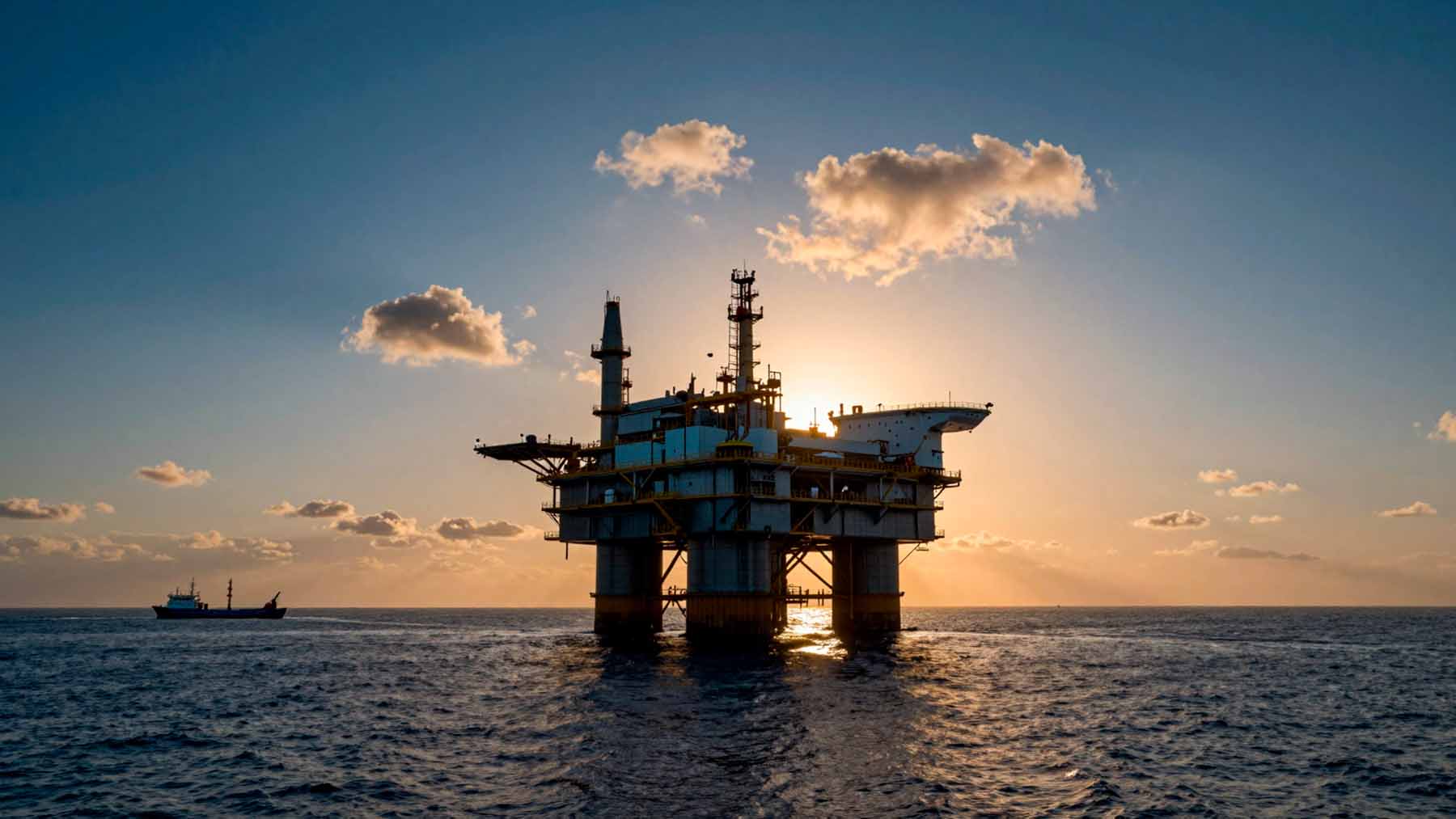 Image generated with artificial intelligence
Shell is stepping away from one of the eastern Mediterranean’s most closely watched gas projects. The British energy giant has agreed to sell its 35% stake in Cyprus’s offshore Aphrodite gas field to Hungary’s MOL Group for up to $720 million—a deal structured through the sale of Shell’s wholly owned subsidiary BG Cyprus Ltd. The transaction is expected to close in early 2027, pending regulatory approvals.
Shell agrees to $720 million sale of Cyprus gas stake to MOL Group
The deal runs through BG Cyprus Ltd., a wholly owned Shell subsidiary. Shell is selling 100% of that entity to MOL Group, with the total price reaching up to $720 million—though the final figure is subject to standard adjustments and milestone-linked contingent payments. BG Cyprus holds a 35% non-operated interest in offshore Block 12, where the Aphrodite gas field sits.
Closing is expected in early 2027, pending regulatory approval and standard conditions. Until then, the existing joint venture structure stays put.
Shell is selling its 35% non-operated stake in Cyprus’s Aphrodite gas field to MOL Group for up to $720 million through the sale of subsidiary BG Cyprus Ltd.
Shell cites capital discipline and LNG portfolio focus as reasons for exit
Shell isn’t walking away because it thinks Aphrodite is a bad project. Cederic Cremers, Shell’s Integrated Gas President, was direct about that. “We believe Aphrodite remains an attractive development opportunity and will play an important role in supporting regional energy needs,” he said. The exit, he explained, comes down to internal priorities—”disciplined capital allocation and portfolio choices, as we focus on opportunities that strengthen our integrated LNG value chain.”
That framing matters. Shell isn’t distressed or getting pushed out—it’s choosing to move capital toward assets that fit more tightly into its global LNG strategy. Aphrodite, as a non-operated minority stake in a field still waiting on a final investment decision, apparently doesn’t clear that bar right now.
Shell also noted that Egypt—the destination for Aphrodite’s future gas sales—remains an important market for the company. It says it still has a significant presence there, which signals that leaving Cyprus doesn’t mean pulling back from the region entirely.
MOL Group assumes Shell’s rights as Aphrodite partners move toward an investment decision
Once the deal closes, MOL Group steps fully into Shell’s shoes, inheriting all of Shell’s rights and obligations within the Aphrodite joint venture. No renegotiation, no restructuring of the partnership.
The joint venture is led by Chevron Cyprus, which operates the project with a 35% interest. NewMed Energy holds the remaining 30% as a non-operating partner. That structure stays intact—MOL simply replaces Shell’s 35% non-operated position.
The bigger milestone still ahead is a final investment decision, or FID. In 2025, the government of Cyprus and the Aphrodite co-venturers agreed on a development and production plan for the field, built around a floating production unit as the core infrastructure. A real step forward—but it doesn’t automatically trigger construction. The remaining partners will keep working toward FID after the Shell-to-MOL transition wraps up.
For MOL, buying in at this stage carries both risk and upside. The field’s development path is clearer than it was a few years ago, but the joint venture’s real capital commitment still lies ahead.
Background: Aphrodite field history and regional energy significance
The Aphrodite gas field sits in Block 12 of Cyprus’s exclusive economic zone, roughly 106 miles southeast of the island’s coastline. It’s one of the more significant undeveloped gas discoveries in the eastern Mediterranean, a region that’s seen heavy offshore exploration activity over the past decade.
Shell’s connection to the project traces back to BG Group, which picked up the Aphrodite interest in 2015 through BG Cyprus. When Shell completed its acquisition of BG Group in February 2016, BG Cyprus became a Shell subsidiary, and the Aphrodite stake came along with it. Shell has held that position for nearly a decade without the project reaching a final investment decision.
All gas produced from Aphrodite is expected to be sold to the Egyptian Natural Gas Holding Company, known as EGAS. That offtake arrangement ties the project directly into Egypt’s gas supply infrastructure—a market facing its own energy pressures, where additional supply from Cyprus would carry real regional weight.
Shell itself acknowledged that Aphrodite “will play an important role in supporting regional energy needs.” Not a throwaway line. The eastern Mediterranean has become increasingly relevant to European energy discussions, particularly since Russian gas supplies to Europe were sharply curtailed following the 2022 invasion of Ukraine.
Refocusing capital on the integrated LNG value chain
Shell is selling its 35% non-operated stake in Cyprus’s Aphrodite gas field to MOL Group for up to $720 million through the sale of subsidiary BG Cyprus Ltd. The deal is expected to close in early 2027, subject to regulatory approval.
Shell’s rationale is strategic rather than financial—the company is refocusing capital on its integrated LNG value chain. All of Shell’s rights and obligations in the joint venture transfer to MOL Group once the deal completes.
Chevron Cyprus remains the operator with a 35% stake; NewMed Energy holds 30%. A development and production plan, including a floating production unit, was agreed in 2025, but a final investment decision hasn’t been made. All produced gas is slated for sale to Egypt’s EGAS, which underlines the field’s broader significance to eastern Mediterranean energy supply.
Kelly is an experienced writer with 15 years of experience exploring the big stories that shape our world, from tech breakthroughs and space exploration to climate, energy, and the fascinating quirks of science. She has a talent for turning complex ideas into sharp, memorable insights that stay with readers long after they’ve finished reading.
