
NSTA approves six-month extension to Jersey Oil & Gas’s Verbier license, aligning greater Buchan area licenses ahead of development plan submission
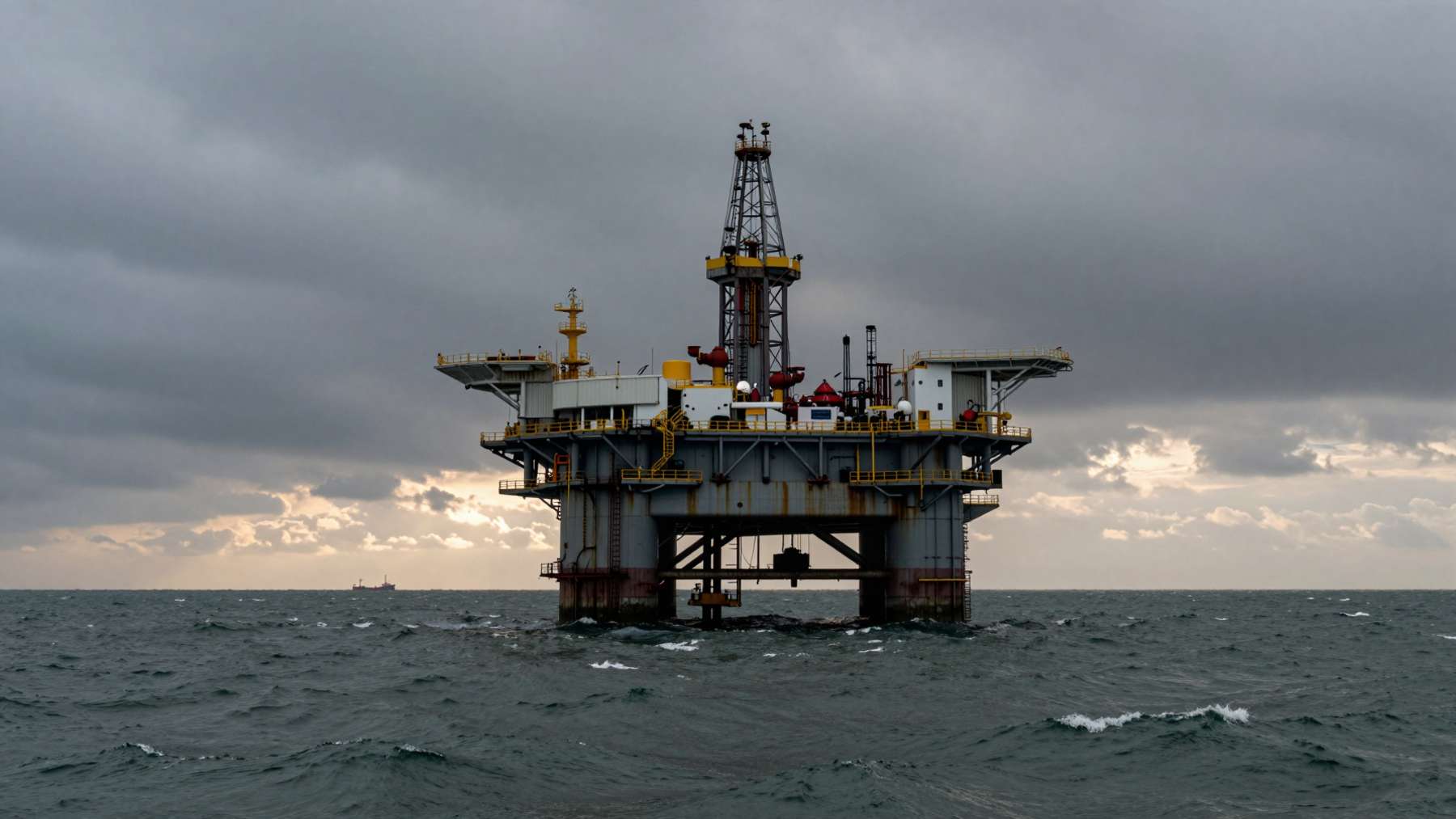 Image generated with artificial intelligence
The UK’s North Sea Transition Authority has approved a six-month extension to the second term of Jersey Oil & Gas’s P2170 Verbier license, pushing its deadline to February 28, 2027. The move brings the Verbier license into alignment with the company’s P2498 Buchan license—a step the NSTA considers essential to advancing an integrated development plan across the greater Buchan area.
NSTA grants Verbier license extension to February 2027
This isn’t a routine paperwork update. It’s a deliberate move to sync two key licenses before Jersey Oil & Gas submits a full development plan for the greater Buchan area.
The company holds two licenses covering the GBA: P2170 for the Verbier discovery and P2498 for the Buchan Horst. Until now, they ran on different timelines. The NSTA’s approval of the roughly six-month extension to P2170 fixes that—both second terms now run to February 28, 2027.
Benitz offered a cautiously optimistic note, citing early indications—following recent cabinet changes—of potential government support for the domestic industry.
Jersey Oil & Gas is AIM-listed and focuses exclusively on the UK Continental Shelf. For a company of its size, keeping both licenses in step isn’t just tidy. Managing two active development tracks on separate deadlines would make an already demanding regulatory and financing process considerably harder.
Why the alignment of license terms matters for the GBA
To understand why this matters, it helps to look at how UK offshore licenses actually work. The second term is when license holders must secure Field Development Plan approval from the NSTA—after which the license moves into its third term, the development and production phase that runs for the life of the field.
Running the two GBA licenses on different second term deadlines would’ve created a structural mismatch. The NSTA’s goal is an integrated area plan built around a phased approach, starting with Buchan. Verbier is part of that wider picture, not a standalone project.
With both licenses aligned to the same deadline, Jersey Oil & Gas and its joint venture partners can work toward a single, coherent development submission instead of juggling competing timelines. February 2027 isn’t the finish line, though. The company plans to submit a further extension request for the Buchan license later this year—one that’ll include an updated development schedule and a matching extension request for Verbier.
Development timeline slowed by fiscal and regulatory uncertainty
The license alignment is happening against a backdrop of real delays. Jersey Oil & Gas has been upfront that Buchan development activities have slowed considerably, pinning that directly on ongoing industry uncertainties created by successive UK governments.
Those uncertainties have pushed the company to rethink what the optimal development solution actually looks like. The draft Field Development Plan previously submitted to the NSTA proposed redeploying the Western Isles floating production, storage and offloading vessel. That option is now under review. With time having passed, other potential production solutions have come into view, and the company says those alternatives deserve further screening.
The NSTA is also pushing the GBA joint venture to think bigger. As part of its objectives for managing future North Sea resources, the authority wants the joint venture to evaluate connecting volumes from third-party resource owners near a potential Buchan-based production hub—a meaningful expansion of scope that adds complexity to an already extended timeline. Work on all of this is expected to run into 2027, with joint venture partners currently assembling a work plan and budget for next year to support both GBA progression and the upcoming license extension requests.
Company calls for fiscal reform and end to energy profits levy
CEO Andrew Benitz welcomed the extension but used the announcement to press the UK government on broader policy. He described the Buchan-led production hub as an exciting opportunity to unlock resources across the area—while being clear that the current fiscal environment is making it harder to move forward.
Benitz called directly for an early end to the Energy Profits Levy, saying it has “unquestionably led to a significant slowdown in investment activity.” Extended approval processes under the UK’s regulatory landscape were also flagged as a complicating factor for key projects.
His case for domestic production rests on one data point: hydrocarbons account for approximately 75% of total UK energy usage. On that basis, he argued, homegrown energy should always come before imports.
Benitz offered a cautiously optimistic note, citing early indications—following recent cabinet changes—of potential government support for the domestic industry. He was careful not to oversell it. That support, he stressed, only translates into results if it comes with real fiscal and regulatory reforms. The stakes he laid out are significant: long-term investment, job protection, energy security, and the energy transition itself.
A further extension request is expected
The NSTA’s approval of the Verbier license extension is a targeted regulatory step that brings P2170 and P2498 into alignment ahead of a unified greater Buchan area development submission. Both licenses now run to February 28, 2027, though a further extension request covering both is expected before the year is out.
The development plan itself remains in flux. The Western Isles FPSO option is under review, alternative production solutions are being evaluated, and the NSTA is encouraging the joint venture to assess third-party resource connections near a potential Buchan hub—work that carries into 2027.
Jersey Oil & Gas keeps pushing for an end to the Energy Profits Levy and broader fiscal reform, arguing the current environment has slowed investment and that domestic hydrocarbon production should take priority over imports.
Kelly is an experienced writer with 15 years of experience exploring the big stories that shape our world, from tech breakthroughs and space exploration to climate, energy, and the fascinating quirks of science. She has a talent for turning complex ideas into sharp, memorable insights that stay with readers long after they’ve finished reading.
