
Solitude joint venture greenlights twin 48-inch natural gas pipelines from Permian Basin to Katy, Texas
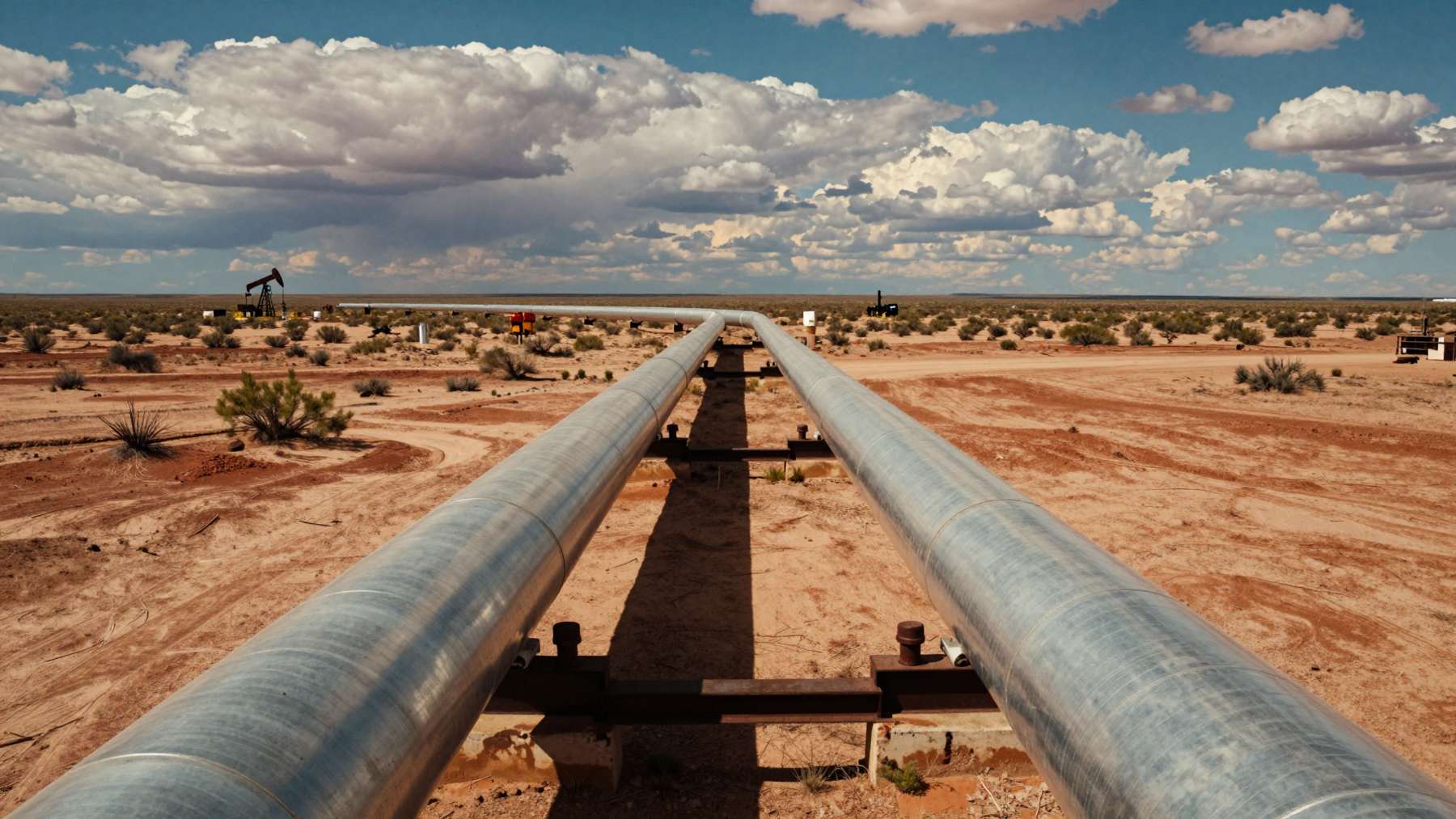
Five energy companies just gave the green light on one of the bigger pipeline projects the Permian Basin has seen in a while. WhiteWater, Devon Energy, MPLX, Diamondback Energy, and Western Midstream Partners announced a Final Investment Decision to build two 48-inch natural gas pipelines running from the Permian Basin all the way to Katy, Texas — about 30 miles west of Houston — under a project they’re calling the Solitude Pipeline System.
Five-partner joint venture reaches FID on major pipeline project
WhiteWater leads the pack with a 50% ownership stake in Solitude. Devon Energy holds 25%, MPLX takes 10%, and Diamondback Energy and Western Midstream Partners each own 7.5%. Two more investors — I Squared Capital and FIC Partners Management — are also in the mix, though they participate through WhiteWater’s portion rather than as direct joint venture members.
The FID formally greenlights construction of two parallel 48-inch pipelines, each running independently from the Permian to Katy. That independence gives the system built-in redundancy and room to scale from day one.
Those commitments — backed by predominantly investment-grade counterparties — gave the Solitude partners the commercial certainty they needed to pull the trigger.
Getting to FID took more than solid engineering. The joint venture needed a real commercial foundation first — and that came through substantial long-term firm transportation agreements signed predominantly with investment-grade shippers, companies whose creditworthiness lowers financial risk for lenders and equity partners alike.
Why the project was sanctioned: shipper demand and Permian growth
The Permian Basin isn’t cooling off. Production has climbed steadily for years, and the natural gas that comes up alongside all that oil needs somewhere to go. Existing long-haul takeaway infrastructure is getting stretched thin.
Gulf Coast demand is pulling just as hard from the other direction. LNG export terminals along the Texas and Louisiana coasts need feedgas, and industrial consumers in the region keep expanding. Growing supply in West Texas, growing demand near the coast — that’s exactly the kind of durable market signal that justifies a multi-billion-dollar infrastructure bet.
Firm transportation agreements are the clearest way shippers express that signal. When they sign long-term contracts, they’re committing to pay for capacity whether they use it or not. Those commitments — backed by predominantly investment-grade counterparties — gave the Solitude partners the commercial certainty they needed to pull the trigger.
Phased capacity design targets 4.5 Bcf/d by 2030
Solitude isn’t being built to a fixed endpoint. Its phased design is one of the project’s defining features, giving the joint venture real flexibility as market conditions shift.
Phase one targets roughly 2.25 billion cubic feet per day of capacity, scheduled for commissioning in late 2029. That’s a substantial volume on its own — enough to move serious quantities of Permian gas to Gulf Coast markets from the first day of commercial operation. Phase two then adds another 2.25 Bcf/d, expected online in 2030, bringing total nameplate capacity to 4.5 Bcf/d. That would put Solitude among the larger natural gas pipeline systems connecting the Permian to the Gulf Coast.
The joint venture has also left the door open beyond that figure. If shipper demand keeps growing, additional capacity increases are possible, and the phased structure lets the partnership speed up or slow down commissioning depending on how the market develops. In a commodity infrastructure environment where demand forecasts can shift fast, that kind of optionality matters.
Timeline and regulatory requirements
Phase one is targeting an in-service date in the second half of 2029 — though the actual date depends on receiving the customary regulatory and other approvals that any major pipeline project requires.
Permitting for large-diameter natural gas pipelines takes time. Environmental reviews, right-of-way acquisition, and sign-offs from state and federal agencies all have to run their course. The joint venture hasn’t publicly laid out its regulatory timeline, but the late-2029 target suggests the partners are confident the approval process fits within the construction window.
Construction itself is no small undertaking. Two 48-inch lines across hundreds of miles of West Texas and Gulf Coast terrain require serious logistical coordination — and the FID effectively starts that clock, triggering procurement, contractor mobilization, and detailed engineering work.
Key takeaways
Here’s what the Solitude FID means in practical terms. Five energy companies — WhiteWater, Devon Energy, MPLX, Diamondback Energy, and Western Midstream Partners — have formally committed to building twin 48-inch natural gas pipelines from the Permian Basin to Katy, Texas. WhiteWater holds the majority stake at 50%, with I Squared Capital and FIC Partners Management investing alongside it through WhiteWater’s portion.
The system launches with 2.25 Bcf/d of capacity in late 2029, adds another 2.25 Bcf/d in 2030, and could grow beyond 4.5 Bcf/d if demand warrants. Long-term firm transportation agreements with predominantly investment-grade shippers anchored the commercial case.
Commercial operation still depends on regulatory approvals. If those come through on schedule, Solitude could be moving Permian gas to Gulf Coast markets before the decade is out.

Carlos is an engineer with strong expertise in technical and industrial topics. He previously worked at international companies such as Siemens and is multilingual.
