
Continental Resources acquires 50% stake in Mercuria’s Argentine shale oil firm Phoenix Global Resources in $4 billion-plus deal
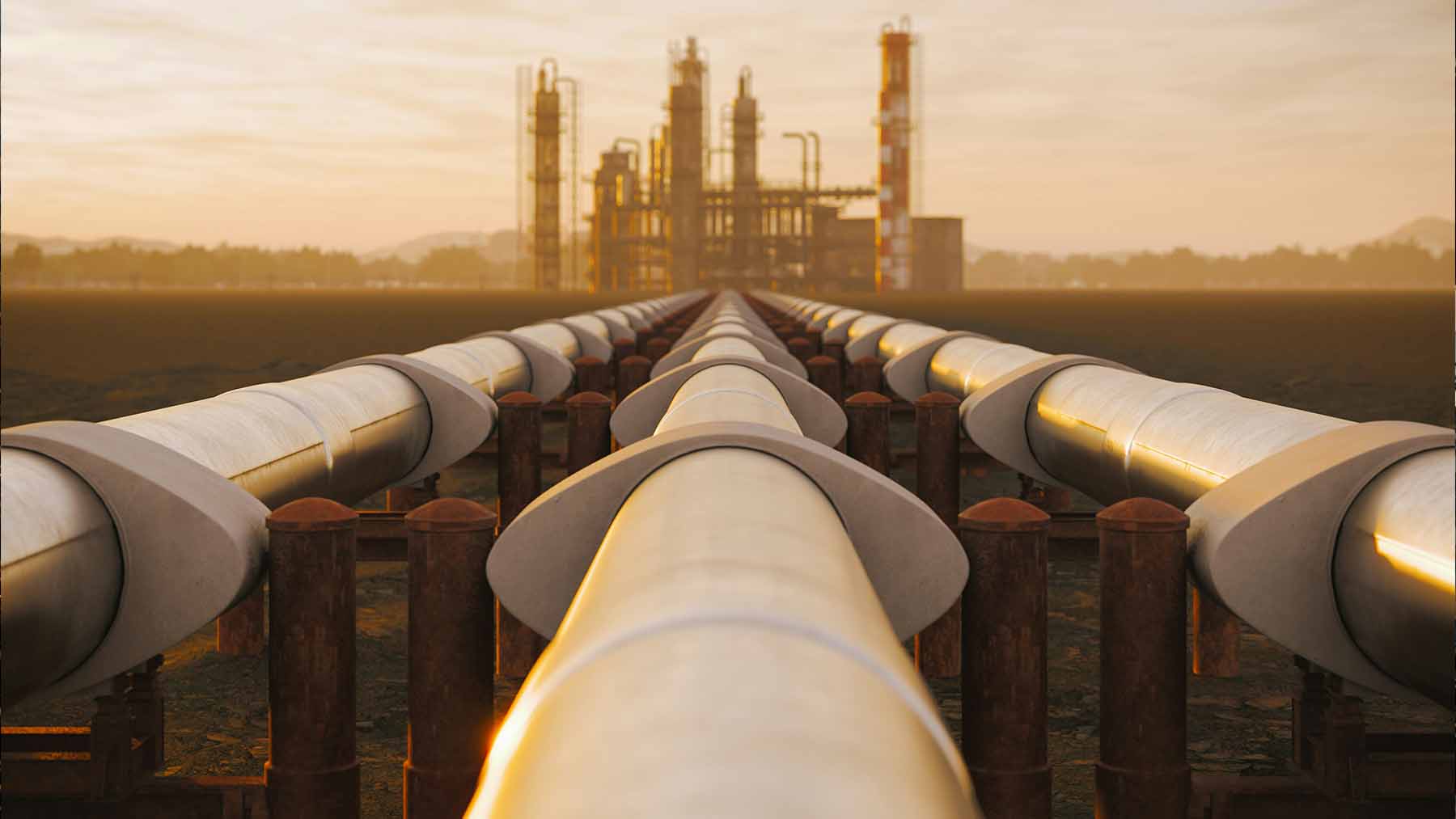 Image generated with artificial intelligence
Continental Resources signed agreements Thursday to acquire a 50% stake in Phoenix Global Resources, an Argentine shale oil company owned by commodity trading house Mercuria Energy Group. The deal commits more than $4 billion to expand Phoenix’s production—a figure that signals how seriously American energy players are betting on Argentina’s shale potential.
Continental and Mercuria form 50-50 joint venture in Argentina
Under the terms of the agreements signed Thursday, Mercuria and Continental will become equal joint venture partners in Phoenix Global Resources. This isn’t just a passive stake transfer—it restructures Phoenix into a shared platform for large-scale shale development in Argentina’s Neuquén province.
The transaction also folds in shale oil interests from Integra Capital, the firm controlled by Argentine businessman Jose Luis Manzano, which broadens the asset base the new partnership will work with from day one.
Continental and Phoenix also moved quickly to lock in future acreage, bidding jointly this week in an auction for six exploration license blocks in the Vaca Muerta.
Continental CEO Doug Lawler didn’t shy away from the political dimension. He credited Argentine President Javier Milei’s free-market reforms for “ultimately helping pave the way for this significant partnership.” For a company making a multibillion-dollar commitment, regulatory predictability matters as much as geology.
Milei’s reforms and Vaca Muerta’s shale boom drive the deal
Argentina’s Vaca Muerta formation is currently the world’s fastest-growing shale boom—a remarkable turnaround for a country where government price controls, currency restrictions, and heavy-handed energy policy spent years scaring off the international capital needed to develop the formation’s enormous reserves.
Milei’s administration reversed that trend. His government introduced tax cuts and other incentives specifically designed to attract foreign oil companies, and the results are showing up. Chevron recently decided to expand its Vaca Muerta acreage directly because of those incentives, a vote of confidence from one of the world’s largest energy companies.
American investor interest isn’t limited to Continental. Tech billionaire Peter Thiel reportedly took a sizable stake in Vista Energy this month, making the Continental-Mercuria deal the second notable US-linked investment in Argentine shale in quick succession. Vaca Muerta appears to be moving from a regional story to a global one.
Joint venture targets output of 100,000 barrels per day within five years
The headline ambition is straightforward: triple Phoenix Global Resources’ current production to over 100,000 barrels of oil equivalent per day within five years. That’s a steep ramp-up, and the companies are backing it with real money—more than $4 billion in combined investment committed to fund the expansion. At that level of capital deployment, this isn’t an exploratory bet. It’s a full-scale development program.
Continental and Phoenix also moved quickly to lock in future acreage, bidding jointly this week in an auction for six exploration license blocks in the Vaca Muerta. Winning those licenses would give the joint venture additional runway to sustain growth beyond the initial five-year target.
Background: Continental’s growing footprint in Argentina and Mercuria’s existing assets
Continental’s move into Phoenix isn’t its first step in Argentina—it’s its third. Last year, the Oklahoma-based company became the first independent US shale producer to enter the Argentine market, acquiring assets from local driller Pluspetrol SA. In January, it expanded further by buying stakes in blocks operated by Pan American Energy Group, a company half-owned by BP. Each acquisition has built on the last, and the Phoenix deal is the most ambitious move yet.
Mercuria’s Argentine story is longer. The commodity trading house started building its position in 2017, forming Phoenix through a listed oil producer that it later took private. Phoenix has since grown into a meaningful shale operator, and Mercuria clearly sees the joint venture as a way to accelerate that trajectory with an experienced US shale partner alongside it.
Mercuria‘s ambitions extend beyond upstream production. Earlier this year, the company reached a separate $1.4 billion deal to acquire one of Argentina’s largest oil refineries, along with a network of gas stations—giving the broader ecosystem a downstream presence to match its upstream growth.
The Continental-Mercuria relationship also stretches beyond Argentina. The two companies are separately collaborating through Mercuria Americas to build a natural gas-fired power plant in the Permian Basin of West Texas, an existing working relationship that likely smoothed the path to a much larger partnership in South America.
A target that will require execution and regulatory stability
The Continental-Mercuria deal is a significant data point in Argentina’s energy story, and a few things stand out.
The scale alone is striking: a $4 billion-plus commitment to a single shale joint venture in a country that was largely off-limits to international capital just a few years ago says a lot about how much the investment climate has shifted. Tripling production to 100,000 barrels of oil equivalent per day within five years is an aggressive target that will require sustained execution and continued regulatory stability to pull off—neither of which is guaranteed.
Broader context matters here too. With Chevron expanding its Vaca Muerta position and Peter Thiel reportedly investing in Vista Energy, Continental’s deal is part of a wider wave of international capital flowing into Argentine shale, not an isolated move.
Whether Milei’s reforms prove durable enough to sustain that momentum remains the central question. For now, the companies writing the checks appear to believe they will.
Kelly is an experienced writer with 15 years of experience exploring the big stories that shape our world, from tech breakthroughs and space exploration to climate, energy, and the fascinating quirks of science. She has a talent for turning complex ideas into sharp, memorable insights that stay with readers long after they’ve finished reading.
