
Bloom Energy says solid oxide fuel cells can close the gap between surging U.S. data center power demand and slow grid expansion timelines
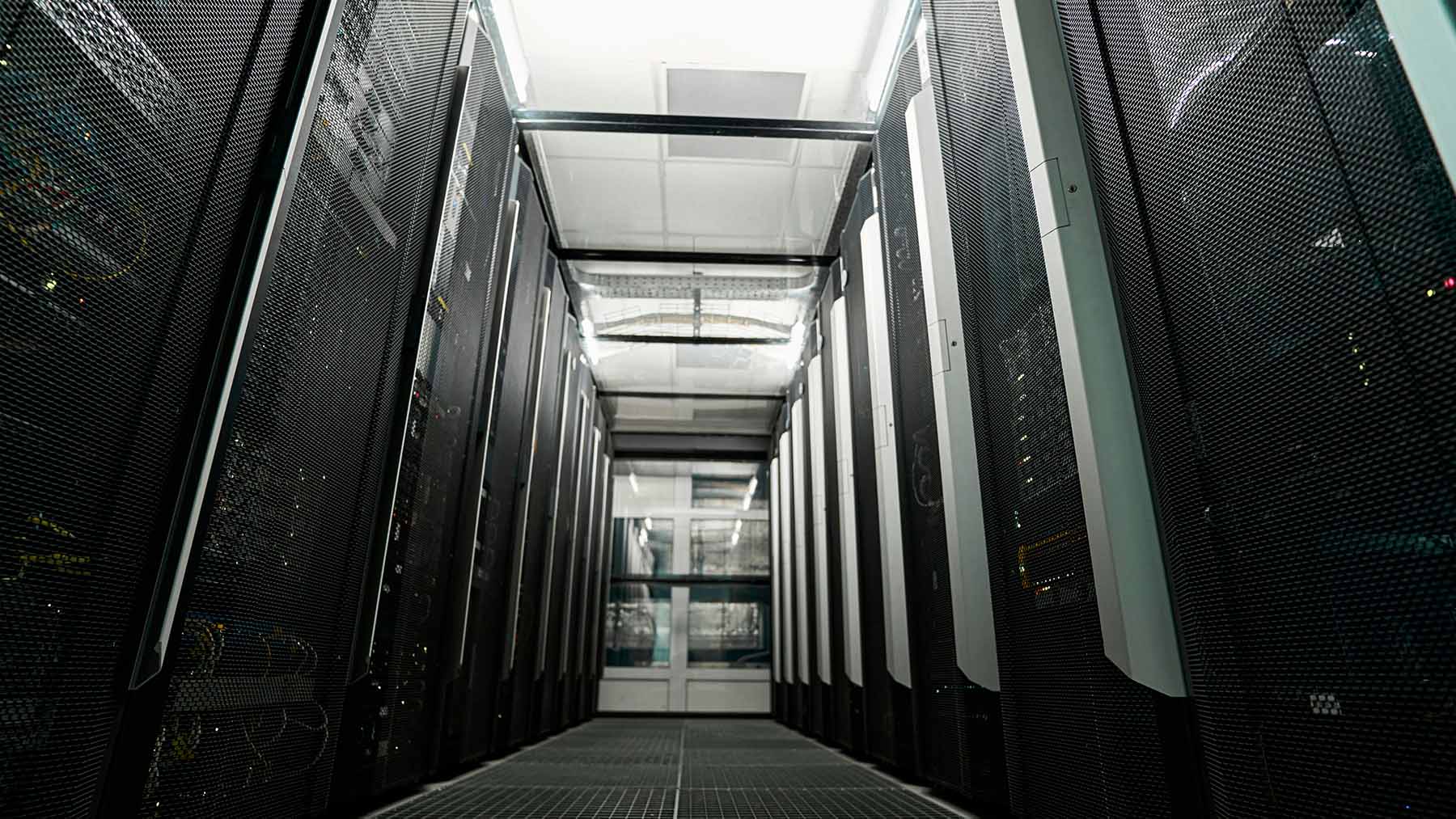
U.S. electricity demand is growing faster than the grid can keep up. According to McKinsey & Company, American IT load is expected to nearly double — from roughly 80 GW in 2025 to 150 GW by 2028 — driven largely by AI data center expansion. In Texas alone, grid operator ERCOT projects data center demand will surge from 29 GW to 77 GW by 2030.
Hyperscalers can’t wait years for that infrastructure to catch up. They need reliable power in 18 to 24 months — a timeline that gas turbines, with delivery schedules now stretching five to seven years, simply can’t meet. Bloom Energy says solid oxide fuel cells can.
AI boom drives electricity demand that utilities cannot quickly meet
The numbers tell the story pretty clearly. McKinsey & Company projects U.S. IT load will nearly double — from roughly 80 GW in 2025 to 150 GW by 2028. In Texas, ERCOT forecasts data center demand will surge from 29 GW to 77 GW by 2030. That kind of growth, compressed into just a few years, is unlike anything utilities have planned for.
The utility delivers that power to its large customer with a markup that funds transmission and distribution buildout, keeping costs off existing ratepayers.
Hyperscalers aren’t willing to wait. Large industrial loads can sit in the interconnection queue for three to seven years before grid power arrives — and that gap is a real business risk. They need reliable power within 18 to 24 months.
“Large industrial customers and data centers will not wait for grid power. This load growth will happen with or without the utilities,” says Devyn Simmons, Senior Manager of Utility and IPP Origination at Bloom Energy.
Utilities that can’t move fast enough risk losing major customers to alternative providers. Meanwhile, existing ratepayers absorb the cost of grid investments that never got used.
Conventional power technologies face supply and permitting bottlenecks
Utilities have been trying. Many turned to onsite generation to bridge the gap, but the technologies most common in integrated resource plans come with serious constraints.
Gas turbines are in short supply. Delivery times now stretch five to seven years, and most major engineering, procurement, and construction firms are booked through 2029. Even when a turbine is available, a simple-cycle plant still needs 12 to 16 months of onsite commissioning.
Reciprocating engines can be installed in smaller blocks, which helps. Serving large data center loads, though, means permitting and connecting dozens of units — a slow process, especially when continuous operation triggers emissions approval hurdles.
Utility-scale solar and wind paired with battery storage sounds appealing on paper. AI-scale deployments require enormous land tracts, and the rapid load swings of AI training force batteries to cycle far more than they were designed for, accelerating degradation and driving up replacement costs. None of these paths give utilities a fast, scalable way to serve data center customers under current planning timelines.
Solid oxide fuel cells offer faster deployment and lower emissions
Solid oxide fuel cells work differently from combustion-based technologies. Instead of burning fuel to spin a turbine, they convert chemical energy directly into electricity through an electrochemical process — a distinction with real practical consequences.
Because there’s no combustion, fuel cells produce near-zero NOx, SOx, and particulate emissions. That makes air permitting significantly faster, even in EPA non-attainment areas with strict air quality rules. Installations under 50 MW don’t require an air permit at all.
The supply chain is ready now. Bloom Energy reports manufacturing capacity of approximately 1 GW per year, with plans to double that capacity, making megawatt-scale deployments achievable in months rather than years. The physical footprint is compact too — a ground-mounted system can deliver 30 MW in 20,000 square feet, and stacking four levels high yields 100 MW from that same footprint. Fuel cells also require no water during normal operation, a meaningful advantage in water-constrained regions.
Fuel cells require less overbuild than turbines to meet high-reliability targets
Data centers don’t just need fast power. They need reliable power — typically between three-nines (99.9%) and five-nines (99.999%) availability. The traditional way to hit those targets is to overbuild.
Delivering 100 MW at three-nines availability requires 130 to 150 MW of gas turbines. Fuel cells hit the same reliability target at just 109 MW thanks to their modular, fault-tolerant design.
“This presents a huge economic advantage. It requires a lot less infrastructure and a lot less CapEx,” Simmons says.
Fuel cells are generation assets, not storage, so they don’t degrade through cycling the way batteries do. They can run on natural gas, hydrogen, or biogas. Bloom Energy has deployed over 1.8 GW of fuel cell capacity across 1,200 sites globally, including data centers — a track record that demonstrates commercial viability at meaningful scale.
Commercial structures allow utilities to deploy fuel cells without burdening existing ratepayers
The financial model matters as much as the technology. Two commercial structures have emerged that let utilities move quickly without raising rates for everyone else.
Sleeve power purchase agreements let a fuel cell provider finance the generation and charge the utility per kilowatt-hour. The utility delivers that power to its large customer with a markup that funds transmission and distribution buildout, keeping costs off existing ratepayers.
Large load tariffs take a different approach: the utility owns the onsite generation at the customer’s site and sets rates high enough to fund needed grid investments. Both structures protect the existing customer base while enabling rapid expansion.
What this means for utilities navigating the AI power crunch
Solid oxide fuel cells address several constraints at once. They deploy faster than gas turbines, require less land than utility-scale renewables, and don’t carry the degradation risks of battery storage. Lower overbuild requirements also reduce capital expenditure compared to conventional generation at equivalent reliability levels.
Critically, fuel cells don’t become stranded when the grid eventually catches up. They can stay on as baseload assets, with grid power serving as a flexible supplementary resource rather than a full replacement. For utilities caught between surging demand and slow grid expansion, that combination of speed, reliability, and long-term flexibility makes solid oxide fuel cells worth a serious look.
Kelly is an experienced writer with 15 years of experience exploring the big stories that shape our world, from tech breakthroughs and space exploration to climate, energy, and the fascinating quirks of science. She has a talent for turning complex ideas into sharp, memorable insights that stay with readers long after they’ve finished reading.
