
Saudi Aramco’s HAPCO refinery in China receives first Arabian crude cargo ahead of planned commercial startup
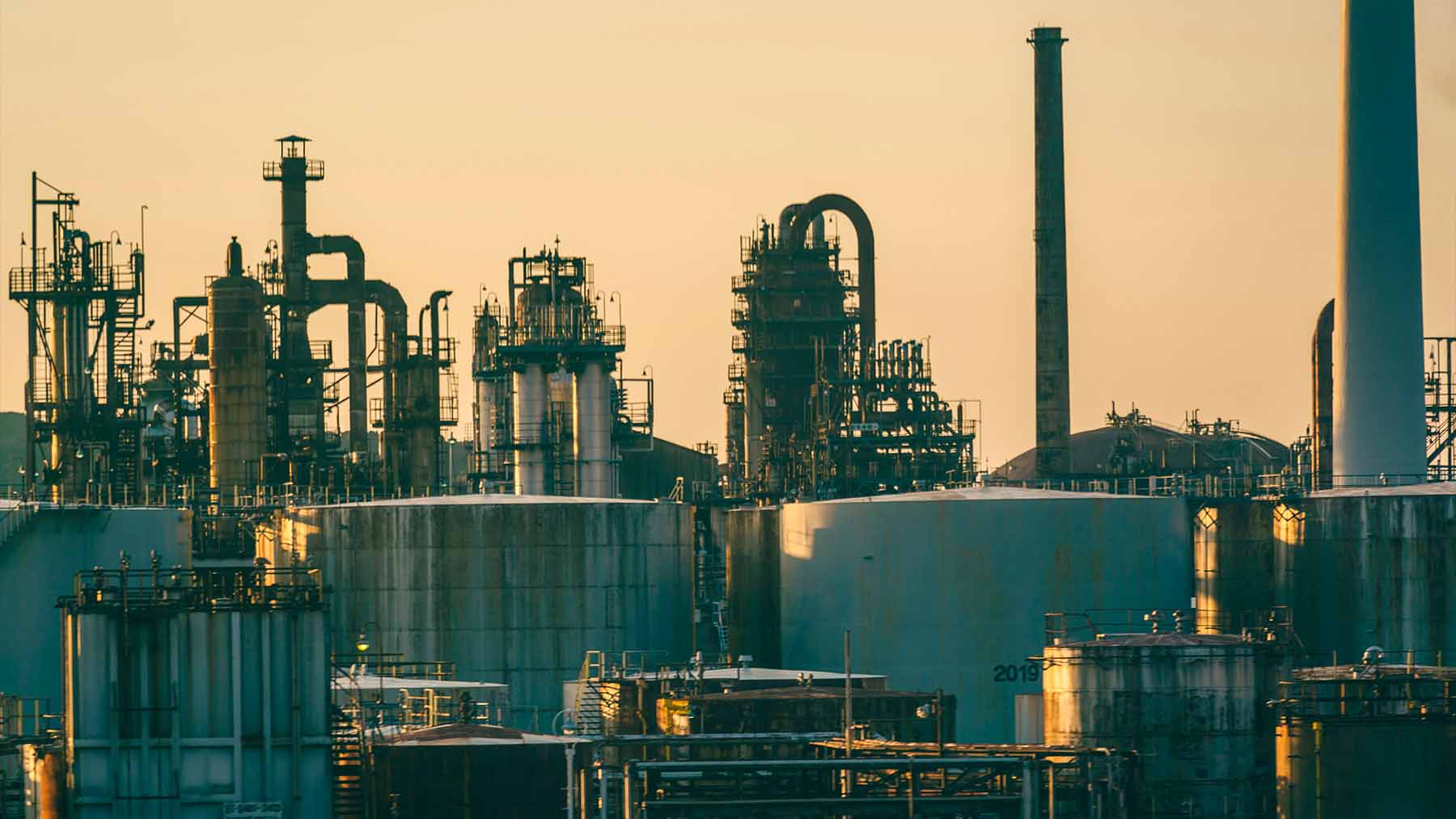
The first cargo of Arabian crude arrived late last week at Saudi Aramco’s new HAPCO refining complex in Liaoning Province, northeast China — a concrete step toward commercial operations at the joint-venture mega plant. The tanker Kassab discharged the shipment after loading at Saudi Arabia’s Juaymah port in the Persian Gulf, according to Kpler data. Aramco’s partners in the venture are North Huajin Chemical Industries Group Corp. and Panjin Xincheng Industrial Group Co.
First crude cargo arrives at Liaoning complex
Aramco confirmed the delivery via an emailed statement on Wednesday, though no official commercial start date was provided. Still, the arrival speaks for itself. North Huajin’s general manager, Zheng Baoming, called it “a major milestone in the development of the project,” adding that it “brings us closer to the start of operations.” That’s about as close to a ribbon-cutting announcement as you’re likely to get before the facility is actually running.
The Kassab carried its cargo from Juaymah, one of Saudi Arabia’s main crude export terminals on the Persian Gulf. Kpler tracking data confirmed the loading point. A photo released alongside Aramco’s statement showed the vessel discharging at the Liaoning site — a visible signal that the complex is moving out of construction and into something more operational.
HAPCO is among the most significant of those investments — a billion-dollar bet that Chinese demand for fuel and petrochemicals will stay robust for decades to come.
Why the refinery is being built now
HAPCO is a three-way joint venture between Saudi Aramco, North Huajin Chemical Industries Group Corp., and Panjin Xincheng Industrial Group Co. The partnership reflects a deliberate push by Aramco to lock in downstream demand across Asia, where crude consumption is the highest in the world and still climbing.
China has long been one of Saudi Arabia’s most important export markets for crude oil. Selling raw barrels is one thing — owning a stake in the refinery that processes them is something else entirely. In-country refining capacity gives Aramco a more durable foothold in the Chinese market, one that’s far less exposed to short-term shifts in purchasing decisions or trade policy.
This kind of downstream integration sits at the center of Aramco’s broader strategy. Rather than relying solely on crude exports, the company has been building or acquiring refining and petrochemical assets across Asia. HAPCO is among the most significant of those investments — a billion-dollar bet that Chinese demand for fuel and petrochemicals will stay robust for decades to come.
Scale and capacity of the HAPCO complex
The numbers are significant. The refinery is designed to process 300,000 barrels of crude per day, a throughput that puts it among the larger facilities in China’s northeast industrial corridor.
The petrochemical side is equally ambitious. The plant will have annual production capacity of 1.65 million metric tons of ethylene — a foundational building block used across plastics, packaging, and manufacturing — along with 2 million metric tons of paraxylene per year, a chemical used primarily in polyester and plastic bottle production.
Together, those figures make HAPCO more than just a refinery. It’s an integrated energy and chemicals complex built to capture value across the entire downstream chain, not just at the refined fuel stage. According to an October 13 note from Energy Aspects, commercial operations are expected to begin in the first quarter of next year — a timeline consistent with the arrival of the first crude cargo, since facilities typically run test operations and commissioning runs before declaring a commercial startup.
Broader oil market context: US-Iran war and China’s response
HAPCO is nearing its launch at a complicated moment for global oil markets. The US-Iran war, now entering its eighth month, has disrupted supply flows and added persistent uncertainty to crude pricing and availability. The effects have rippled through Asia, where import-dependent economies are especially exposed.
China has responded by pulling back on crude imports, drawing down strategic and commercial stockpiles, and temporarily halting fuel exports to preserve domestic supply. None of those steps are sustainable indefinitely — they’re stopgaps, not solutions.
That’s where a facility like HAPCO becomes relevant. Additional domestic refining capacity gives China more flexibility in managing crude supply, reducing the country’s vulnerability to import disruptions or price spikes. The petrochemical outputs add another layer of strategic value. Ethylene and paraxylene feed directly into China’s manufacturing base, and with the broader economy under pressure, maintaining steady domestic supply of key industrial chemicals is a priority that goes well beyond energy policy alone.
What the first cargo means going forward
The arrival of the Kassab’s cargo doesn’t mean HAPCO is open for business — but it’s the clearest sign yet that commercial startup is close. Aramco has a confirmed delivery. Its partners have declared a milestone. Energy Aspects has penciled in Q1 of next year as the target date.
What comes next is the commissioning process: running crude through the system, testing outputs, and working through any operational issues before full commercial operations are declared. That takes time, but it starts with exactly what happened last week — the first barrel of feedstock arriving at the gate.
For Aramco, the milestone confirms that one of its most significant downstream investments in Asia is on track. For China, it means a major new source of domestic refining and petrochemical capacity arriving at a moment when supply security is firmly on policymakers’ minds.
Kelly is an experienced writer with 15 years of experience exploring the big stories that shape our world, from tech breakthroughs and space exploration to climate, energy, and the fascinating quirks of science. She has a talent for turning complex ideas into sharp, memorable insights that stay with readers long after they’ve finished reading.
