
Two retired lock chambers at West Virginia’s Robert C. Byrd Dam could house six turbines generating 28.5 MW
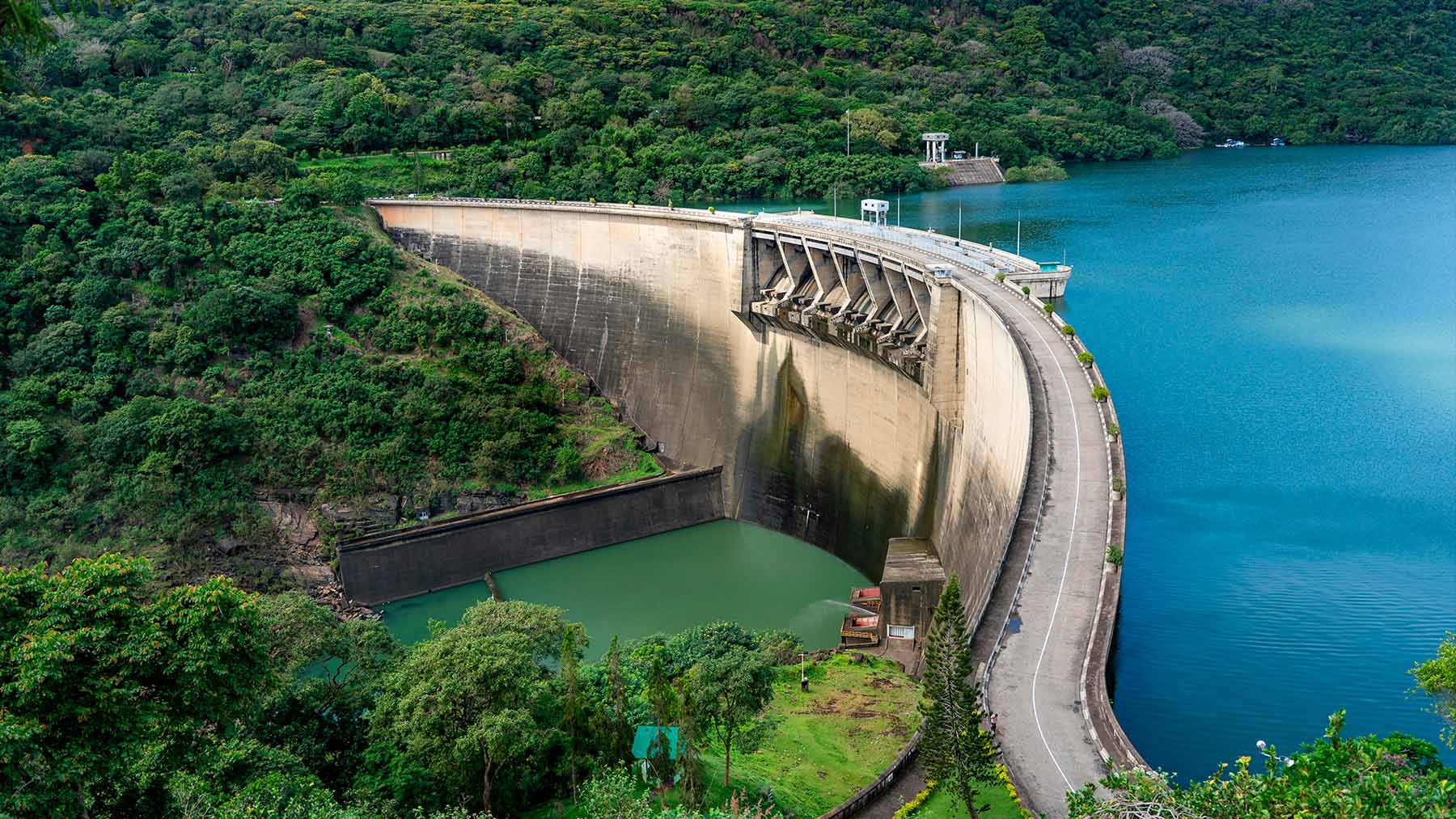 File image
A proposed project aims to transform an existing dam in West Virginia by adding turbines to generate hydroelectric power.
The unprecedented surge in electricity demand across the United States has become a national crisis.
To address this sustainably, the energy sector must rapidly expand high-capacity renewable generation.
While this represents good progress toward lower-carbon power production, these primary renewable sources remain intermittent, causing operational bottlenecks.
In West Virginia, developers are targeting existing water control structures to avoid building new infrastructure.
Will this approach meet modern power needs while meeting national climate targets?
How modern demands have triggered a national crisis
Society has eagerly adopted AI, widespread electrification, and high-tech manufacturing.
These factors have entirely reshaped the United States’ electricity needs, causing significant strain on regional power grids.
The Electric Power Research Institute projects that data center power consumption will reach 9% of national consumption by 2030.
This increase will double the current energy footprint.
As national peak demand projections continue to surge, grid operators must prepare for major load growth within the next decade.
At the same time, they are pressured to meet strict climate and decarbonization targets.
Unfortunately, to maintain grid reliability and prevent immediate supply shortages, utilities still often rely on fossil fuels.
Across the country, the retirement of coal-fired power plants is being delayed, and natural gas generation is being added.
Consequently, this directly conflicts with urgent federal greenhouse gas emission reduction targets.
This creates an urgent demand for immediate high-capacity renewable power generation.
Facing operational bottlenecks despite green energy milestones
Over the past decade, the United States has achieved significant milestones in renewable energy deployment.
Solar and wind energy have been leading the American green shift.
Large-scale solar capacity exceeded 100 gigawatts, while wind generation capacity surpassed 140 gigawatts.
While this represents good progress toward lower-carbon power production, these primary renewable sources remain intermittent, causing operational bottlenecks.
During late afternoon peaks, solar power sharply declines and completely vanishes at night.
Furthermore, with weather events becoming more volatile, wind generation also fluctuates more unpredictably.
Additionally, large-scale battery storage systems are constrained by duration limits and high material costs.
The best solution to these issues is hydropower, which offers consistent, zero-carbon baseload electricity.
However, the construction of new dam infrastructure takes years and requires high capital.
In West Virginia, these barriers are bypassed by retrofitting existing water structures.
This strategy is highlighted in the recent Federal Register – Robert C. Byrd environmental review.
Adding turbines to an existing federal dam
There are thousands of existing dams in the U.S., all offering major untapped hydropower potential.
In West Virginia, the latest proposed project will be located at the Robert C. Byrd Locks and Dam on the Ohio River in Mason County.
The developer, Ohio Power and Light, LLC, aims to install six turbines directly within two retired lock chambers.
The facility will use 18.3 acres of federal land administered by the U.S. Army Corps of Engineers.
Once completed, it will feature an installed generating capacity of 28.5 megawatts.
The status of the proposed dam transformation
The project is currently in an active licensing process.
On September 28, 2026, an Environmental Assessment was released, which found no major impact under the proposed protection measures.
The public can comment on the assessment until October 28, 2026.
The completion of three crucial reviews will determine final agency action, which are:
- National Historic Preservation Act
- Clean Water Act
- Endangered Species Act
Once the final decision on the license order has been reached, the future of the dam will be announced. This is expected by March 18, 2027.
The Robert C. Byrd project demonstrates that retrofitting existing dams is a feasible approach to boost America’s carbon-free baseload capacity.
Beyond supplying clean power to over 15,000 regional homes, it also avoids expensive civil construction and environmental displacement.
Ultimately, hydropower facilities remain a vital low-impact strategy nationwide.
Anke Maree is a writer with a clear and engaging editorial style. Her work focuses on making complex topics accessible, informative, and relevant for readers across different areas of interest.
