
Germany’s Gode Wind 3 tested washing sand aside instead of hammering three turbine foundations, cutting underwater noise by 34 decibels
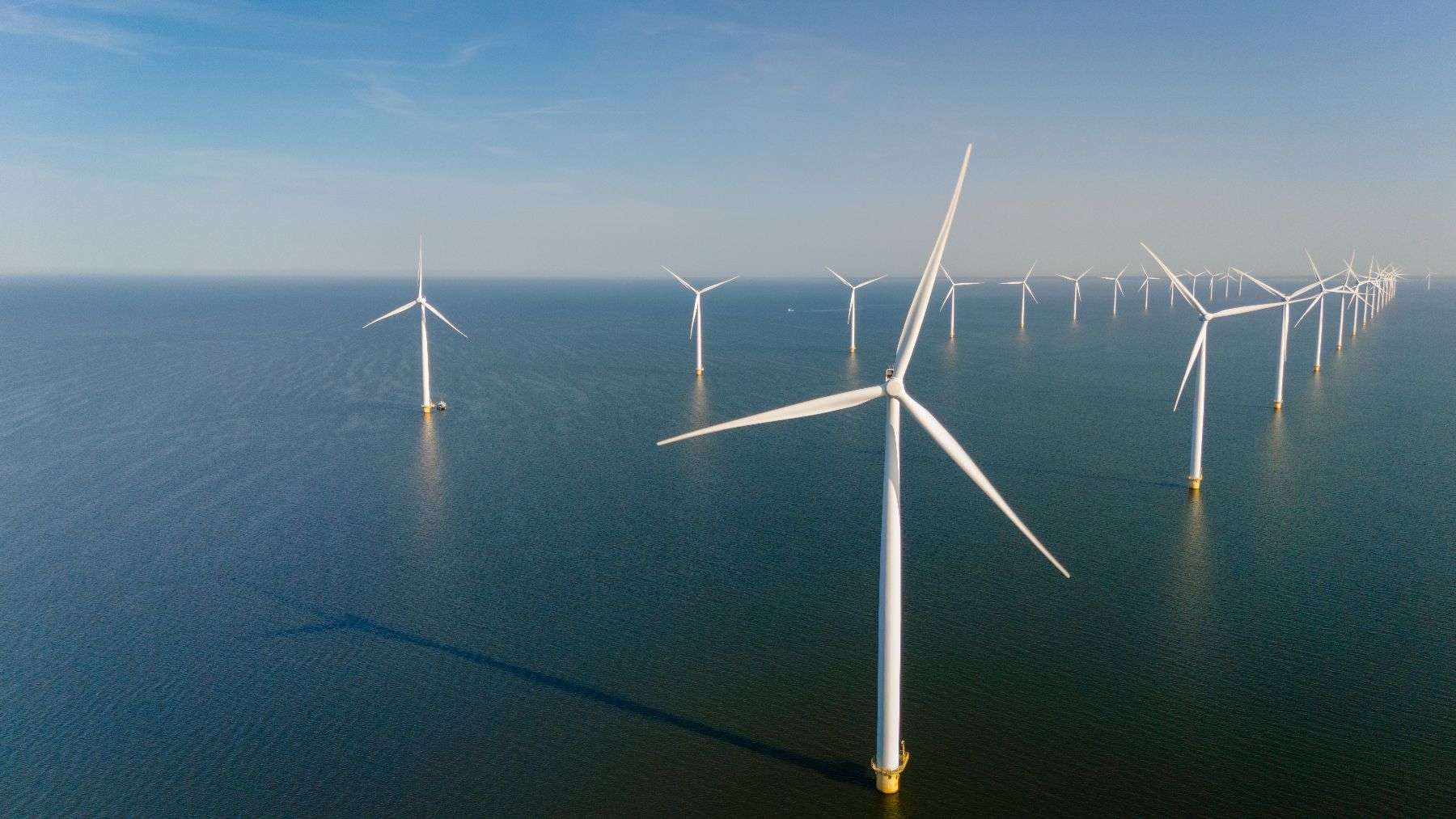
Germany is expanding its offshore wind capacity with minimal noise disruption to marine ecosystems.
The nation has established highly ambitious climate targets, requiring high-capacity clean power generation.
Offshore wind is an ideal strategy to meet these goals, but strict North Sea environmental regulations make deployment more challenging.
Offshore installations are key, as they produce high capacity factors and consistent power without competing over mainland real estate.
Fortunately, a new jetting technology offers a solution to these development barriers.
Will Germany’s innovative approach redefine offshore large-scale green energy capacity growth?
How modern green ambitions require high-capacity generation
Nations worldwide are racing to meet strict climate mandates.
In Germany, the renewable energy transition is now being driven by offshore wind generation.
Under its Offshore Wind Energy Act, 30 gigawatts of offshore wind capacity must be achieved by 2030.
By 2045, this generation capacity must be 70 gigawatts.
Beyond raising its national green footprint, the energy source is also essential in meeting rising electricity demand.
Domestic annual power consumption is currently more than 435 terawatt-hours.
This significantly strains grid supply, which is projected to worsen.
This is because data centers continue to expand, and heavy industry and transport networks are becoming electric.
Consequently, Germany must add over 19 gigawatts of new marine capacity within this decade to meet surging demand.
Offshore installations are key, as they produce high capacity factors and consistent power without competing over mainland real estate.
However, as critical as accelerated deployment is to meeting clean energy needs, these turbines come with ecological risks.
When clean power generation does not make a wind turbine entirely sustainable
Standard offshore wind turbine installation can highly impact local marine ecosystems.
These turbines have foundations that rely on giant steel cylinders known as monopiles.
These monopiles anchor the turbines to the seafloor.
Heavy hydraulic hammers drive them deep into the seabed.
The driving impact must be repeated to ensure the foundations are securely fixed.
However, this creates intense underwater shockwaves that travel rapidly through water.
These shockwaves cause immense acoustic trauma to marine organisms.
In the North Sea, repetitive impact driving disrupts vital echolocation for vulnerable species like harbor porpoises.
This disrupted communication and disorientation can cause permanent hearing loss. It also drives marine mammals from crucial breeding grounds.
To prevent this, Germany mandates strict North Sea acoustic thresholds.
But traditional mitigation tools such as big bubble curtains are complex to install and raise operational costs.
Fortunately, global developer Ørsted found an alternative approach to eliminating high-impact hammering.
Addressing high underwater noise levels in the North Sea
North Sea offshore wind costs are expected to drop up to 28% by 2050, making marine ecosystem impact mitigation vital.
Ørsted’s low-noise jetting technology offers a vital alternative to conventional pile driving.
The innovative approach was tested on three monopiles at the Gode Wind 3 offshore wind farm in Germany.
High-pressure water jets are directly attached to monopile foundations.
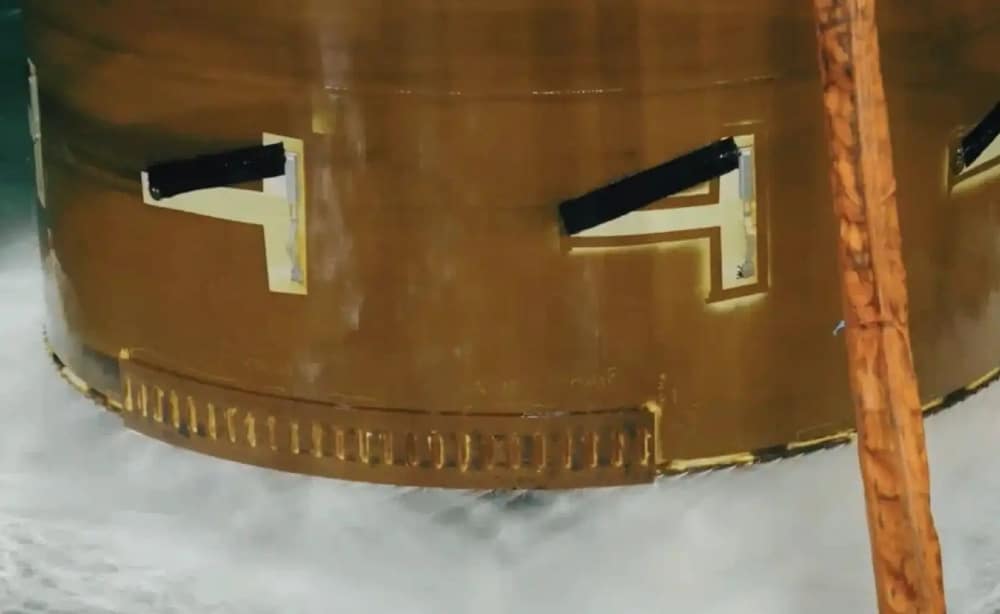
Water pressure washed sandy soil aside, reducing ground penetration resistance.
Monopiles then sink smoothly into the seabed without heavy hydraulic hammering.
Demonstrating significant ecological and economic benefits
The water jets reduced underwater noise by 34 decibels compared to standard hammering.
As a result, noise levels dropped by 99%, bringing sound to near ambient North Sea background levels.
The need for secondary bubble curtains is eliminated, making installation simpler and operational costs more affordable.
Following the pilot’s success, Ørsted created a technology platform called Osonic.
The platform will help commercialize the low-noise jetting technology
Luxcara, a German asset manager, became the first to sign a preferred supplier agreement.
Furthermore, the platform will be licensed to third-party developers for offshore wind projects across Europe.
Not only does this provide cost-effective installations, but it also helped win the German Sustainability Award.
Ultimately, this innovative method provides a key blueprint for future projects to protect vulnerable marine ecosystems.
Anke Maree is a writer with a clear and engaging editorial style. Her work focuses on making complex topics accessible, informative, and relevant for readers across different areas of interest.
