
A 1-MW solar field beside Georgia’s Interstate 75 lets utility customers subscribe without installing panels on their roofs
Almost every household desires to use renewable energy to power their homes.
However, the upfront costs of fitting solar panels on top of one’s roof keep many away from taking the leap.
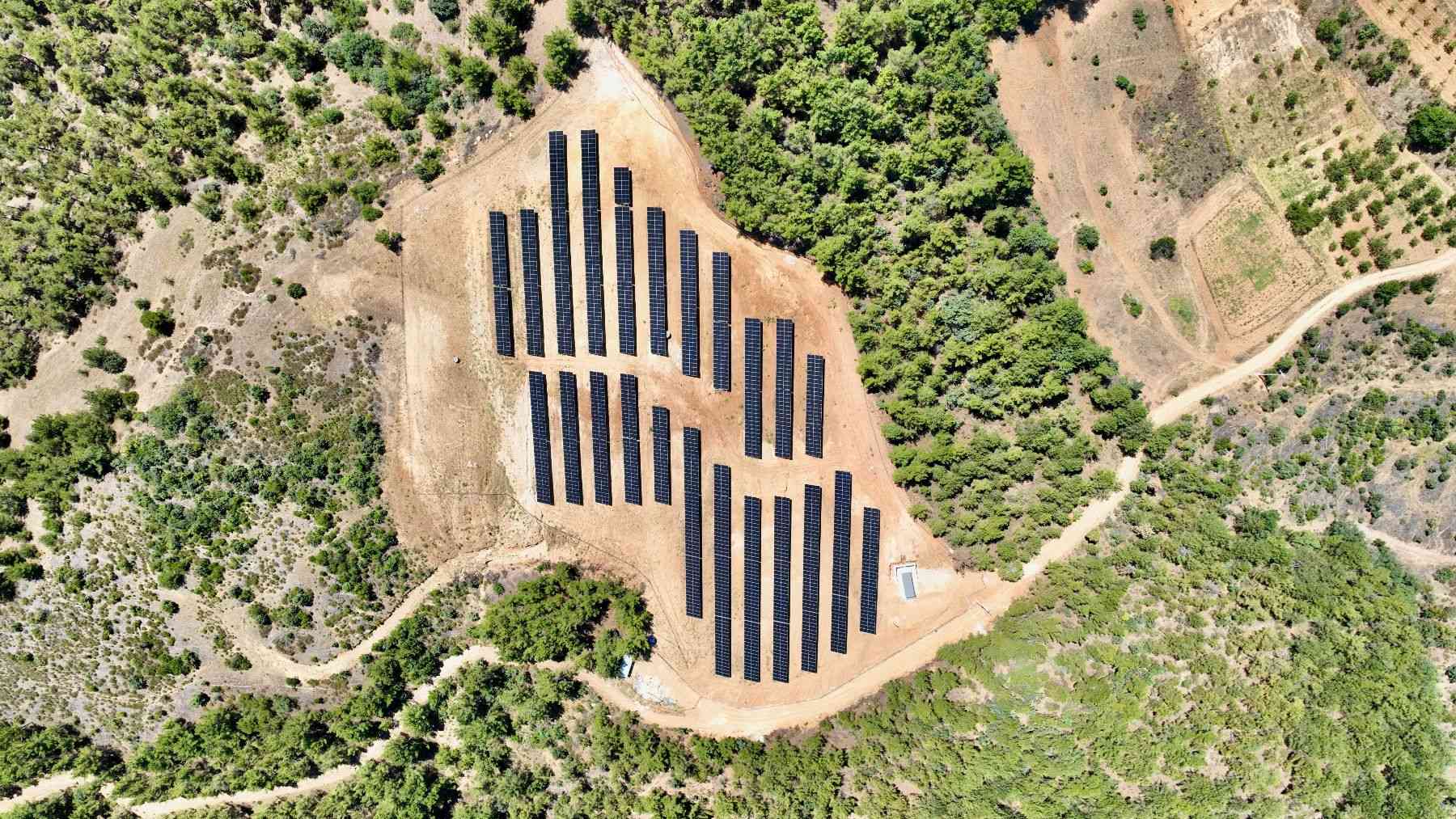
Last month, Cobb EMC launched SolarShare, a 1-megawatt facility that allows members to use solar energy without installing rooftop panels.
“This project demonstrates how innovation and collaboration can create practical energy solutions,” says Tim Jarrell, Executive VP at Cobb EMC.
Like Netflix, SolarShare operates using a subscription model, but how does it actually work?
How shared solar actually works
People staying in apartment blocks cannot easily install solar panels on their roofs.
The same goes for those renting premises or living in homes with shaded roofs.
For many years, access to solar energy was limited to those who could install rooftop panels, until recently.
The first community solar project was created in Washington around twenty years ago.
Today, there are thousands operating in the United States.
Shared solar allows households, renters, and businesses to use solar energy without having to install a rooftop panel.
Instead, a renewables developer or utility municipality will build a large centralised solar farm.
The solar farm is then connected to the power grid.
Then local residents and businesses can sign up or ‘subscribe’ to use some of the blocks of solar panels.
The power produced by the subscribed panels is measured, and then deducted from the subscriber’s monthly electric bill.
Georgia’s Interstate 75 lets utility customers subscribe to solar
Last month, Cobb EMC, a not-for-profit, member-owned electric cooperative, launched SolarShare.
The SolarShare project is situated along Interstate 75 in Georgia, specifically in Cherokee County.
The project is a collaborative initiative between Cobb EMC and Gas South.
The two companies built it in partnership with the Georgia Department of Transportation.
Essentially, it is a solar farm with over 2300 solar panels installed across roughly 5 – 7 acres of land.
With a capacity to generate 1 MW of solar energy, it can power roughly 200 homes.
“This project demonstrates how innovation and collaboration can create practical energy solutions,” says Tim Jarrell, Executive VP at Cobb EMC.
In addition, Tim notes that SolarShare will give its subscribers an affordable way to access local solar generation.
The SolarShare project is specifically designed for people who want to use solar energy but cannot afford traditional rooftop solar.
The benefits and the bill breakdown of Cobb EMC’s SolarShare
One of the main benefits of the SolarShare project is that it allows local residents access to using solar energy.
That means people who rent or live in apartments now have an option to switch to solar.
In addition, even those living in standalone homes can opt in without the upfront investment of installing rooftop panels.
Instead of investing in physical solar panels, Cobb EMC allows members to subscribe to the project by buying virtual blocks.
One block represents roughly three solar panels.
The subscription fee for each block is $19 per month.
Local residents can subscribe for up to 5 blocks, and local businesses can subscribe for up to 50 blocks.
Each block yields approximately 150 kWh of electricity credits per month.
The total amount of electricity credits generated per month is then automatically deducted from the subscriber’s monthly utility bill.
The shared future of solar energy generation
The use of clean, green energy is definitely speeding up across the globe.
While it once seemed like a far-off dream, innovation is rapidly making renewable energy more accessible to even more people.
Ultimately, shared solar services are a great example of how to expand clean energy access while keeping costs manageable for everyday consumers.
Now, with the launch of the SolarShare solar field project, all households in the Georgia area can access solar energy.
By subscribing to virtual blocks, local residents and businesses will no longer need to invest in installing solar panels.

