
California approves 300-MW desert solar project with bighorn sheep buffer after finding no significant biological impacts
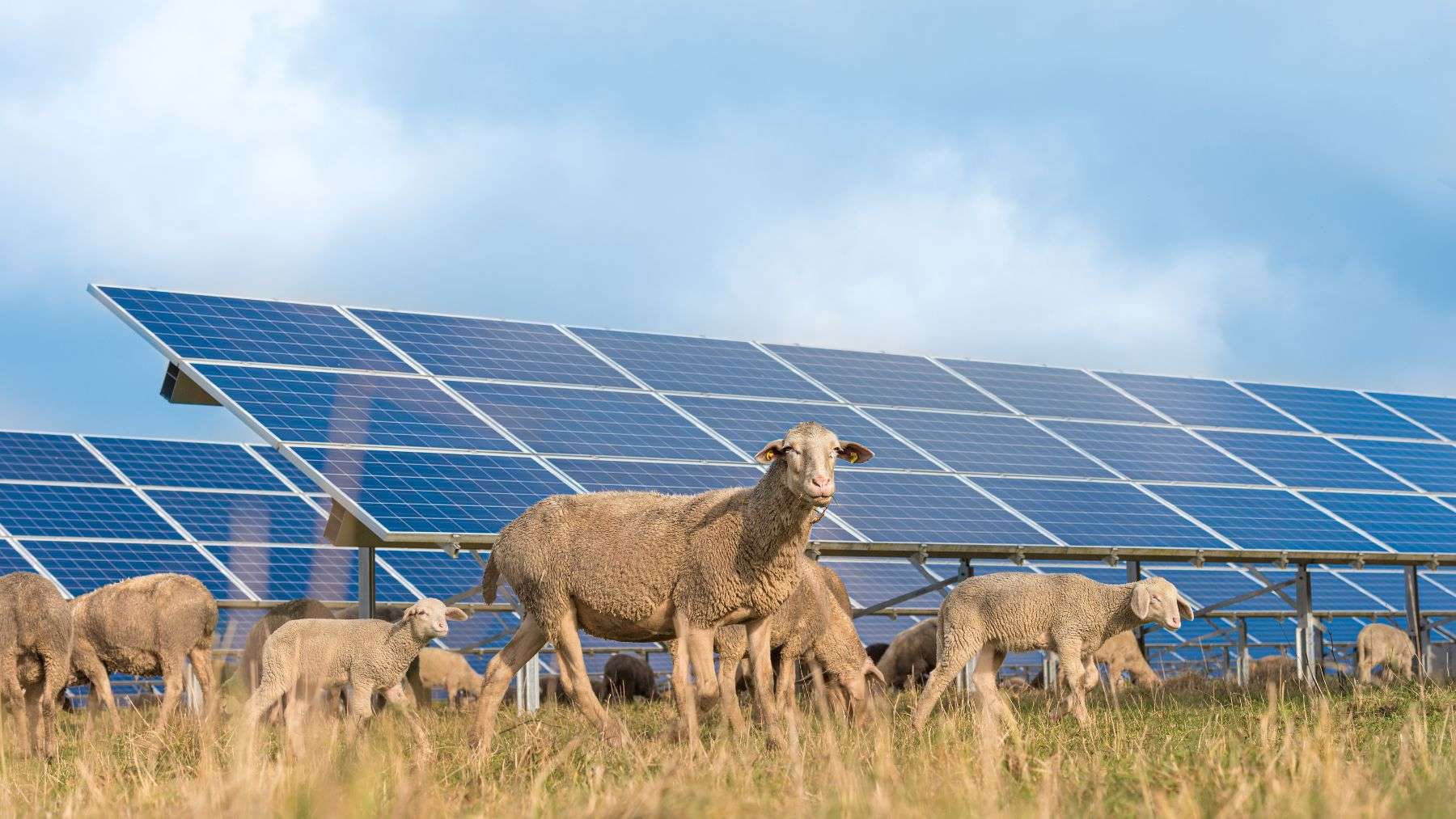
When a renewable energy project threatens to endanger a subspecies sensitive to extinction, alternative options must be considered.
Soda Mountain Solar, LLC proposed to build a solar-generating facility in the middle of the California desert. However, their initial plans were found wanting by the California Energy Commission (CEC). The original project submission would cause significant unavoidable impacts in two areas.
It would affect visual resources as well as threaten biological resources, so what were the alternatives?
The workshop was attended by the applicant (Soda Mountain Solar, LLC), CEC representatives, and environmental and public stakeholders.
The initial application to the California Energy Commission
In August 2024, Soda Mountain Solar, LLC, submitted an application to build a solar facility in the California desert.
The renewable energy developer wanted to build a solar facility with a battery storage system, using thousands of acres of public land.
Upon reviewing the application, the CEC staff found that the project posed significant threats in two areas. It threatened to degrade the visual resources, causing an eyesore in the desert plains of California. But, most importantly, it threatened to endanger the wildlife in the area, in particular the bighorn sheep species.
After receiving the staff assessment, the CEC decided to hold a public workshop to address these concerns. The workshop was attended by the applicant (Soda Mountain Solar, LLC), CEC representatives, and environmental and public stakeholders.
In the workshop meetings, the participants were able to air out their concerns, and the process yielded much-needed information as well as alternative solutions.
Bighorn Sheep Buffer and Relocated Battery Energy Storage System
Soda Mountain Solar, LL sought to build a 300-megawatt solar facility with a 300 MW storage system, spanning approximately 2,670 acres of public land.
The scope of the project promised a lot of benefits for renewable energy generation in the State of California. However, the California Energy Commission staff could not give its initial plans a stamp of approval.
Instead, they offered three alternatives that would help Soda Mountain Solar work around the negative impacts of the project.
Upon discussing the three alternatives, the second option, called Bighorn Sheep Buffer and Relocated Battery Energy Storage System, was found to be a superior alternative compared to the proposed initial plans.
While superior, it was not perfect. The alternative would still degrade visual resources. However, by incorporating a bighorn sheep buffer and relocating the battery energy storage system, it would be viable.
In fact, it would have less significant impacts on biological resources, particularly related to desert bighorn sheep.
The state of California approves 300-MW desert solar project
Earlier this year, in February, Soda Mountain Solar agreed to implement the second alternative recommended by the CEC staff.
This agreement meant that they would include a buffer area and relocate their battery energy storage units from their original plans. All these amendments would ensure that the project protected the bighorn sheep living in the area.
Based on that, the CEC approved the Soda Mountains Solar Project and authorized the applicant to start building the facility.
While the impact on the visual resources could not be mitigated, the CEC argued that the project posed a greater benefit.
The project would help the State of California achieve its Renewables Portfolio Standard and greenhouse gas emissions reduction objectives. The project would also contribute to the diversity of renewable generation and contribute to the state’s electrical grid reliability.
Finally, the project would support the economy by investing in the local community. It would create local construction jobs and increase tax and fee revenue to the County.
When the benefits cannot be denied
When the overall benefits outweighed the negative impacts on the visual resources, the CEC gave the project the go-ahead.
Ultimately, what mattered the most was protecting the bighorn sheep, a subspecies sensitive to extinction.
So, when an alternative option for their protection was implemented, the overall economic benefits could not be denied.

