
Energy Transfer greenlights 215-mile South Mississippi pipeline and posts 19% profit increase in Q3 2026
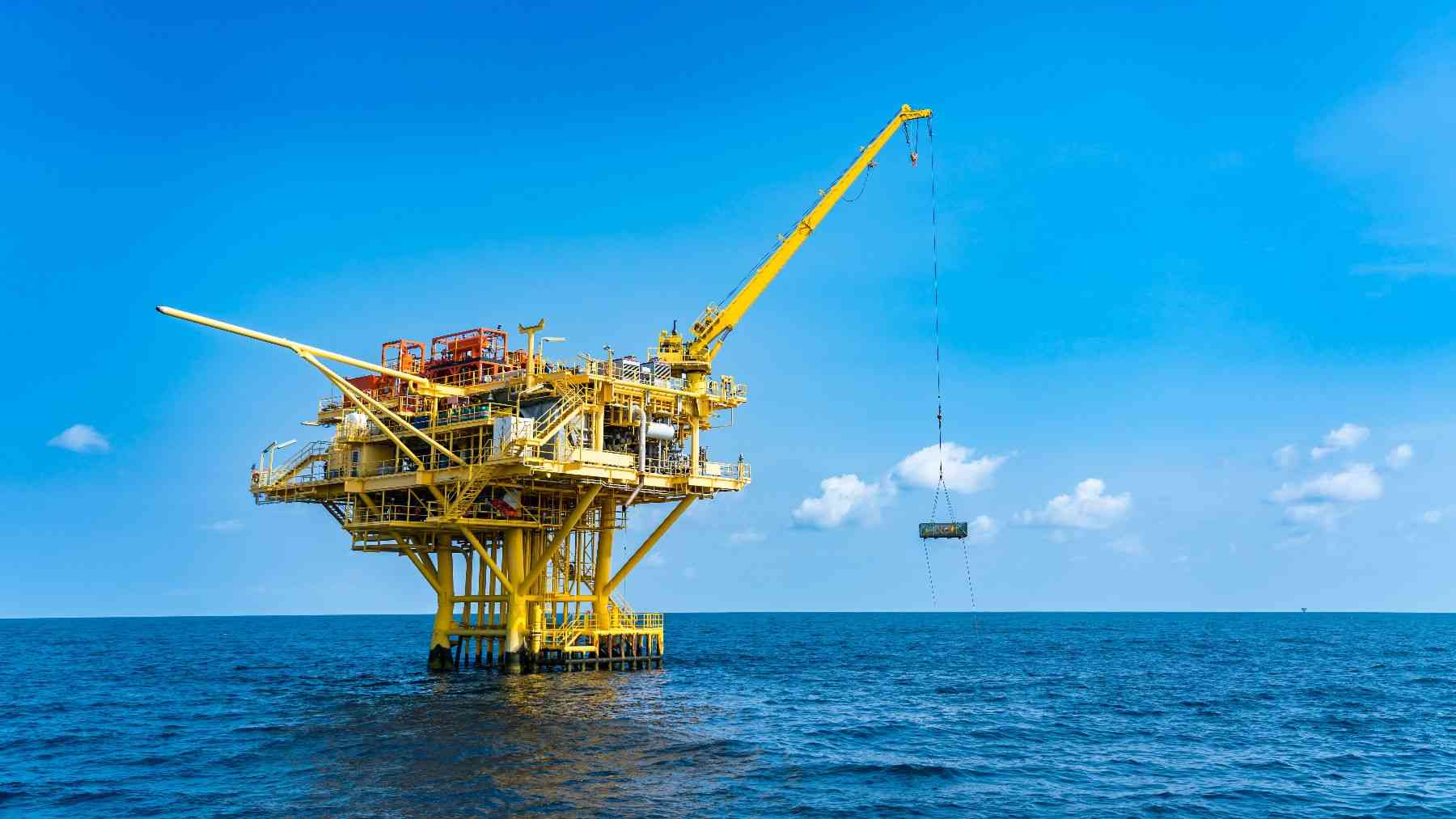
Energy Transfer LP closed out its third quarter of 2026 with two big announcements: a final investment decision on the 215-mile South Mississippi natural gas pipeline — a 1.2-bcfd project with long-term transportation agreements already in place — and net income of $1.21 billion, up 19% from the $1.02 billion it posted in the same period last year.
Both disclosures came as part of the company’s Q3 2026 earnings report, and together they point to a serious expansion phase for one of North America’s largest pipeline operators.
Energy Transfer greenlights South Mississippi pipeline
The FID came after Energy Transfer locked in enough long-term, demand-based transportation agreements to justify breaking ground. That commercial backing is what pushed the project over the line.
It came alongside record natural gas volumes, and those two data points together tell a coherent story about where Energy Transfer’s business stands right now.
The South Mississippi pipeline will stretch 215 miles and move up to 1.2 billion cubic feet per day (bcfd) through a 36-inch outside-diameter pipe. Energy Transfer plans to own and operate 51% of the project, with the remaining stake held by shippers — an arrangement that spreads financial risk while keeping the company in charge of operations.
A binding open season is currently underway, meant to bring in more customer commitments and nail down the pipeline’s final sizing and capacity. In-service is targeted for 2030.
Route details and commercial rationale
The pipeline will run from a connection near the Perryville hub in northeastern Louisiana to an interconnect with Florida Gas Transmission in southern Mississippi — putting it right in the path of growing natural gas demand across the southeastern US.
Co-CEO Mackie McCrea was direct about the strategic play. On the Q3 2026 earnings call, he said South Mississippi would “drive other upstream opportunities” for the company, pointing to a specific supporting contract: a long-term deal starting in 2029 for capacity out of the Marcellus Utica region, moving gas south via Energy Transfer’s Panhandle trunkline.
That contract lays out the broader logic clearly. The southeastern US needs more gas transportation infrastructure, and Energy Transfer is positioning itself as the connector between prolific Appalachian supply and growing Gulf Coast and Florida demand. South Mississippi is a direct bet on that trend holding through the end of the decade.
Record volumes and Q3 2026 financial results
The 19% jump in net income didn’t happen on its own. It came alongside record natural gas volumes, and those two data points together tell a coherent story about where Energy Transfer’s business stands right now.
Gathered natural gas volumes rose 6% year-on-year in Q3 2026. Intrastate volumes climbed faster — up 14% — driven largely by the Hugh Brinson pipeline’s Phase I, which came online at 1.5 bcfd on September 1, 2026. The timing meant it started contributing to the quarter’s results almost immediately.
Phase II of Hugh Brinson, adding another 700 million cubic feet per day (MMcfd) of capacity, is on track for completion in Q1 2027. Net income attributable to partners reached $1.21 billion in Q3 2026, compared with $1.02 billion in Q3 2025 — a clean year-on-year increase driven by higher volumes moving through a system that keeps getting bigger.
Additional infrastructure expansions
South Mississippi and Hugh Brinson aren’t the only projects in motion. Energy Transfer announced a cluster of additional expansions alongside its Q3 earnings, a sign the company is putting capital to work across multiple parts of its business at once.
On the pipeline side, a 250-MMcfd expansion of the Rover pipeline system was completed during Q3 2026, supporting a 15-year agreement with a Marcellus producer. The added capacity went active on November 1.
In gas processing, Energy Transfer announced plans for the Bear II cryogenic plant — a 200-MMcfd facility to be built in the Delaware Basin, right next to its existing Bear plant, with an expected in-service date of Q3 2027. The 275-MMcfd Mustang Draw II processing plant was placed into service in the Midland Basin last month, adding more processing capacity in the Permian. Downstream, the company will build its tenth fractionator at Mont Belvieu, Texas: Frac X, rated at 200,000 barrels per day, targeted for completion in the first half of 2029.
What the Q3 2026 report tells you
Put it all together and Energy Transfer‘s Q3 2026 report shows a company moving on multiple fronts at once. Net income is up 19%. Natural gas volumes hit record levels. The company greenlit a major new interstate pipeline while pushing processing and fractionation expansions from the Permian Basin to the Texas Gulf Coast.
South Mississippi is the headline — a 215-mile, 1.2-bcfd line connecting Louisiana’s Perryville hub to southern Mississippi, with a 2030 in-service target. Hugh Brinson Phase I is already running, Phase II arrives in early 2027, Rover is expanded, and Bear II and Frac X are queued up behind them.
The binding open season for South Mississippi is still underway, so final capacity and sizing aren’t locked in yet. But the FID is taken. Construction is coming.

Kelly is an experienced writer with 15 years of experience exploring the big stories that shape our world, from tech breakthroughs and space exploration to climate, energy, and the fascinating quirks of science. She has a talent for turning complex ideas into sharp, memorable insights that stay with readers long after they’ve finished reading.
