
Wisconsin’s 1.3-GW solar settlement adds 750 acres of habitat safeguards and $1 million to protect greater prairie chickens
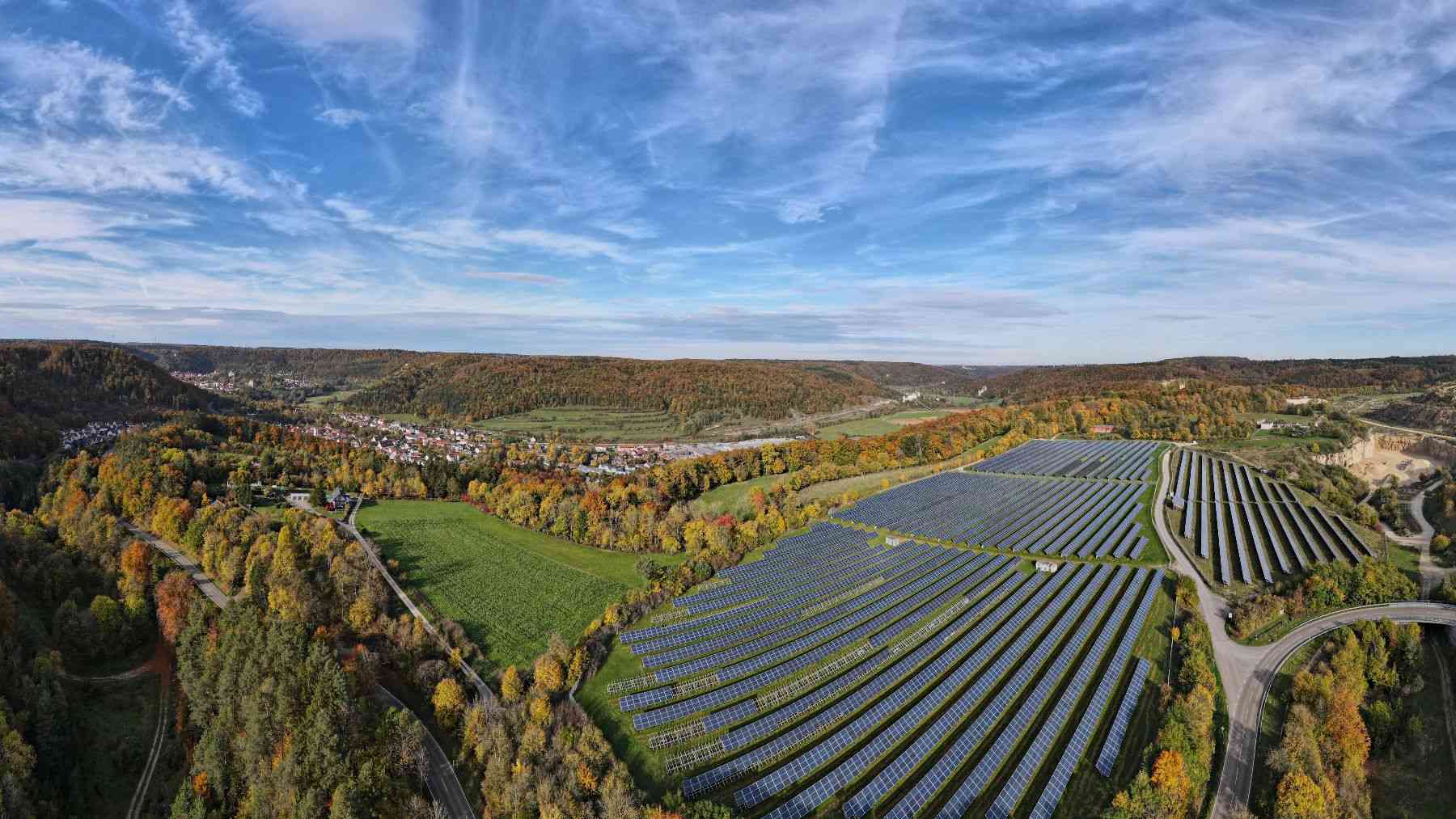
A settlement regarding a major solar and battery development in Wisconsin will prioritize local wildlife conservation.
The state is accelerating its clean energy transition by pushing unprecedented large-scale developments across the region.
These projects are also key to boosting grid stability, but expansion across rural agricultural landscapes raises concerns.
Ultimately, dedicated conservation funding and clear habitat conservation measures are key to balancing utility-scale growth with environmental stewardship.
Developers must now navigate local land use while protecting vulnerable species.
Can Wisconsin fast-track its green transition without compromising crucial native wildlife habitats?
How accelerating renewable energy deployment will satisfy dual needs
Across the United States, peak electricity demand is surging.
In Wisconsin, this surge is significantly straining the power grid.
The state’s peak demand is projected to increase from 14.2 gigawatts to 20 gigawatts by 2032.
Several factors play a role in stretching regional transmission lines to their limits.
These include industrial expansion, intense seasonal weather patterns, and growing data center loads.
Historically, fossil fuels have supported grid stability.
Today, coal still supplies almost 35% of the state’s electricity generation.
However, continued reliance on carbon-heavy sources is no longer viable under Wisconsin’s target of achieving 100% zero-emission electricity by 2050.
Since the state is phasing out legacy thermal assets, alternative supplies have become crucial.
The only reliable path to achieving this is to accelerate large-scale renewable energy deployment.
This will help avoid the risk of regional brownouts.
Utility-scale solar power has especially become a core pillar of the state’s clean energy shift.
The environmental concerns associated with accelerated solar growth
Wisconsin is retiring thermal generation, with Oak Creek’s retirement planned at the end of 2026.
Accelerating large-scale solar capacity will then be key as a replacement, delivering clean, high-volume power during daytime demand peaks.
Not only will this rapid expansion directly support Wisconsin’s green shift, but it will also stabilize the regional grid.
But this means that utilities will have to scale solar capacity toward thousands of megawatts over the coming decade.
Unfortunately, this massive expansion will require vast, contiguous acres of land.
As a result, environmental concerns across rural landscapes have increased.
Transforming agricultural fields and native grasslands threatens vulnerable wildlife habitats, local species, and soil health.
These ecological risks have increased tensions between habitat conservation and clean energy goals.
Key regulatory authorities and state conservation organizations play a crucial role in resolving this conflict.
The Wisconsin Wildlife Federation (WiWF) had to step in to negotiate binding environmental safeguards for a massive proposed solar project.
Resolving Vista Sands’ developer-wildlife disputes
Doral Renewables proposed the Vista Sands Solar Project in Portage County, Wisconsin.
The Wisconsin Public Service Commission (PSCW) was responsible for evaluating the proposal’s viability and its grid compliance.
The facility will span approximately 7,100 acres across Grant, Plover, and Buena Vista.
It will pair 1.3 gigawatts of solar capacity with 200 megawatts of battery storage.
However, the project’s massive footprint sparked ecological concerns due to its proximity to the Buena Vista State Wildlife Area.
Conservationists argued that the sprawling arrays would fragment crucial habitat and disrupt nesting grounds for the greater prairie chicken.
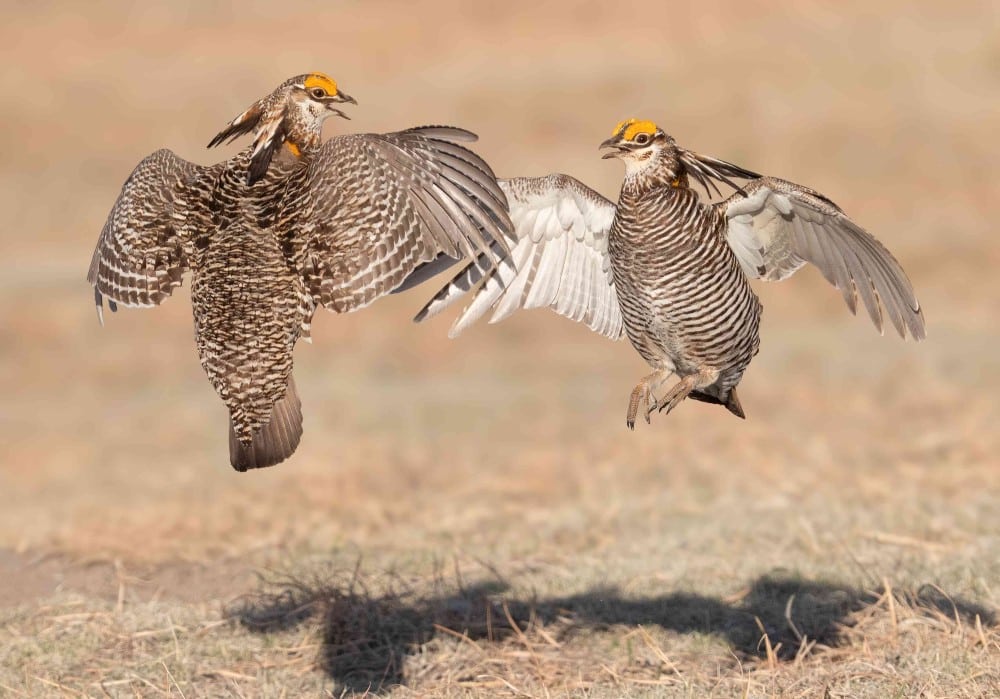
The greater prairie chicken is a state-threatened species.
The landmark settlement with WiWF
Disputes were resolved after Vista Sands agreed to establish 750 acres of dedicated habitat safeguards.
This includes 500-foot buffer areas around active mating leks.
The developer also committed $1 million toward greater prairie chicken management, wildlife research, and land restoration.
By effectively addressing key ecological risks, the agreement paved the way for final approval from the PSCW.
The project is now ready to advance toward construction to boost grid reliability.
This settlement serves as a practical blueprint for similar prospective large-scale solar projects across Wisconsin’s rural landscapes.
Ultimately, dedicated conservation funding and clear habitat conservation measures are key to balancing utility-scale growth with environmental stewardship.

Anke Maree is a writer with a clear and engaging editorial style. Her work focuses on making complex topics accessible, informative, and relevant for readers across different areas of interest.
