
A median solar panel tested 2 percent under the power on its own label for a full year of lab batches, while the cause was an upgrade that made the cells better and the paperwork worse
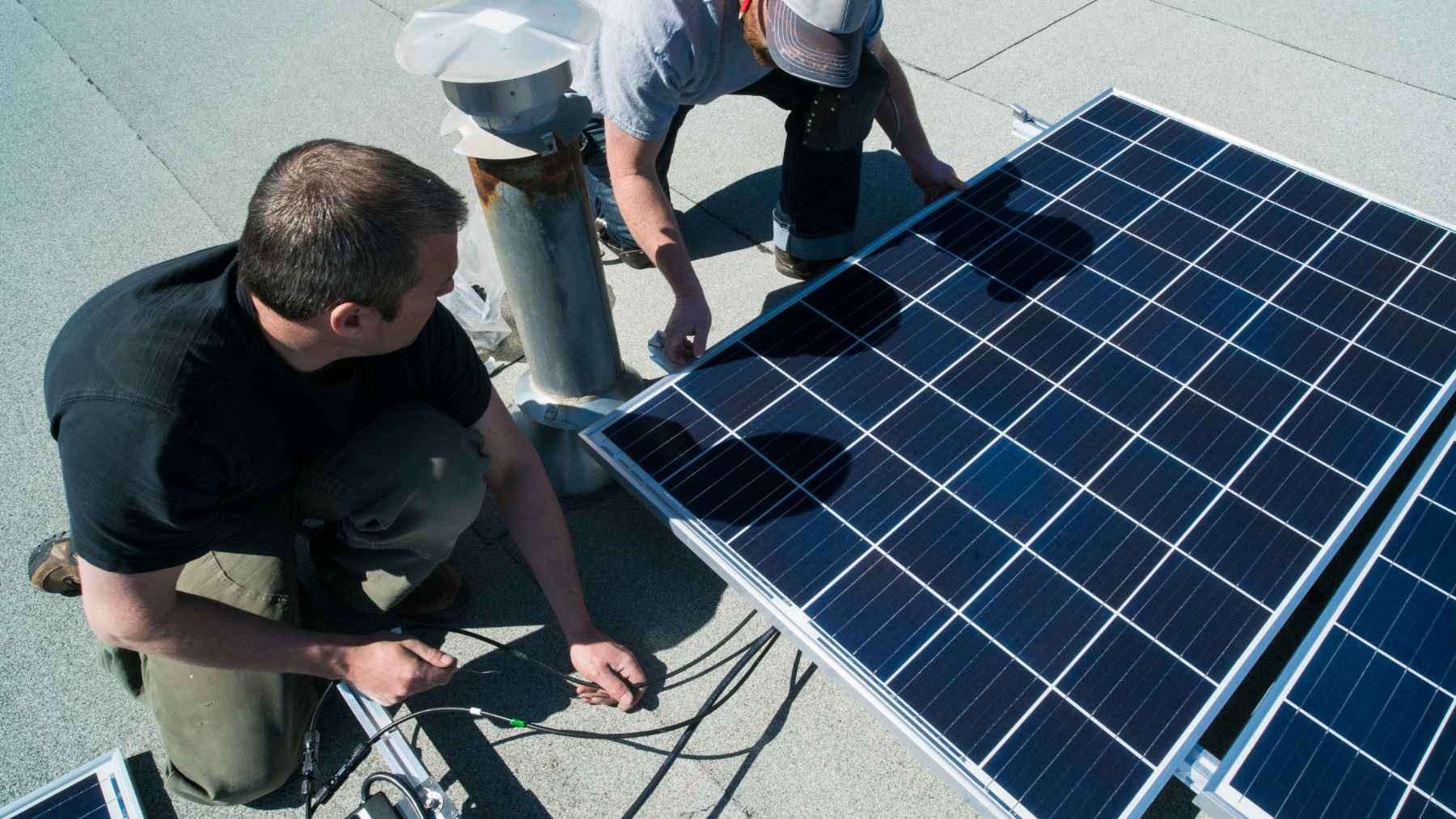
A module lies face up on a bench and a lamp fires at it once.
What comes back is the power that one panel makes under fixed conditions.
Bonded to its frame is a label with a number on it. The two do not match.
That tolerance is a published range rather than a promised floor, and the analysis says makers loosened their ratings through the price slump when margins went thin.
A test house put that comparison for 9,828 modules into a single chart on the fifth of November, 2026.
At the worst of it the median module came in 2 percent low.
Which leaves the question underneath the sticker. What is that number actually promising?
Why 1 label is not a measurement
It is not the output of the panel it is glued to.
Modules come off a line with a spread in them, so the maker sorts them into bins and the bin gets the label. The steps are 5 watts wide, which means everything from 630.0 to 634.9 watts leaves the factory wearing the same 630.
So a panel can sit at the bottom edge of its own bin and still be labeled correctly. Nothing about that is a defect.
The flash is a snapshot as well. It happens at a fixed light level and a cell temperature of 77 degrees, before the panel has spent any time in real light at all.
A nameplate describes a bin. A flash reading describes one panel.
5 watt steps and a 630 watt sticker
Look at how much room the label leaves before anyone has to change it.
A bin edge hands the maker almost 5 watts of latitude on its own, and the power tolerance printed on the datasheet sits on top of that.
That tolerance is a published range rather than a promised floor, and the analysis says makers loosened their ratings through the price slump when margins went thin.
Which is the part a buyer feels rather than reads. A plant gets sized on nameplate watts, financed on nameplate watts, and then operated on whatever the panels actually do.
Nobody has to break a rule for a fleet to land under its label.
9,828 modules and 4 years of flashes
Now the measurement, with its conditions attached to it.
The sample is 9,828 modules flash tested between January of 2022 and September of 2026, and every one of them was read before any light soaking.
The median tracked close to zero from the third quarter of 2023 into the second quarter of 2024, which is the stretch that makes the rest of the chart legible.
Then it dropped. Across the following year the median module measured about 2 percent below its nameplate, and over the last three quarters it has sat around 1 percent below.
The modules came out of qualification and batch testing programs rather than off a distributor’s shelf, which is worth holding on to before anyone reads it as a market average.
Each one is also binned in 5 watt steps first, so the shortfall is measured against the bin label.
What a better cell did to the paperwork
Here is the part that reframes the whole deficit.
The cause named in the analysis is an improvement, in the way that a record cell or a patrol robot turns into a fixed problem.
Late in 2023 a laser contact process lifted open circuit voltage and fill factor on mainstream cells, and the lab analysis says the nameplate voltage and current were not updated to follow it.
The wider test record is harsher than the power gap. About 61 percent of the material combinations run through the reliability sequences failed at least one of them, and the scorecard report calls that a record.
The limits belong next to all of it. A median is not every panel, the sample is not a random draw from the market, and a percent sits inside the band a datasheet already allows.
Part of this gap is a bookkeeping lag.
Where 1 percent lands on a 100 megawatt plant
Scale is the only reason a single percent is worth anyone’s afternoon.
On a 100 megawatt build, 1 percent is a megawatt of capacity that was paid for and never arrived, and it stacks with every other small optimism in the model.
The reliability record points the same way. Delamination failures tripled against the year before, and glass breakage doubled once frame thickness dropped under about an inch and a half.
What the chart settles is narrower and more useful than a scandal. It shows that the label and the object are two different things, and that they drift apart fastest when the cells improve quicker than the datasheet does.
A solar panel is sold as a category and installed as an object.
Somebody still has to read the flash report.

Hugo is an engineer with strong technical expertise. Multilingual from an early age, his writing combines technical clarity with a strong interest in science and energy.
