
FERC closes public comment period on Cheniere’s Corpus Christi LNG Stage 4 expansion environmental review
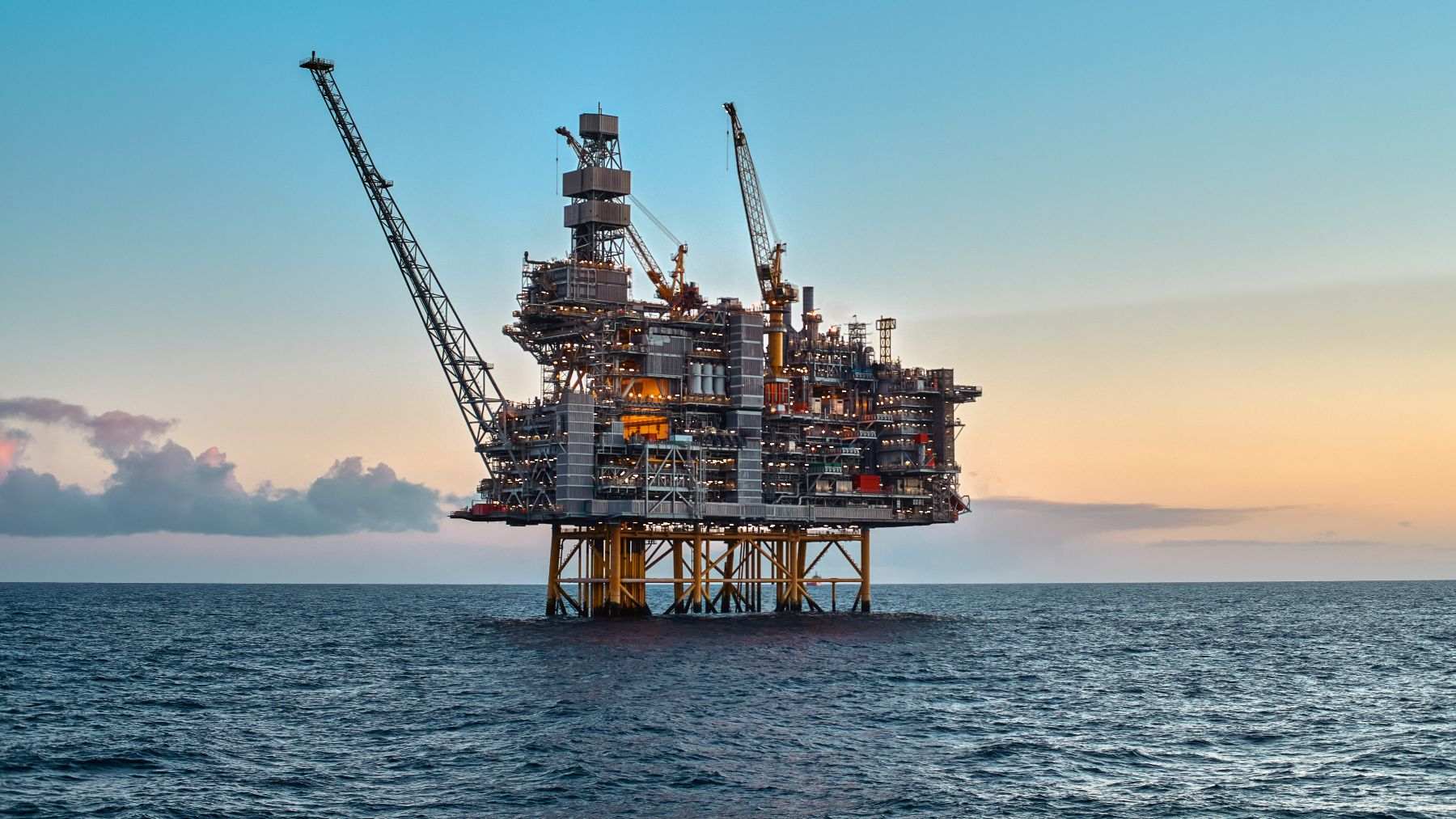
The Federal Energy Regulatory Commission closed public comments on the draft environmental impact statement for Cheniere Energy’s proposed Corpus Christi LNG Stage 4 expansion on November 9, marking a key milestone in the federal approval process for the South Texas project.
The comment period ran 45 days after FERC issued the draft statement on September 18 — just one of several regulatory steps the expansion must clear before the commission makes a final determination.
FERC advances environmental review of Stage 4 expansion
The comment period closed November 9, but that doesn’t mean the project is approved. FERC issued the draft environmental impact statement on September 18, opening a 45-day window for public input. That window’s now shut, and the review moves into its next phase.
Stage 4 would add four large liquefaction trains — Trains 4 through 7 — with a combined peak production capacity of roughly 26.5 million short tons of LNG per year.
What comes next matters. The commission still has to finish its final environmental review and issue a determination on whether the proposed facilities serve the public convenience and necessity — and until that happens, Stage 4 has no green light. A closed comment period is a milestone, not a finish line.
Scope of the proposed Stage 4 expansion
The scale of what Cheniere is proposing is hard to miss. Stage 4 would add four large liquefaction trains — Trains 4 through 7 — with a combined peak production capacity of roughly 26.5 million short tons of LNG per year.
Storage is a substantial part of the plan. The project includes two full-containment LNG storage tanks, each holding 7.77 million cubic feet, along with a new marine loading jetty, seven boil-off gas compressors, inlet air chilling equipment, and a new electrical substation.
Marine traffic implications are worth noting separately. According to FERC’s draft EIS, annual LNG carrier vessel visits at the terminal could climb from roughly 480 to approximately 870 — an increase of 390 visits per year. That’s nearly double the current traffic, and it illustrates just how much throughput Stage 4 is designed to handle.
Nearly 26 miles of new natural gas pipeline proposed
Getting more gas to the expanded terminal requires new pipeline infrastructure. Cheniere proposes approximately 25.8 miles of new 42-inch-diameter natural gas pipeline running from the existing Sinton Compressor Station to the Stage 4 facilities.
The pipeline doesn’t come alone. Cheniere also plans to build the Sinton 2 Compressor Station next to the existing facility, plus additional metering stations, valves, and related infrastructure — all within San Patricio County.
Together, these additions would strengthen the natural gas transportation capacity feeding the Corpus Christi LNG complex, supporting both the expanded liquefaction operations and rising export demand.
FERC staff findings on environmental impacts
FERC staff reviewed potential impacts across air quality, water resources, wildlife, land use, cultural resources, and surrounding communities. Their conclusion, as reflected in the draft EIS, is measured but generally favorable.
Staff found that the projects wouldn’t result in significant long-term adverse environmental effects, provided the applicants implement the proposed mitigation measures and comply with environmental protection requirements. That’s a conditional finding — not a blanket clearance. Required mitigation covers erosion and sediment controls, wetland and waterbody protection, and construction monitoring, alongside compliance with applicable federal and state regulations.
The commission will now weigh those environmental findings against public comments and other regulatory requirements before issuing a final determination. FERC doesn’t rush these decisions.
Background: Cheniere’s Corpus Christi terminal and Gulf Coast LNG growth
The Stage 4 expansion would be built at Cheniere’s existing Corpus Christi LNG terminal along the La Quinta Ship Channel in San Patricio and Nueces counties. The terminal is already an active export facility, and Stage 4 would build directly on that existing infrastructure.
The project fits into a broader pattern along the Texas Gulf Coast, where producers and exporters have been investing heavily in LNG infrastructure as global demand for natural gas keeps climbing. Long-term supply agreements with international buyers have made large-scale U.S. export projects more financially viable, and Corpus Christi sits in a strong geographic position to capitalize on that.
If approved, the project would draw in a wide range of contractors and suppliers. Engineering, procurement, and construction firms would share the work with equipment manufacturers, specialty service providers, and skilled craft labor across liquefaction equipment installation, pipeline construction, compressor station development, storage tank work, marine infrastructure, and electrical systems.
What happens next for Stage 4
At this point, the public has had its say. The draft EIS is in, the comment window is closed, and FERC is working toward a final environmental review.
The next major step is the commission’s final determination on whether the Stage 4 expansion and the associated pipeline project serve the public convenience and necessity — the standard Federal Energy Regulatory Commission applies to proposed natural gas infrastructure, and the hurdle the project has to clear to move forward.
Cheniere’s proposal remains subject to federal authorization, and no construction can begin until FERC issues its final approval. For now, Stage 4 keeps advancing through the regulatory process — one step closer, but not yet across the line.

Kelly is an experienced writer with 15 years of experience exploring the big stories that shape our world, from tech breakthroughs and space exploration to climate, energy, and the fascinating quirks of science. She has a talent for turning complex ideas into sharp, memorable insights that stay with readers long after they’ve finished reading.
