Peru’s Cheves hydropower plant uses water from a second river to maintain generation while flushing reservoir sediment
 Statkraft
One persistent problem with hydropower plants is that the reservoirs can slowly fill with sediment, degrading performance. It is a challenge for operators to remove it in terms of operations, as it means stopping generation for a while.
Sediment buildup is a familiar problem for hydropower operators, forcing difficult decisions about maintenance and generation.
But engineers at the Cheves hydropower plant in Peru have found a way to tackle the sediment issue without necessarily halting electricity production. How can a power plant keep producing electricity while depleting its reservoir?
This alternate route will allow Cheves to continue producing electricity while the Checras reservoir is emptied for flushing or dewatered for maintenance.
A reservoir hit by an unexpected challenge
The Cheves hydropower plant is located in the highland basin of the Huaura River in Lima, Peru, and uses water from two rivers to generate electricity.
The plant has been running since 2015 and is owned by Statkraft. Its water infrastructure includes the Checras River, where there is a dam and reservoir, and the water taken from the Huaura River.
The arrangement turned out to be particularly important as sediment began to accumulate in the reservoir faster than expected.
The Checras River transports sediment from eroding mountainous areas. As soon as the plant’s reservoir began to function, sediment deposition quickly reduced its usable storage capacity.
The reservoir began with 456,000 cubic meters of active storage, but sediment accumulation reduced that volume by 13% in three years, which threatens the plant’s ability to manage water flows.
Sediment accumulation is a recurring problem in a hydropower reservoir. During heavy rainfall, rivers transport particles downstream, and when the water hits the reservoir, the water settles, and particles accumulate on the reservoir floor.
Managing sediment becomes a big part of maintaining the plant’s performance long term. The trick is balancing the maintenance without it impacting production.
The second river makes continued generation possible
The Cheves strategy is basically a plan to divert the Huaura River.
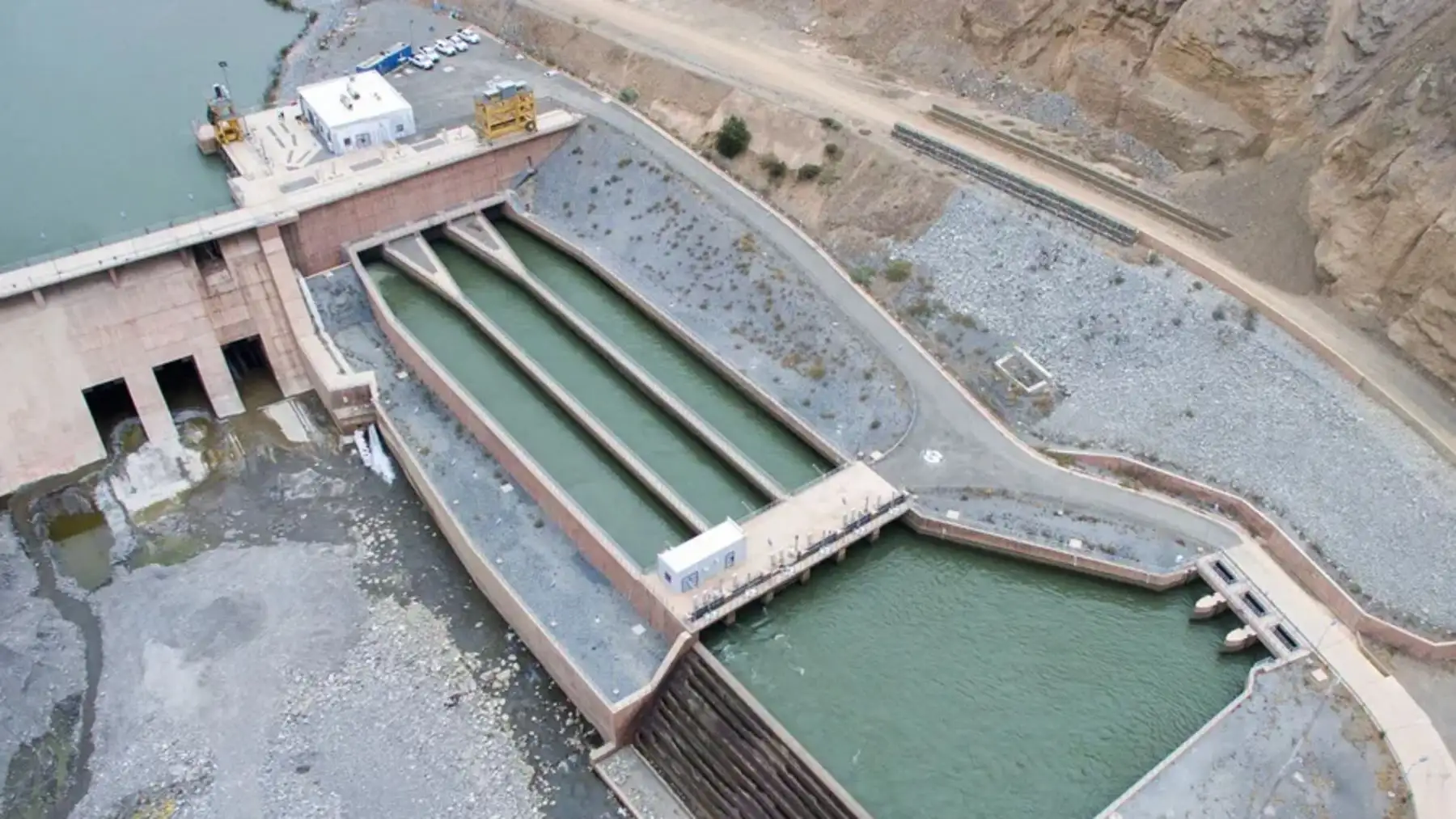
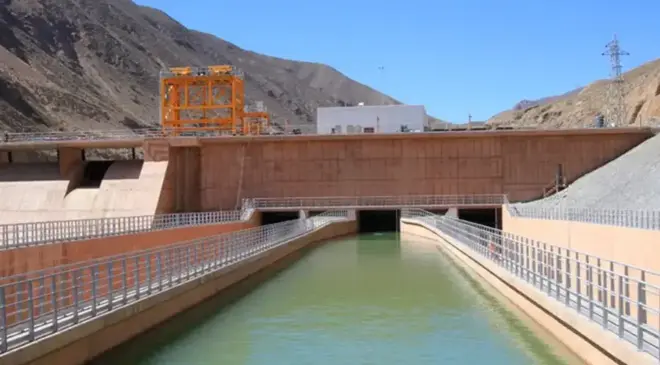
Under normal conditions, water from the Huaura River flows into the Checras reservoir. However, the plant has infrastructure so operators can divert the water directly toward the desanders and bypass the reservoir if necessary.
This alternate route will allow Cheves to continue producing electricity while the Checras reservoir is emptied for flushing or dewatered for maintenance. The Huaura diversion offers an alternative supply when conditions allow, with a capacity of up to 20 cubic meters per second.
When sediment concentrations in the river are too high, operators can switch to Huaura water while controlling sediment conditions in the reservoir. This gives operators greater flexibility when planning reservoir maintenance and can utilize alternative water sources that are available.
Having two rivers can reduce operational constraints on the plant. The sediment management strategy at the Cheves hydropower plant, as described by the International Hydropower Association, demonstrates how an alternative water source can support generation during reservoir sediment management.
The solution relies on a second river, giving the plant more options and flexibility when reservoir conditions demand intervention.
A new way to keep hydropower flowing
Sediment management does not always equate to a complete halt in generation.
With reservoir flushing, sediment sluicing, monitoring, and an alternative water supply, the plant can adjust its operations as conditions change.
The strategy additionally demonstrates the necessity of incorporating operational flexibility in the design of hydropower infrastructure, especially in rivers with heavy sediment loads.
The answer to keeping a power plant running is to find another way to keep the water flowing.
As hydropower operators face the ongoing challenge of maintaining aging infrastructure and adapting to environments, projects like Cheves can reveal how thoughtful engineering is sometimes all it takes.
The plant design offers a way to accommodate both maintenance and production. Surrounding geography can be an integral part of the solution rather than a limitation. An obstacle like a mountain forces innovation and thought leadership, which provide a powerful solution.


Bronwyn has over 20 years of experience in media, digital publishing, and storytelling as a journalist, content creator, and publishing editor. She writes about various niches and has a keen interest in science, technology, energy, and innovation.