Finland’s Olkiluoto 2 reactor loses nearly 27 days of power generation as 35 workers replace its faulty generator rotor
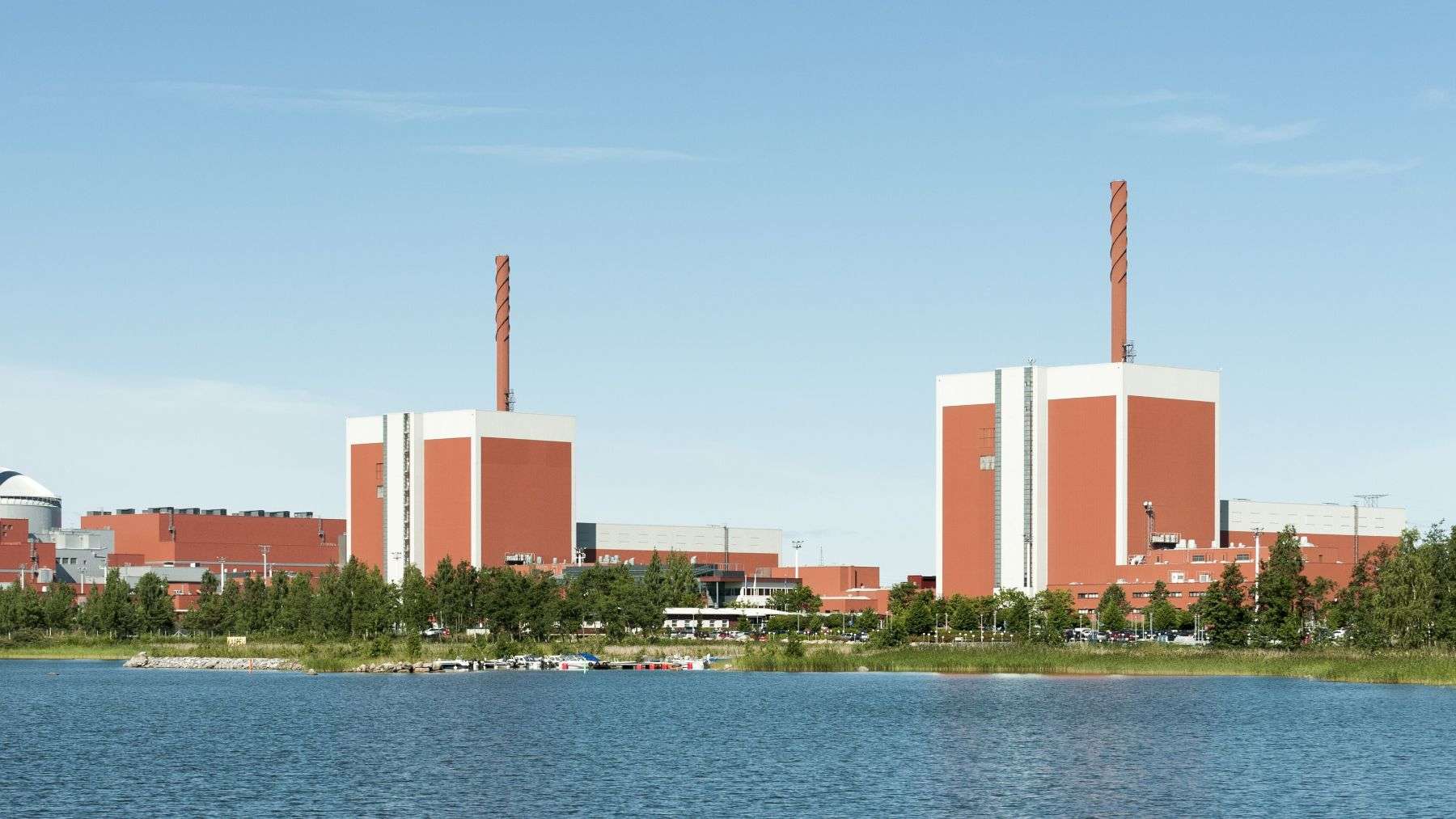 Olkiluoto Nuclear Power Plant in 2015 - Hannu Huovila / TVO - This image has been extracted from another file (https://commons.wikimedia.org/wiki/File:Olkiluoto_Nuclear_Power_Plant_2015-07-21_001_(cropped).jpg) - CC BY 3.0
A failure in the generator of a nuclear power plant can stop a whole electricity-generating unit.
That was precisely what happened at Finland’s Olkiluoto nuclear power plant, where a generator rotor fault took the Olkiluoto 2 (OL2) unit offline for almost 27 days, and the replacement proved surprisingly complex, involving 35 workers, 62 work phases, and 22 inspection stages.
The repair is particularly notable for the fact that the engineering team had to do the work during an unplanned outage, without the preparation that usually accompanies scheduled maintenance.
The outage, caused by a damaged rotor, started on 9 September 2024 when the operators of Olkiluoto 2 noticed an increase in moisture levels in the generator.
Olkiluoto 2 out of service due to generator fault
The outage, caused by a damaged rotor, started on 9 September 2024 when the operators of Olkiluoto 2 noticed an increase in moisture levels in the generator. Further investigation has revealed a fault in the generator’s water-cooled rotor and the suspension of electricity production.
The 890-megawatt unit typically provides around 8 percent of Finland’s electricity consumption. The generator is located within the turbine island, in which the mechanical energy from the steam-driven turbine is converted into electrical energy.
The fault was in the generator, not in the nuclear reactor itself, but the whole unit was taken off the grid while the necessary repairs were made.
The generator contains a rotor that spins and a stationary part called the stator. They interact to produce the electromagnetic field needed to generate electricity. This means that the rotor is a part of the process and not just another replaceable machine component.
It was not a simple matter of replacing a component to solve the problem. The defective rotor had to be removed and replaced by a spare rotor, requiring extensive dismantling, lifting, installation, and inspection work.
Meanwhile, the other two Olkiluoto units, OL1 and OL3, were operating normally.
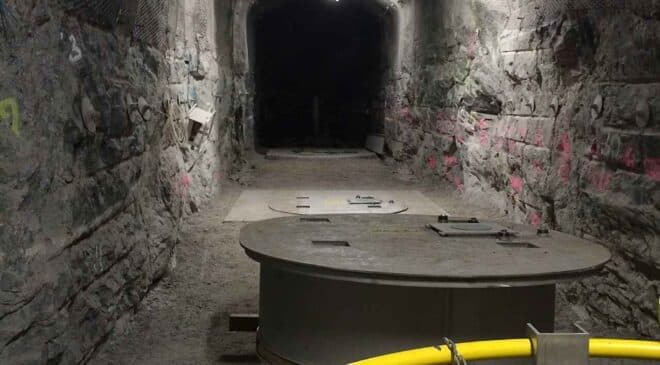
35 workers, 62 work phases and a complex engineering operation
The replacement of a generator rotor is a major engineering task, even in the case of planned maintenance. The operation was made more difficult by the fact that it was carried out during an unforeseen closure.
The project comprised tasks, which were further divided into individual work phases. As part of the process, engineers and technicians also completed separate inspection stages.
The rotor must be carefully removed, the surrounding equipment prepared, and the replacement installed and checked before the generator can be put back into operation.
The operation required the expertise of specialist personnel, equipment and inspection procedures whilst the nuclear plant was off production.
Teollisuuden Voima filmed the entire process in a short video, shortening the large engineering operation into a one-minute overview. This footage shows the scale of the industrial work that is normally hidden behind the walls of a nuclear power station.
The reactor doesn’t return to full capacity
Olkiluoto 2 was reconnected to Finland’s national electricity grid, with the production interruption lasting 26 days and 20 hours, but the full amount of electricity wasn’t restored.
The root cause of the original failure had not yet been fully determined, but a replacement rotor was installed as a precaution.
The restriction was expected to remain in place for several months as investigations continued.
There were considerable differences between the two output levels. Olkiluoto 2 was operating at 725 megawatts. It meant the return to electricity production was not an immediate full-capacity restart but a gradual process.
The outage highlights how one single element of a power plant can stop electricity production at a major nuclear facility for weeks. Even though the replacement rotor was installed, it wasn’t restored to full capacity.
This showed why reliable electricity generation depends on a plethora of variables, not just the reactor itself. Finland’s experience raised the question: how are other countries handling faults and developing new ways to keep their electricity supplies reliable and operating at full capacity?


Bronwyn has over 20 years of experience in media, digital publishing, and storytelling as a journalist, content creator, and publishing editor. She writes about various niches and has a keen interest in science, technology, energy, and innovation.