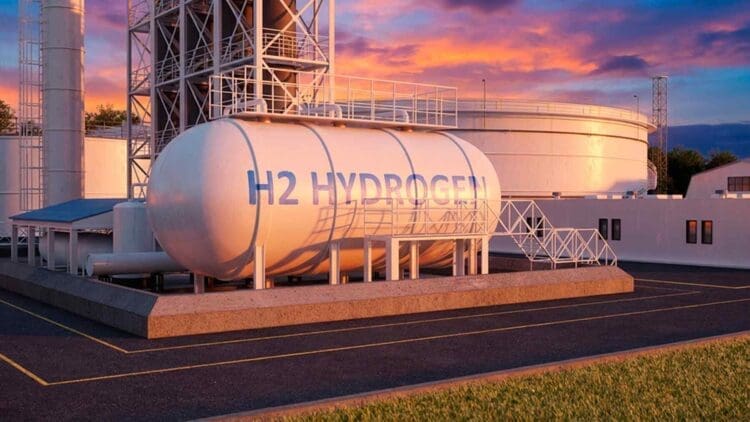

Hydrogen companies are finding new ways to generate and store hydrogen, which is only made possible by the advanced technological innovation that was not available many years ago. In the past, developers could not fulfill their ambitions, but they are now able to execute because of the abundance of resources. In the latest reports, the ACES Delta hydrogen storage hub is said to be approaching the final construction stage, meaning the general public is extremely close to enjoying the benefits.
Years in the making: The imminent arrival of a monumental hydrogen facility
The general public usually does not pay much attention to the obstacles and the timespan it takes for a certain project to materialize. Although technology makes the execution of projects much easier, there is still a lot of political involvement when it comes to energy developments. For instance, the suspension of the United States’ wind farms is an example of that.
As the Advanced Clean Energy Storage (ACES) Delta project in Utah is approaching the final stage of construction, the state can be thrilled to have achieved a major milestone in the global transition toward clean hydrogen energy. This is not only a massive moment for Utah but for the United States as a whole, as it gets to enhance its total capacity.



Storage facilities are becoming more and more important in the contemporary landscape because they allow regions to still have reliable electricity even when it is not a peak generation period. The upcoming Utah hub is designed to produce and store large quantities of green hydrogen, and it will be central to stabilizing renewable energy supplies in the western United States.
A detailed assessment of how the Delta hydrogen hub was constructed
According to the claims made by the developers, the project is one of the largest hydrogen storage initiatives in the world. This has to be taken with a grain of salt, considering it is solely coming from the developers themselves. Nonetheless, there can be no doubt as to how massive it is.
The ACES Delta project is located in Delta, Utah, and it is developed through a partnership between Chevron New Energies and Mitsubishi Power Americas. It is interesting to see companies that are primarily known for vehicle manufacturing willing to invest time, money, and resources toward generating clean energy.
Just like most hydrogen facilities in the modern era, the hub will convert renewable electricity into green hydrogen through electrolysis. This allows additional renewable energy to be stored and used later when demand increases.
There is great unpredictability surrounding the generation of clean energy, meaning storage hubs are a crucial part of the sustenance of power.
The advanced technology incorporated into the Delta hydrogen hub
One of the most notable aspects of the project is the sophisticated technology that has been integrated. At the center of it is a 220-MW electrolysis system possessing the ability to produce up to 100 tons of green hydrogen per day. Hydrogen is produced by splitting water into hydrogen and oxygen using electricity from renewable sources such as solar and wind power.
After the hydrogen is produced, it is stored underground in huge salt caverns located beneath the site. The caverns are formed through solution mining and are designed to hold hydrogen on a large scale safely. Hydrogen must be stored instead of electricity directly because this allows extensive energy storage that can last for months.
A major facility in Utah approaches the final construction stage
According to the latest reports, all forty electrolyzers supplied by the Norwegian technology company HydrogenPro have been installed and successfully tested at full operating capacity. This serves as critical confirmation that the plant is ready to generate hydrogen at an industrial scale.
All credit goes to the United States once again for reaching agreements with external companies that are capable of delivering groundbreaking facilities. Utah is the latest state set to receive a surplus amount of renewable energy.