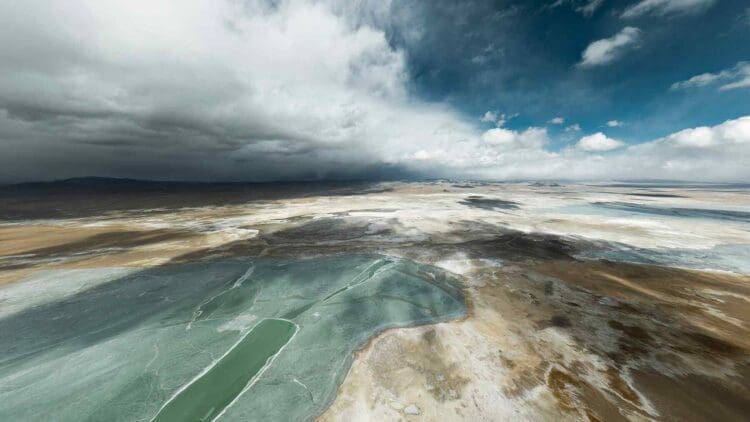

When it comes to climate change, nothing and no one remains untouched. As the global temperatures continue to rise at a higher rate, nations are becoming increasingly concerned about the impacts. Our most valuable resource on the planet is becoming scarcer by the day. Now, even the Asian Water Tower is being affected, hinting at a global chain reaction. How much longer will we be able to take the heat?
Climate change: From taking the heat to feeling it
The impact of climate change has always been inevitable, but these days it seems that the impact is becoming more severe, more quickly. One of the key approaches to address climate change is to try to keep global warming to a minimum. One of the key solutions to the problem is to decrease the global reliance on burning fossil fuels that emit greenhouse gases, which trap heat in the atmosphere.
However, despite our best efforts to transition to cleaner energy solutions, Earth’s temperatures continue to rise, with the last decade being the hottest record yet. Now, we are feeling the heat even more, as our most valuable resource on the planet, namely fresh water, is becoming scarcer by the day. This is particularly evident with the latest studies of the Asian Water Tower, indicating a potential crisis.



The Asian Water Tower: Not as abundant as we thought
Water is essential to sustaining life, with many living organisms able to survive for a mere few days without it. While approximately 71% of Earth consists of water, only a maximum of 3% of this water is fresh, and the majority of this freshwater is frozen in glaciers and ice caps or found underground. Now, as the global temperatures increase, we must face the fact that glaciers are melting, showing that climate change is impacting the survival of nations in more ways than one.
China is no stranger to the effects of melting glaciers and ice caps, as a study published in Nature Reviews Earth & Environment indicates how quickly the Asian Water Tower, which consists of the Tibetan Plateau and the Tian Shan and Himalayan mountain ranges, is melting away. This has led to an imbalance in the water supply and demand between the northern and southern parts.
The Tibetan Plateau is responsible for supplying 10 major rivers, thus providing an essential water supply to several communities. Now, as water sources are declining due to rapid glacier melt, a global chain reaction is predicted.
The potential global chain reaction
Southern parts of the region are highly dependent on the Asian Water Tower’s water supply for irrigation and agricultural uses. According to the co-author of the study, Professor Walter Immerzeel from Utrecht University, the southern Indus basin has the highest water demand for these very reasons, with irrigation accounting for over 90%.
However, despite the greater demand in the south, the northern endorheric basins will enjoy a higher supply of water, with increased rainfall due to changed weather patterns adding fuel to the fire. This could lead to significant geopolitical tensions over water rights and environmental risks, especially as China is investing in expanding hydropower capacity.
This is why Professor of Peking University and CAS, and also co-author of the study, Piao Shilong, believes that:
“Actionable policies for sustainable water resource management are greatly needed in this region.”
The effects of global warming and climate change are undeniable, and we are racing against time for our survival. The communities surrounding the Asian Water Tower face the harsh reality of imbalanced water supplies and demands. This is why we must start to realise how extremely vital it is to work together to prevent a negative global chain reaction, especially now that the UN has issued a “global bankruptcy” warning.